
As the debate over digital distractions in the classroom intensifies, a growing number of U.S. States are turning toward legislative solutions to address the presence of mobile devices in schools. However, recent data suggests that while these efforts often dominate the political conversation, they may fall short as effective education policy. The push for school phone bans, while popular among many parents and administrators, faces a significant hurdle: a lack of empirical evidence demonstrating that blanket restrictions actually improve student performance.
For educators and technologists alike, the question of how to manage student technology use is far from settled. A 2024 working paper published by the National Bureau of Economic Research (NBER) analyzed the impact of various school phone policies, finding that while strict bans—such as the use of magnetic locking pouches—effectively reduced mobile device usage, they did not lead to a statistically significant increase in standardized test scores. In some instances, the sudden implementation of such policies was even associated with an initial increase in disciplinary actions, including suspensions.
This disconnect between political action and academic outcomes highlights a broader issue in modern education reform: the tendency to prioritize “magic bullet” solutions that poll well over the more complex, resource-heavy work of classroom management and digital literacy training. As a technology editor who has spent years analyzing the intersection of software and society, I find that the current legislative trend often ignores the nuance required to successfully integrate—or limit—technology in a learning environment.
The Data Gap: Why Blanket Bans Struggle
The allure of a “phone-free school” is effortless to understand. Proponents argue that by removing the primary source of social media-driven distraction, students will naturally become more focused, engaged, and productive. However, the NBER findings suggest that the reality is far more complicated. When schools implement a blanket ban, they are often treating a symptom rather than the underlying cause of student disengagement.
Research into the effectiveness of these policies often points to a “weak and inconclusive” trend. Even when researchers have looked at international models, such as those implemented in parts of Australia, the results have rarely shown a clear, sustained improvement in academic outcomes linked directly to the removal of phones. This suggests that the impact of technology in the classroom is highly context-dependent, varying significantly based on school culture, teacher training, and the socioeconomic background of the student body.
the focus on hardware—like pouches or lockers—often distracts from the pedagogical shift required to manage a modern classroom. If a teacher’s lesson plan relies on passive listening, students will find ways to disengage regardless of whether they have a smartphone in their pocket. If a lesson is highly interactive and cognitively demanding, the temptation to check social media is naturally mitigated. By focusing on the device, we risk neglecting the need for better-equipped teachers and more engaging curricula.
Policy vs. Reality: The California Example
The legislative landscape in the United States reflects this tension. California, for instance, recently moved to address the issue with Senate Bill 1283, which sought to require school districts to develop policies limiting or prohibiting smartphone use. The process has been characterized by a shifting timeline and evolving requirements, leaving many local districts in a state of administrative flux.
For many districts, this state-level intervention has created a “back to the drawing board” scenario. Schools that had already invested time and resources into developing their own nuanced, site-specific policies—such as using classroom phone-deposit stations or “phone hotels”—have found themselves forced to re-evaluate their systems to ensure compliance with new state mandates. This creates a significant administrative burden that diverts time and money away from core educational priorities.
The frustration is palpable among local school boards and administrators who feel that “one-size-fits-all” mandates rarely account for the unique culture of individual campuses. A high school with a robust, student-led culture of responsible technology use may require a vastly different policy than a middle school struggling with acute instances of cyberbullying. By removing local discretion, policymakers may inadvertently weaken the very systems that were already proving effective.
Moving Toward a Nuanced Framework
If blanket bans are not the silver bullet they are marketed to be, what is the alternative? A more sustainable approach requires recognizing that technology is an integral part of the modern student experience, not a foreign object to be purged. Educators and parents should prioritize three key pillars:
- Empowering Teachers: Instead of enforcing rigid, top-down rules, provide teachers with the autonomy to manage their classrooms in ways that best suit their subject matter and student personalities.
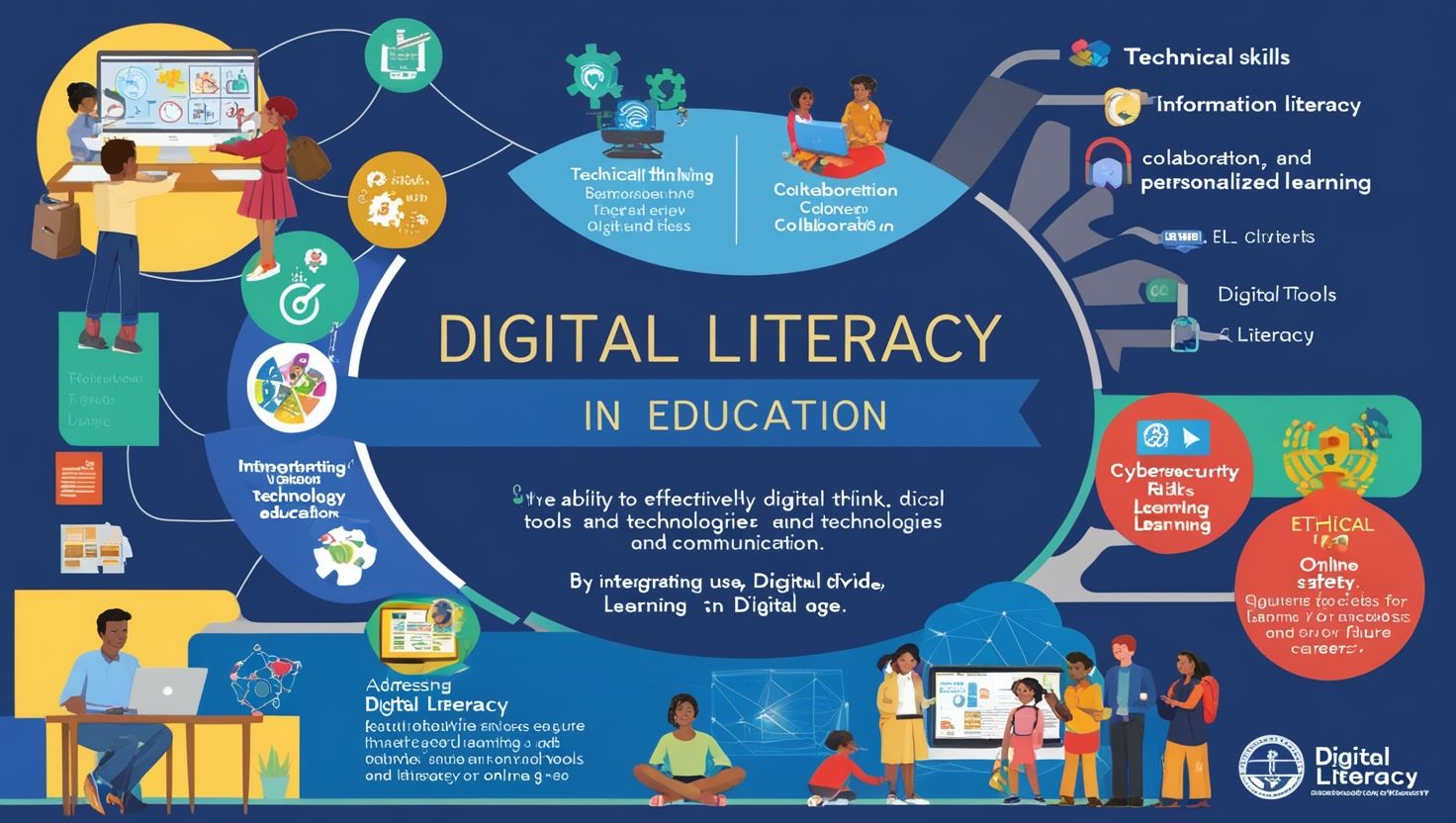
- Digital Literacy Education: Shift the focus from “banning” to “building.” Students need explicit instruction on the tradeoffs of technology, the psychology of addictive algorithms, and how to use devices as tools for productivity rather than distraction.
- Context-Specific Policies: Allow school districts to develop policies in consultation with parents, teachers, and students. What works in a small, rural district may not work in a large, urban environment.
The goal should not be to make it impossible for a student to access their phone, but to make it unnecessary for them to want to use it during instructional time. When a student understands the value of their own attention, the need for locked pouches and legislative oversight begins to diminish.
What Comes Next for School Phone Policies
As of late 2024, the conversation surrounding school phone bans is shifting toward implementation, and assessment. Districts across the country are currently in the process of finalizing their policies for the upcoming academic year. For parents and community members, the next step is to participate in local school board meetings, where these policies are being refined to meet state and local guidelines.
The U.S. Department of Education has periodically issued guidance regarding the use of technology in schools, but the primary authority remains with state legislatures and local boards. I encourage readers to check their respective state department of education portals for the most current mandates and to stay engaged with local district communications.
Do you believe your local district’s approach to technology is effective, or does it feel like a bureaucratic hurdle? Join the conversation in the comments below and share your experiences with how your school is balancing the digital age with the classroom environment.
Keep reading