The Enduring Mystery of the Turtle Shell: A 300-Million-Year Journey
For nearly 300 million years, turtles have graced our planet, surviving mass extinctions that claimed countless other species. Their most defining feature – the shell - remains a captivating subject of scientific inquiry. But how did this remarkable structure evolve, and what drove its progress? Let’s delve into the fascinating story of the turtle shell, exploring its origins and the evolutionary pressures that shaped it.
The Earliest Shells: A Look Back in Time
The earliest definitive evidence of a fully formed turtle shell dates back 210 million years. This revelation came in the form of a fossilized creature named Proganochelys. Remarkably, its thick upper ribs had fused together with dermal bone, creating a closed carapace.
A lower plastron was also present, attached to the carapace. Interestingly, the opening for the turtle’s head wasn’t a neck that could retract, but rather a space formed by shoulder bones connecting the top and bottom of the shell.
Unraveling the Evolutionary Puzzle
Most evidence points to a group of reptiles called Pantestudines as the ancestors of modern turtles. However, the story isn’t quiet so simple. Similar features, like broadened and overlapping ribs, also appeared in other animals millions of years ago. Some of these creatures are believed to be more closely related to mammals.
This makes tracing the exact evolutionary path of the turtle shell a complex and ongoing area of research. New discoveries are constantly refining our understanding.
From Adaptation to Defense: The Shell’s Changing Role
The shells of early turtle ancestors likely developed in response to a variety of evolutionary pressures. Initially, these pressures may not have been directly related to defense. However, as the shell became more fully formed, its primary function shifted to self-preservation.
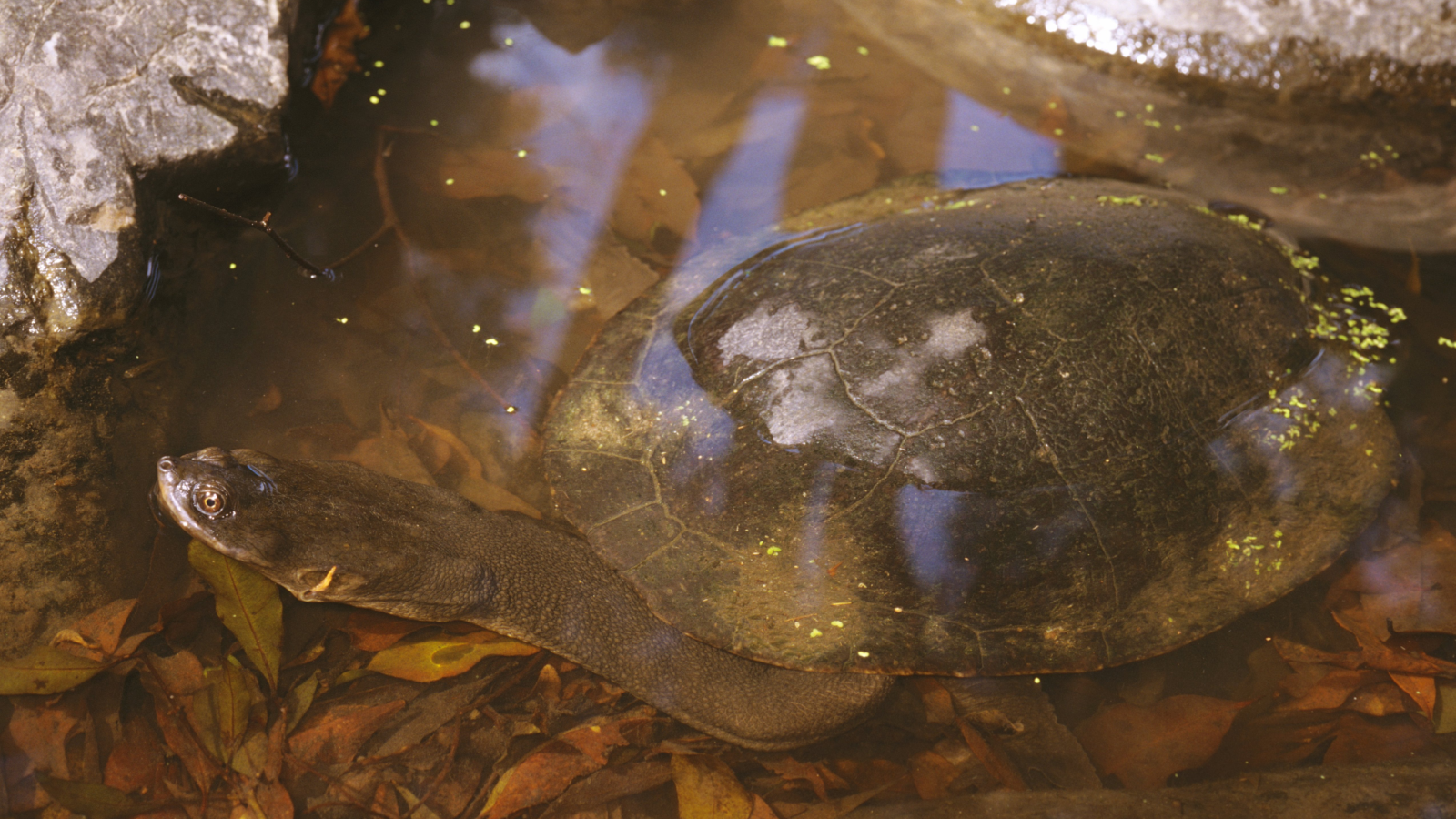
today, the turtle’s shell is a powerful shield, offering protection against predators and environmental hazards. It’s a testament to the power of natural selection.
A Key to Survival: Why Turtles Endure
the turtle’s resilient shell has undoubtedly played a crucial role in its longevity. It’s a major reason why these creatures have weathered three of Earth’s five mass extinction events.
Consider the fossil record: while dinosaurs and many other species vanished, turtles continued to thrive. They literally “marched right across that line” of extinction, demonstrating the effectiveness of their protective armor.
Understanding the Significance
The evolution of the turtle shell is more than just a biological curiosity. It provides valuable insights into the broader processes of evolution, adaptation, and survival. It highlights how a single feature can dramatically influence a species’ trajectory over millions of years.
As research continues, we can expect to uncover even more details about this enduring mystery, further appreciating the remarkable story of the turtle and its iconic shell.
Want to test your knowledge of evolution?
take our evolution quiz and see if you can naturally select the correct answers!
Related reading