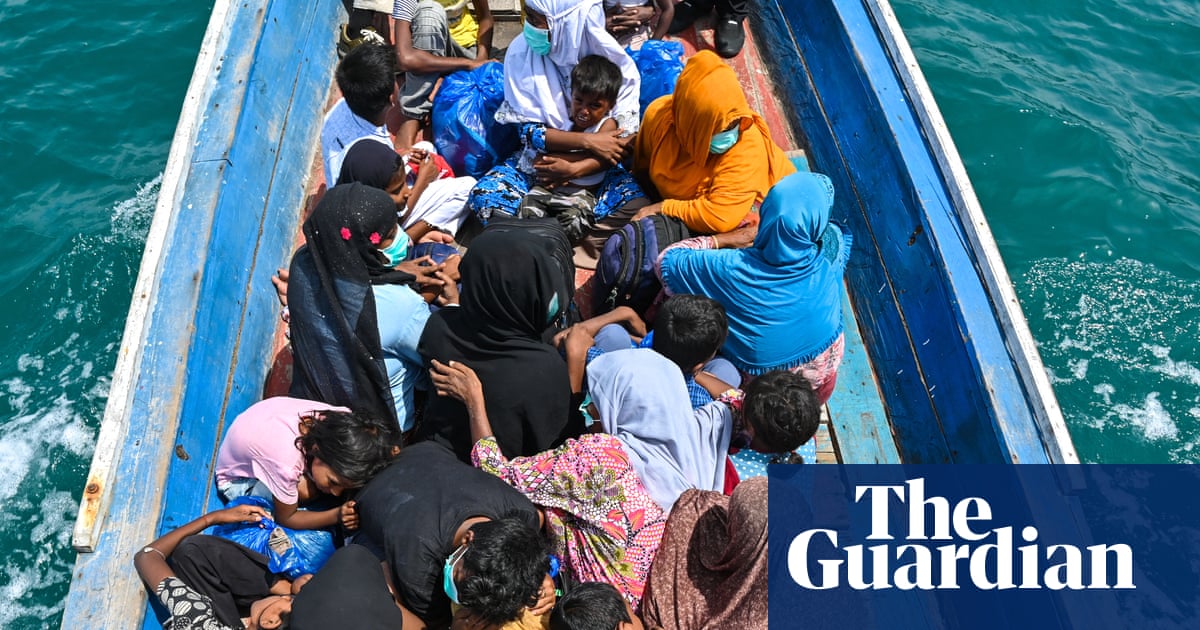
Desperate Journeys: The Rising Toll of Rohingya Refugees at Sea
The Andaman Sea and the waters off the Malaysian coast have once again become a tragic testament to the ongoing Rohingya refugee crisis. Recent shipwrecks have claimed dozens of lives, leaving families shattered and highlighting the urgent need for international intervention. This situation demands a closer look at the factors driving these perilous voyages and the devastating consequences for those seeking safety.
A Growing Crisis, A Familiar Pattern
For years, Rohingya Muslims have fled persecution and violence in Myanmar, seeking refuge primarily in Bangladesh. However, overcrowded camps and limited opportunities are pushing manny to risk everything on dangerous sea journeys, hoping to reach Malaysia and other Southeast Asian nations. These journeys are facilitated by human traffickers who exploit the desperation of those fleeing for their lives.
recent reports indicate a boat capsized in late December, resulting in a significant loss of life. Thai and Malaysian authorities have recovered 36 bodies, while 26 individuals were rescued. Sadly, eight peopel remain missing, presumed lost at sea.
This incident isn’t isolated. It echoes a pattern of perilous voyages and preventable deaths. You might recall similar tragedies in the past, underscoring the systemic failures to address the root causes of this crisis and provide safe pathways for refugees.
The Human Cost: Stories of Loss and Despair
The statistics are heartbreaking, but behind each number lies a story of unimaginable loss. Consider the case of Furkahan, a 13-year-old boy who disappeared from a Bangladeshi camp in late October. His family has been left in agonizing uncertainty, with no news of his whereabouts.
Then there’s the story of Robina Bibi, a 24-year-old mother, and her five-year-old son. They perished in the recent shipwreck, leaving her husband and family devastated. They were lured by promises of safety in Malaysia, but those promises proved tragically false.
Her father, Abul Baser, is inconsolable. “I have lost my daughter and that means I lost my world,” he shared,his voice heavy with grief.”The world has become a dark place for me.” He poignantly added that his daughter feared the water, making her journey even more heartbreaking.
A Disturbing Response: Criminalizing Survivors
Adding insult to injury, Malaysia’s decision to charge 11 survivors of the shipwreck for illegal entry has drawn condemnation from human rights organizations.This action is not onyl inhumane but also counterproductive. It discourages survivors from coming forward and hinders efforts to combat human trafficking.
Instead of punishing those who have already endured unimaginable trauma, authorities should focus on:
* Rescuing and providing immediate aid to survivors.
* Investigating and prosecuting the human traffickers responsible for these dangerous voyages.
* addressing the root causes of the Rohingya refugee crisis in Myanmar.
The urgent Need for international Action
The situation demands a coordinated international response. The international community must pressure Myanmar to address the systemic discrimination and violence that are driving Rohingya people to flee their homes.
Furthermore, regional cooperation is crucial to ensure safe passage and protection for refugees. this includes:
* Establishing clear search and rescue protocols.
* Providing humanitarian assistance to those in need.
* Offering resettlement opportunities for vulnerable refugees.
Without decisive action, Abul Baser’s fears will become a reality.”If the world doesn’t take any step nowadays, the whole Rohingya generation will be lost in the sea and in the jungle,” he warns.
You can definitely help by staying informed, advocating for policy changes, and supporting organizations working to assist Rohingya refugees. The time for complacency is over. The lives of countless individuals depend on our collective action.