
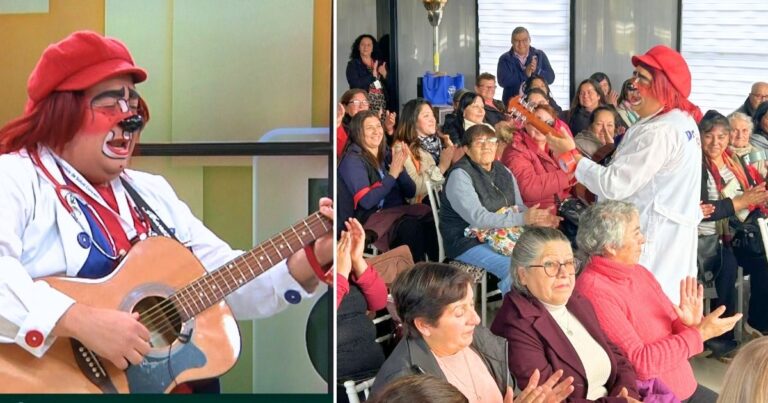
The Healing Power of Laughter: Chile’s “Doctor Clown” Program Brings Joy to Hospital Patients
In a unique approach to healthcare, Chile’s Servicio de Salud Concepción (Concepción Health Service) has pioneered a program known as “Doctor Clown,” bringing laughter and music to patients within the Guillermo Grant Benavente Hospital. This initiative, which blends traditional circus clowning with musical performance, aims to humanize the healthcare experience and provide emotional support to those facing illness. The program is gaining recognition for its innovative approach to patient well-being, offering a welcome respite from the often-stressful environment of a hospital setting.
The “Doctor Clown” program isn’t simply about telling jokes; it’s a carefully considered therapeutic intervention. The program’s founder believes that laughter and music can play a vital role in the healing process, fostering a more positive and hopeful atmosphere for patients and their families. This approach recognizes the importance of addressing the emotional and psychological needs of individuals alongside their physical ailments, a growing trend in modern healthcare. The program’s success hinges on the specially trained performers, who understand the sensitivities of a hospital environment and tailor their performances to individual patient needs.
A National Pioneer in Hospital-Based Humor Therapy
According to information shared on the program’s official social media channels, “Doctor Clown” is a pioneering initiative at the national level, fully institutionalized within the Servicio de Salud Concepción. The program’s Facebook page highlights the dedication of the team, stating their work is rooted in a fundamental principle: loving and visiting those who are ill. This institutional support is crucial, allowing the program to operate consistently and reach a wider range of patients within the hospital.
The program’s unique approach has garnered attention beyond Chile. A recent television segment on TV8 showcased the innovative strategy employed by the Servicio de Salud Concepción. The YouTube channel for “Dr. Clown Oficial” features this segment, demonstrating the program’s growing visibility and potential for replication in other healthcare settings. The segment, viewed just 4 times as of April 30, 2026, suggests the program is still relatively new to wider public awareness, but is actively being promoted.
The Role of the “Payaso de Circo Tradicional”
The “Doctor Clown” program distinguishes itself by incorporating a “Payaso de Circo Tradicional” – a traditional circus clown – into the healthcare setting. This isn’t the typical hospital clown often seen in other countries. Instead, the program emphasizes the artistry and skill of classic clowning, utilizing physical comedy, improvisation, and interaction with patients to create moments of joy and connection. This approach aims to tap into a universal language of humor, transcending cultural and linguistic barriers.

The program’s Instagram profile, @dr.clownoficial, reveals a strong emphasis on music as an integral part of the therapeutic process. The profile description notes that the program uses “Música del ayer… para sanar el hoy” – “Music of yesterday… to heal today.” This suggests a deliberate selection of music that evokes positive memories and emotions, potentially offering a sense of comfort and nostalgia to patients. The employ of familiar melodies can be particularly beneficial for older patients or those experiencing cognitive impairment.
How “Doctor Clown” Works: A Holistic Approach to Patient Care
While specific details about the program’s methodology are limited in publicly available sources, it’s clear that “Doctor Clown” operates on a holistic understanding of patient care. The program doesn’t aim to replace traditional medical treatments but rather to complement them by addressing the emotional and psychological well-being of patients. This aligns with a growing body of research demonstrating the positive impact of psychosocial support on health outcomes.
The program’s success likely relies on the careful selection and training of its performers. These individuals aren’t simply entertainers; they are trained to be sensitive to the needs of patients, to recognize signs of distress, and to adapt their performances accordingly. They must also be adept at working within the constraints of a hospital environment, respecting patient privacy and adhering to infection control protocols. The ability to build rapport with patients and create a safe and trusting atmosphere is paramount.
The Broader Context of Humor and Music Therapy
The “Doctor Clown” program builds upon a growing body of evidence supporting the use of humor and music therapy in healthcare. Humor therapy, also known as gelotology, has been shown to reduce stress, anxiety, and pain, while also boosting the immune system. Music therapy, meanwhile, can help to manage pain, improve mood, and promote relaxation. Both therapies have been used successfully with a wide range of patient populations, including those with chronic illnesses, cancer, and mental health conditions.
The use of clowns in healthcare is not entirely new. Hospital clown programs have been established in numerous countries around the world, including the United States, Canada, and Australia. However, the “Doctor Clown” program’s emphasis on traditional circus clowning and its institutionalization within a public health service appear to be unique features. This integration into the formal healthcare system demonstrates a commitment to prioritizing patient well-being at all levels.
Looking Ahead: Expanding the Reach of Laughter and Healing
The success of the “Doctor Clown” program in Concepción, Chile, offers a promising model for other healthcare institutions seeking to enhance the patient experience. By embracing the power of laughter and music, the program demonstrates the importance of addressing the emotional and psychological needs of patients alongside their physical ailments. As healthcare systems around the world increasingly recognize the value of holistic care, initiatives like “Doctor Clown” are likely to gain further traction.
The Servicio de Salud Concepción has not yet announced plans for expanding the program to other hospitals within the region or nationally. However, the growing recognition of the program’s innovative approach suggests that further development and dissemination are likely. Continued evaluation of the program’s impact will be crucial to demonstrating its effectiveness and securing ongoing support. The next step for the program may involve publishing research findings on its impact on patient outcomes, which could further solidify its position as a leader in the field of therapeutic humor.
What are your thoughts on the use of humor and music in healthcare? Share your experiences and opinions in the comments below. If you found this article informative, please share it with your network.