The intersection of metabolic health and cognitive function has become a focal point of modern medical research. As global obesity rates continue to climb, clinicians and researchers are increasingly investigating whether excess body weight acts as a catalyst for neurodegeneration. While the link between physical health and brain vitality is becoming clearer, scientists are still working to determine the precise mechanisms behind how obesity impacts the brain across the human lifespan.
Recent research indicates that obesity is not merely a concern for cardiovascular or metabolic health; it also poses a significant risk to brain health. Observations have shown that individuals with a body mass index (BMI) of 30 or higher—the clinical threshold for obesity—may face a heightened risk of developing dementia compared to their peers who maintain a healthy weight. Understanding the trajectory of this risk and whether it is cumulative or stage-specific, remains a critical priority for the medical community as highlighted by the American Heart Association.
The Impact of Obesity on Cognitive Function
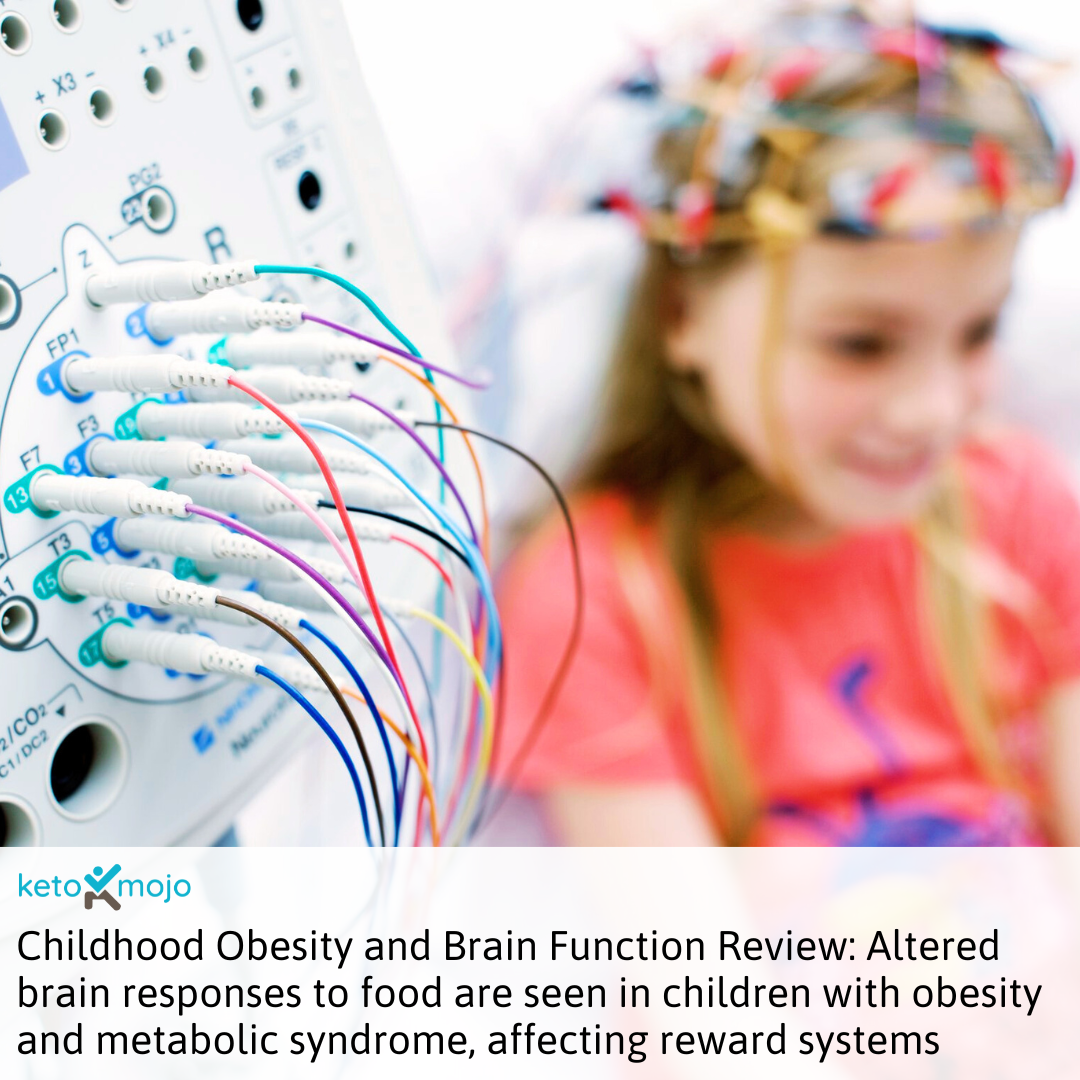
The relationship between body weight and cognitive performance appears to manifest early in life. Scientific evidence suggests that higher weight status in childhood and adolescence is associated with lower cognitive functioning, particularly in the area of executive function. This cognitive domain encompasses the complex abilities required to initiate, plan, and execute tasks, which are essential for daily life and academic success. According to Alexis Wood, an assistant professor of pediatric nutrition at the Children’s Nutrition Research Center at Baylor College of Medicine, the evidence supporting this association across the developmental spectrum is robust.
However, the question of causality remains complex. Researchers are currently debating whether excess weight directly causes neurological decline or if early cognitive challenges contribute to poor eating behaviors that lead to obesity. The Children’s Nutrition Research Center, which operates in partnership with the Agricultural Research Service of the U.S. Department of Agriculture, continues to study these developmental patterns to better understand the underlying biological and behavioral drivers.
Understanding the Mechanisms of Brain Health
By middle age, the correlation between excess weight and brain health becomes more pronounced. Several longitudinal studies have observed that individuals who meet the criteria for obesity in midlife are more susceptible to cognitive decline. Despite these findings, the “how” and “why” remain subjects of ongoing scientific inquiry. Potential factors under investigation include systemic inflammation, vascular changes, and the role of adipose tissue as an endocrine organ that may influence brain chemistry.
The complexity of these interactions suggests that obesity may affect the body differently at various stages of life. For instance, the impact of weight on a developing brain during childhood may function through different pathways than the impact of weight on an aging brain. The medical community is focused on distinguishing whether the elevated dementia risk is a cumulative result of lifelong obesity or if specific life stages present unique windows of vulnerability.
Public Health Implications
With obesity rates steadily rising, the potential for widespread cognitive impairment is a subject of significant concern for public health officials. Addressing this issue requires a multifaceted approach that considers nutrition, physical activity, and early diagnostic screening. As medical professionals, our goal is to translate these complex findings into actionable advice for patients. Maintaining a healthy weight is not only beneficial for the heart and metabolism but appears increasingly vital for preserving executive function and long-term cognitive health.
Patients are encouraged to discuss their metabolic health markers with their healthcare providers. Regular monitoring of BMI and other metabolic health indicators can provide a baseline for preventive care. For those seeking more information on managing weight and its implications for overall health, resources from organizations like the Centers for Disease Control and Prevention (CDC) provide evidence-based guidance on lifestyle interventions.
Key Takeaways
- Obesity is linked to reduced executive function in children, and adolescents.
- There is a well-documented association between obesity in midlife and an increased risk of dementia.
- Researchers are still investigating the exact biological mechanisms that link body weight to brain health.
- Executive function—the ability to plan and carry out tasks—is a primary area of concern in studies regarding obesity and cognitive health.
As the scientific community continues to publish findings on this topic, we expect further clarity on the interplay between metabolic status and neurodegeneration. Further updates will be provided as major health organizations release new clinical guidelines or meta-analyses regarding these findings. In the meantime, I invite our readers to share their thoughts or questions in the comments section below regarding how you balance long-term brain health with daily wellness habits.