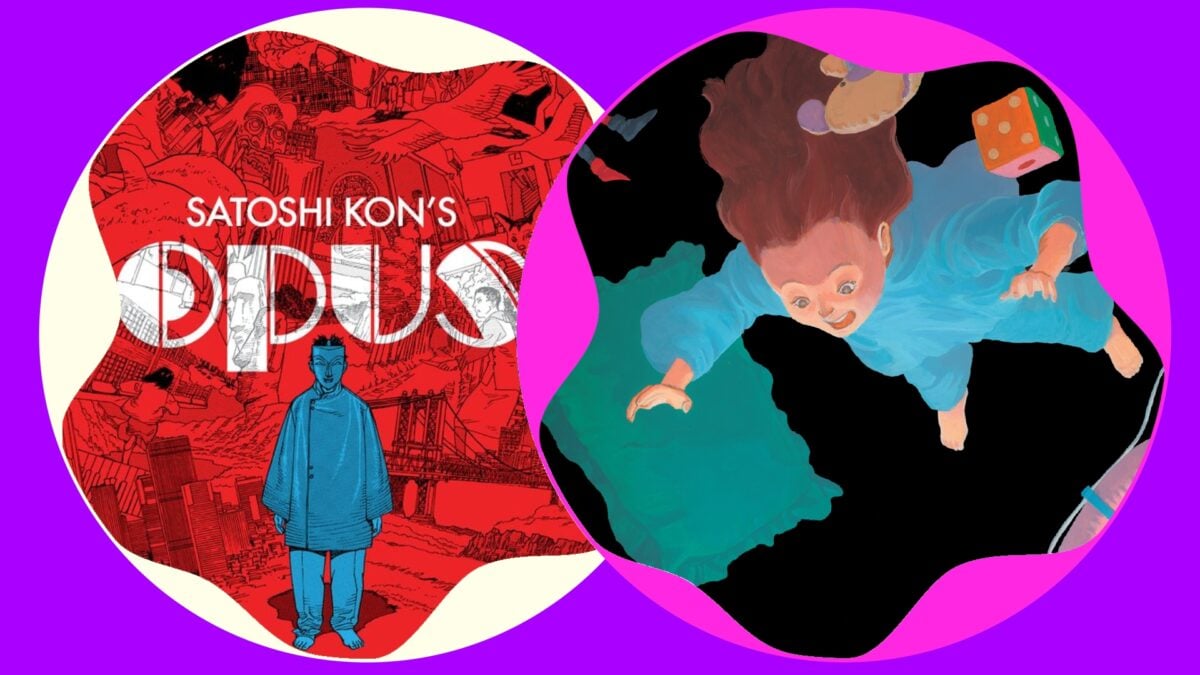
Beyond the Frame: Why Satoshi Kon’s Manga Are Essential to Understanding His Cinematic Legacy
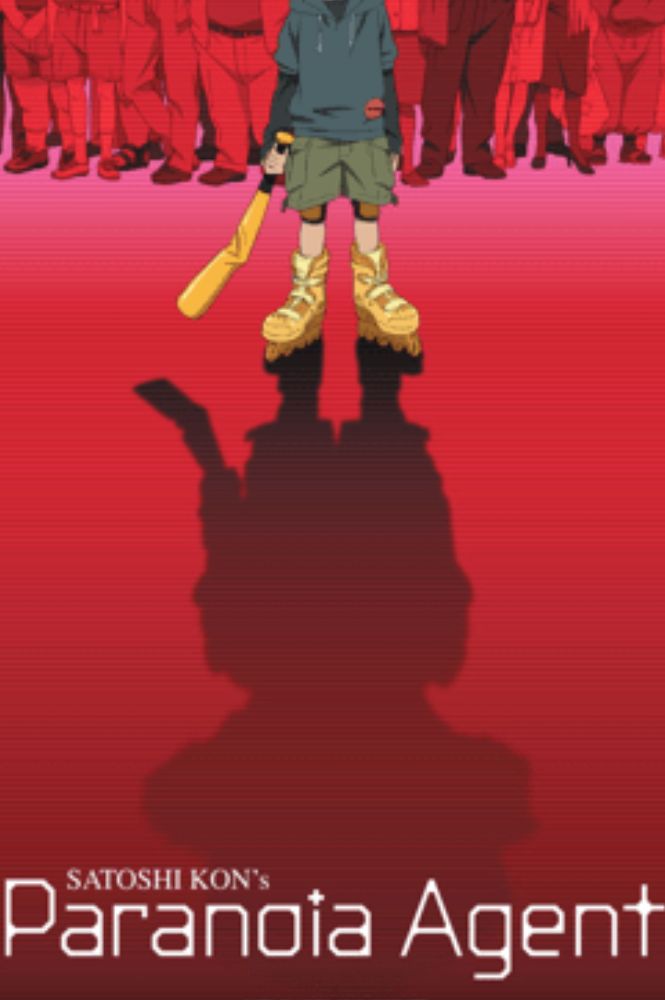
For many animation enthusiasts, the name Satoshi Kon evokes a very specific, visceral sensation. It is the feeling of reality splintering—the dizzying, seamless transition between a character’s waking life and their subconscious fever dreams. To watch masterpieces like Perfect Blue or Paranoia Agent is to witness a masterclass in psychological suspense, where the boundaries of the self are constantly interrogated through fluid, surrealist imagery.
However, for those who have only experienced Kon through the lens of high-budget animation, a significant portion of his creative DNA remains unexplored. Before he became the legendary auteur who redefined the possibilities of the anime medium, Kon was a storyteller working within the static, yet equally potent, confines of manga. To truly grasp the architecture of his genius, one must look past the moving images and return to the ink on the page.
The transition from mangaka (manga artist) to anime director is a path taken by several creators, but Kon’s journey was unique in its thematic continuity. His manga works, specifically Dream Fossil (Yume no Atosaki) and Opus, are not merely precursors to his films; they are the foundational blueprints for the non-linear, meta-fictional, and deeply humanistic storytelling that would eventually stun global audiences.
The Genesis of a Visionary: From Ink to Animation
Satoshi Kon’s career was defined by a refusal to stay within traditional narrative boundaries. While his filmography—including the hallucinatory Paprika and the poignant Millennium Actress—is widely celebrated, his roots in the manga industry provided him with a unique understanding of pacing and visual rhythm. In manga, a creator cannot rely on motion to convey emotion; they must rely on the “gutter”—the space between panels—to force the reader’s mind to bridge the gap between moments.

This mastery of the “mental jump” is precisely what makes his anime so effective. When we see a character in a Kon film move from a crowded subway to a dreamscape in a single, unbroken shot, we are seeing a cinematic evolution of the panel-to-panel transitions he perfected in his early manga days. By studying his early work, viewers can see how he learned to manipulate time and space using static imagery, a skill that later allowed him to manipulate the viewer’s perception of reality on screen.
‘Dream Fossil’: The Early Explorations of the Subconscious
Before the world knew him as a director of psychological thrillers, Kon was honing his ability to depict the internal struggles of his characters through works like Dream Fossil (Yume no Atosaki). While perhaps less widely distributed internationally than his later films, this period of his career was crucial for establishing his thematic preoccupations.
In these early manga works, one can observe the seeds of his fascination with how memory and identity are constructed. Even without the luxury of voice acting or a sweeping orchestral score, the weight of his characters’ isolation and their tenuous grasp on reality is palpable. The “dreamlike” quality that defines his anime was already present in the way he utilized shading and composition to suggest a world that was slightly “off,” a technique that would become his stylistic signature.
‘Opus’: The Meta-Narrative Masterpiece
If Dream Fossil represents the germination of his ideas, then Opus represents the full flowering of his unique perspective. Opus is perhaps the most significant bridge between Kon’s two worlds. It is a manga that deals explicitly with the act of creation itself, weaving a complex, meta-fictional narrative that blurs the line between the creator and the created.
In Opus, the storytelling becomes a labyrinth. The narrative structure mirrors the very complexity of the human mind, a theme that would later reach its zenith in Paprika. For the reader, Opus offers a rare opportunity to see Kon grappling with the concept of “reality” from a different angle—not through the lens of a director managing a production, but through a creator managing a universe of ink and paper. It is a profound exploration of how stories live within us and how they, in turn, shape our perception of the world.
The Shared DNA: Why the Medium Matters
A common misconception is that manga and anime are two separate entities, with the latter being a mere “adaptation” of the former. In the case of Satoshi Kon, the distinction is far more nuanced. His manga were not just scripts waiting to be animated; they were complete, self-contained expressions of his vision. When we compare his manga to his films, we see a shared obsession with:
- Non-linear Chronology: The rejection of the standard “beginning, middle, end” in favor of a more cyclical or fragmented approach to time.
- Psychological Interiority: A focus on what is happening inside a character’s mind rather than just their external actions.
- Visual Metaphor: The use of recurring motifs and surreal imagery to represent abstract emotions or societal pressures.
- The Blurring of Identities: Characters who struggle to distinguish between their public personas and their private, often fractured, selves.
For the modern viewer, engaging with his manga provides a “raw” version of his storytelling. It allows you to witness the pure concept before it is polished by the technical complexities of animation. It is an essential step for anyone wishing to move beyond being a passive consumer of his films and toward becoming a true student of his art.
The Legacy of a Master
Satoshi Kon’s influence on contemporary media cannot be overstated. From the psychological depth of modern prestige television to the surrealist flourishes in high-concept science fiction, his fingerprints are everywhere. He taught us that animation is not a genre for children, but a sophisticated medium capable of exploring the deepest, darkest, and most beautiful corners of the human experience.
By revisiting his manga, we honor the full scope of his contribution to art. We recognize that his genius was not dependent on the technology of the animation studio, but was rooted in a fundamental understanding of how stories—whether told in ink or in pixels—can touch the soul.
Key Takeaways for Kon Enthusiasts
- Contextualize the Classics: Reading Dream Fossil provides a vital look at the thematic origins of Kon’s psychological storytelling.
- Experience the Meta: Opus is a must-read for those interested in how Kon explored the relationship between creators and their creations.
- Analyze the Transition: Pay attention to how Kon uses panel transitions in manga to achieve the same “seamless” reality-bending effects found in his anime.
- Expand Your Perspective: Viewing Kon as both a mangaka and an auteur offers a more holistic understanding of his impact on global visual culture.
As we continue to celebrate the works of Satoshi Kon, there are no upcoming official announcements regarding new or unreleased works, given his passing in 2010. However, his legacy continues to be revitalized through ongoing academic studies and the continued influence of his style on new generations of animators and filmmakers.
What is your favorite Satoshi Kon work? Do you think his manga offers a different experience than his films? Let us know in the comments below and share this article with your fellow animation fans.