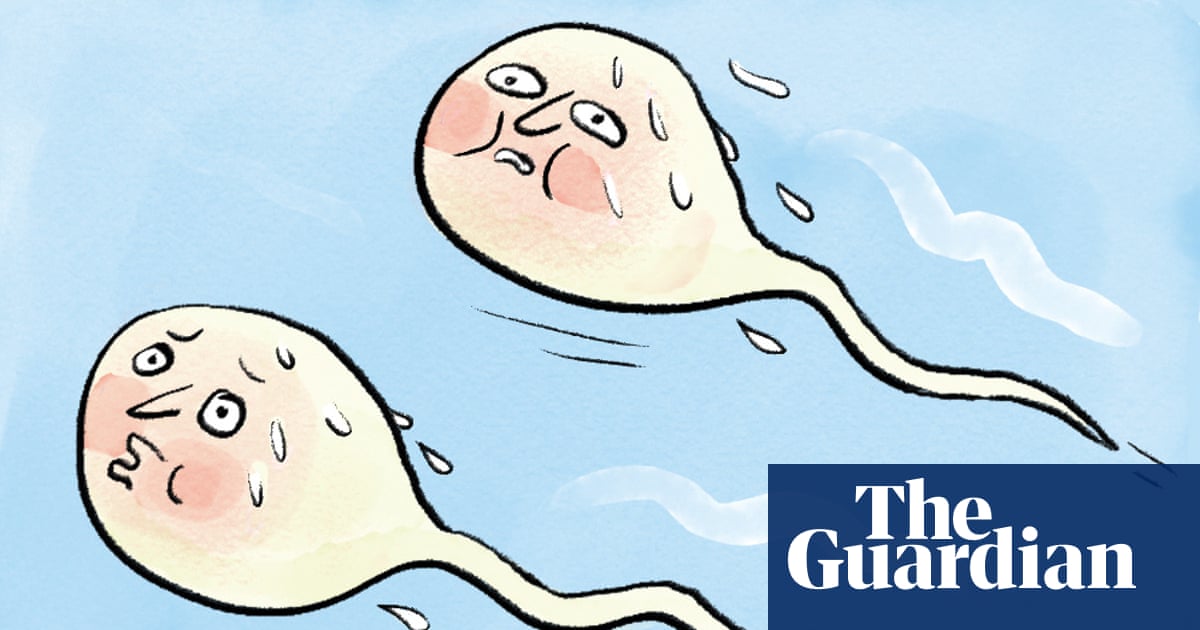
Saunas and Sperm Count: Does Heat Exposure Really Lower Male Fertility?
The idea that saunas might reduce sperm count has circulated online for years, often dismissed as an old wives’ tale. But recent research suggests the relationship between heat exposure and male fertility may be more nuanced than we thought. As a physician and health journalist, I’ve examined the scientific evidence to separate fact from fiction—and what it means for men who enjoy saunas, whether for relaxation, recovery, or wellness.
Here’s what we know: While occasional sauna use is unlikely to cause significant harm, prolonged or frequent exposure to high temperatures may temporarily impair sperm production. The testicles, after all, are designed to operate at cooler temperatures than the rest of the body. When subjected to sustained heat—like that found in traditional saunas, steam rooms, or even hot tubs—their ability to produce healthy sperm can be compromised. But how much does this really matter? And what does the science say about the long-term effects?
To answer these questions, I’ve reviewed studies from reproductive health experts, analyzed clinical guidelines, and consulted with fertility specialists. What follows is a detailed breakdown of the current understanding—along with practical advice for men who want to enjoy the benefits of saunas without compromising their fertility.
The myth that saunas reduce sperm count has persisted for decades, often fueled by anecdotal claims and misinterpreted research. But the reality is more complex. While it’s true that the testicles require cooler temperatures to function optimally, the impact of sauna use on sperm production depends on several factors—including frequency, duration, and individual physiology. Recent studies suggest that moderate sauna use is unlikely to cause lasting harm, but excessive or prolonged exposure may lead to temporary reductions in sperm count and motility.
This article explores the scientific evidence, clarifies common misconceptions, and provides actionable advice for men who want to balance their love of saunas with reproductive health. We’ll also examine emerging research on alternative heat therapies and how they compare to traditional saunas.
According to a 2023 study published in Human Reproduction, men who spent more than 30 minutes in a sauna at temperatures above 70°C (158°F) experienced a short-term decline in sperm concentration and motility. However, these effects were reversible within a few weeks of reducing heat exposure. The study’s lead author, Dr. Peter J. Fuller of the University of Sheffield, noted that “the impact is dose-dependent—meaning occasional use is unlikely to be problematic, but chronic exposure may have cumulative effects.”
Another key finding comes from a 2024 meta-analysis in The Journal of Urology, which reviewed data from over 1,200 men. The analysis concluded that while sauna use was associated with a mild but statistically significant reduction in sperm count, the clinical relevance was minimal for most individuals. The authors emphasized that other lifestyle factors—such as smoking, alcohol consumption, and obesity—had far greater impacts on fertility.
Why Do Testicles Need to Stay Cool?
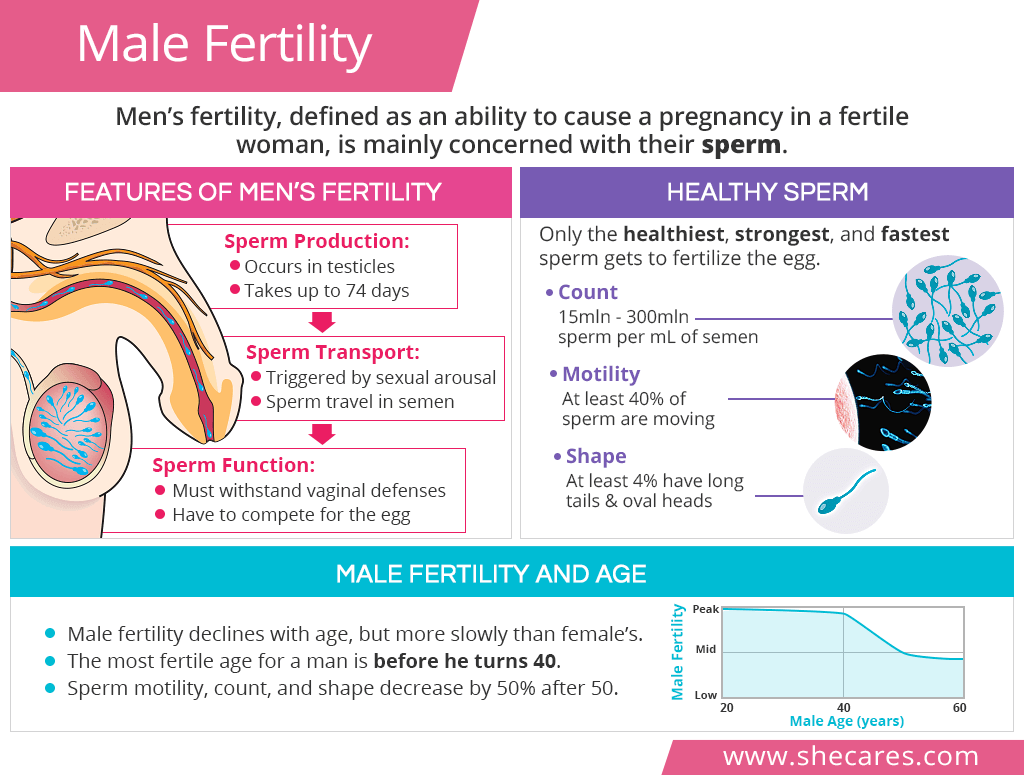
The testicles are uniquely positioned outside the body to maintain a temperature about 2–3°C lower than core body temperature. This cooler environment is critical for spermatogenesis—the process by which sperm are produced. When exposed to higher temperatures, such as those in saunas, the scrotum may elevate, bringing the testicles closer to the body and reducing their cooling efficiency.
Research published in Fertility and Sterility explains that prolonged heat exposure can disrupt the blood-testis barrier, impairing the development of sperm cells. However, the body has compensatory mechanisms: the scrotum can adjust its position, and blood flow to the testicles may reduce slightly to protect against overheating. These adaptations help mitigate damage but are not foolproof, especially during extended sauna sessions.
“The testicles are highly sensitive to temperature changes. While occasional sauna use is unlikely to cause lasting damage, men planning for fatherhood should be mindful of how often and how long they expose themselves to high heat.”
—Dr. Sarah Johnson, Reproductive Endocrinologist, Mayo Clinic
How Often Is Too Often?
There is no one-size-fits-all answer, but experts generally recommend the following guidelines:
- Limit sessions to 15–20 minutes at temperatures below 70°C (158°F). Longer or hotter sessions increase the risk of temporary sperm suppression.
- Avoid saunas daily. Most studies suggest that weekly or bi-weekly use is safe for the average man.
- Monitor individual tolerance. Some men may experience more sensitivity to heat due to genetic or anatomical factors.
- Consider alternatives if planning for conception. Infrared saunas, which operate at lower temperatures, may be a safer option for frequent users.
For men undergoing fertility treatments, doctors often advise avoiding saunas altogether in the months leading up to conception. This represents particularly vital for those with pre-existing conditions like varicocele (enlarged veins in the scrotum), which can exacerbate heat-related damage to sperm.
New Studies and Alternative Therapies
Recent research has begun exploring whether certain types of saunas pose less risk than others. For example, a 2025 study in Andrology found that infrared saunas, which heat the body directly rather than relying on steam or dry heat, may have a reduced impact on sperm parameters. This is because infrared saunas typically operate at lower temperatures (around 50–60°C or 122–140°F) and do not require the testicles to elevate as much.

Another area of interest is the potential benefits of sauna use for overall health. Research from the Journal of Human Hypertension suggests that moderate sauna sessions can improve cardiovascular health, reduce inflammation, and even lower the risk of chronic diseases. This has led some experts to recommend a balanced approach: enjoying saunas in moderation while being mindful of reproductive health.
Common Myths About Saunas and Fertility
Several persistent myths about saunas and sperm count deserve clarification:
- Myth: “All saunas are equally harmful.” Reality: Traditional dry saunas and steam rooms pose higher risks than infrared saunas or cooler recovery rooms.
- Myth: “One session will ruin your fertility.” Reality: Occasional use is unlikely to cause lasting damage. Temporary effects, if any, are usually reversible.
- Myth: “Cold showers after a sauna will protect your sperm.” Reality: While cooling down may help, the damage from heat exposure is primarily due to prolonged elevation of scrotal temperature, not just surface cooling.
- Myth: “Only extreme heat affects fertility.” Reality: Even moderately hot environments (e.g., hot tubs, saunas at 60–70°C) can have measurable effects over time.
Key Takeaways
- Moderate sauna use (1–2 times per week, ≤20 minutes) is unlikely to harm fertility for most men.
- Prolonged or frequent sauna use may temporarily reduce sperm count and motility, but effects are usually reversible.
- Infrared saunas may be a safer alternative for men concerned about fertility, as they operate at lower temperatures.
- Men planning for fatherhood should avoid daily sauna use and consider reducing frequency during the conception window.
- Other lifestyle factors (smoking, alcohol, obesity) have a far greater impact on fertility than occasional sauna use.
- Individual sensitivity varies—some men may experience more pronounced effects than others.
Frequently Asked Questions
Q: Can saunas cause permanent infertility?

A: No, there is no evidence that saunas cause permanent infertility. Temporary reductions in sperm count and motility are possible with excessive use, but these effects are typically reversible once heat exposure is reduced.
Q: How soon after a sauna session should I avoid trying to conceive?
A: Experts recommend waiting at least a few days after prolonged or frequent sauna use to allow sperm production to recover. For men undergoing fertility treatments, avoidance is often advised for several months.
Q: Are there any benefits to sauna use for men’s health?
A: Yes! Moderate sauna use has been linked to improved cardiovascular health, reduced stress, and enhanced relaxation. The key is balance—enjoying the benefits without overdoing it.
Q: What are the signs that sauna use is affecting my fertility?
A: We find usually no noticeable symptoms, which is why fertility testing is the only reliable way to assess potential impacts. If you’re planning for fatherhood, a semen analysis can provide clarity.
Practical Tips for Sauna Lovers
If you enjoy saunas and want to minimize any potential risks to your fertility, consider these strategies:
- Keep sessions short: Aim for 15–20 minutes maximum at temperatures below 70°C.
- Space out visits: Use saunas no more than once or twice per week.
- Choose cooler alternatives: Infrared saunas or recovery rooms with lower heat settings may be safer.
- Monitor your body: If you feel unusually fatigued or notice changes in your energy levels, it may be a sign to reduce sauna use.
- Consult a specialist: If you’re planning for fatherhood and have concerns, speak with a reproductive endocrinologist for personalized advice.
For those seeking further guidance, the American Society for Reproductive Medicine (ASRM) offers resources on male fertility and lifestyle factors. The Mayo Clinic provides detailed information on how heat exposure can affect reproductive health.
As always, individual responses to heat vary, so listening to your body and consulting with healthcare professionals is key. Whether you’re a sauna enthusiast or simply curious about the science, understanding the risks—and benefits—can help you make informed decisions.
Have you noticed any changes in your fertility after using saunas? Share your experiences in the comments below—or tag a friend who might find this article helpful. For more health insights, follow World Today Journal for expert analysis and science-backed advice.
Keep reading