
In the high-stakes theater of provincial governance, the command of fiscal minutiae is often viewed as a proxy for administrative competence. Recently, Quebec’s Minister of Treasury Board, Christine Fréchette, found herself under intense scrutiny following a public exchange regarding the province’s fiscal health. The incident has reignited a broader debate about the transparency of public finances and the ability of key cabinet members to navigate the complexities of Quebec’s debt management.
For observers of Canadian economic policy, the ability to articulate the precise figures of the provincial balance sheet is not merely an academic exercise; it is a fundamental requirement for maintaining market confidence. When a senior official struggles to quantify the Quebec provincial debt during a public appearance, it inevitably invites questions regarding the government’s grasp of its own budgetary trajectory. As of the most recent fiscal updates, the province continues to navigate a delicate balance between maintaining essential public services and managing the long-term interest costs associated with its outstanding obligations.
The Mechanics of Quebec’s Fiscal Oversight
The role of the Treasury Board President is pivotal in ensuring that departmental spending aligns with the government’s broader fiscal framework. In Quebec, the management of public funds is governed by strict legislative requirements, including the Balanced Budget Act, which mandates that the government maintain a balanced budget over time. This legal structure is designed to prevent the unchecked growth of the provincial deficit, yet the nuances of how these debts are reported—and understood by those in charge—remain a point of contention.
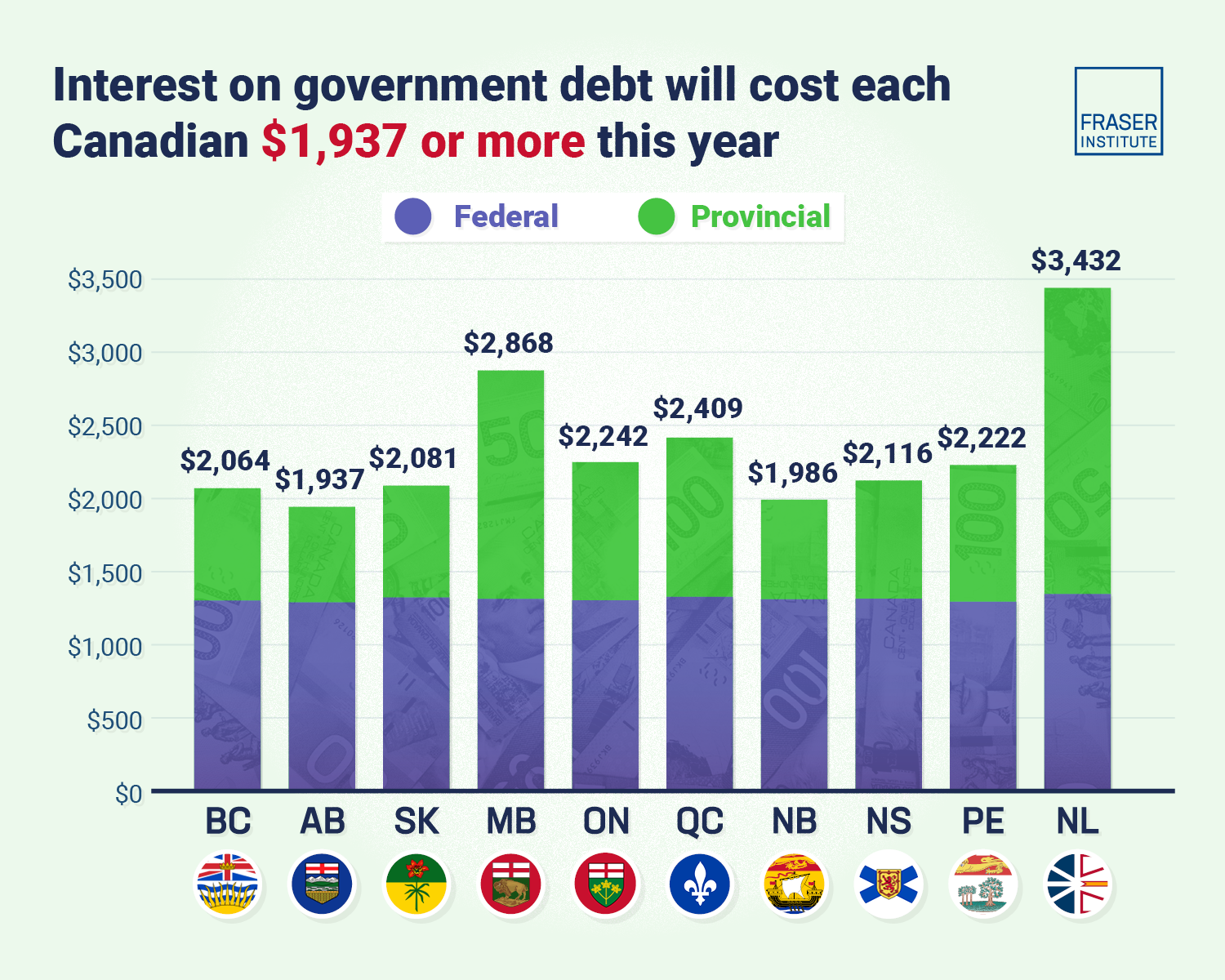
When high-ranking ministers falter on key economic statistics, the political fallout often masks the underlying technical complexity. Public finance in Quebec involves layers of accounting, including the distinction between the gross debt and the net debt, as well as the management of the Generations Fund, which is specifically earmarked to reduce the province’s debt burden. According to the Ministry of Finance’s official reporting, the province’s debt-to-GDP ratio remains a primary metric for credit rating agencies evaluating the province’s fiscal health. For the electorate, however, these abstractions often boil down to a simple question: does the leadership truly understand the scale of the financial commitments being made in their name?
Market Implications and Public Trust
Financial markets operate on a diet of data and predictability. While an individual minister’s inability to recall a specific debt figure during a media interview is unlikely to trigger a credit rating downgrade, it does influence the narrative regarding governmental stability. Institutional investors, who hold significant portions of Quebec’s debt, prioritize consistent messaging from the Ministry of Finance. Any perceived disconnect between the government’s stated goals and its internal knowledge base can lead to increased volatility in the perceived risk of provincial bonds.
The incident involving Minister Fréchette has prompted reactions from various political commentators and former officials. Critics argue that such lapses suggest a lack of deep engagement with the files, while supporters often point to the sheer volume of data that ministers are expected to synthesize on a daily basis. Regardless of the political lens applied, the event serves as a reminder of the high expectations placed on those overseeing the financial future of a province with a GDP exceeding $500 billion. The Quebec Institute of Statistics provides regular updates on the province’s economic performance, highlighting the importance of accurate data in shaping public policy.
The Path Forward for Fiscal Transparency
Looking ahead, the Quebec government faces the ongoing challenge of addressing inflationary pressures and the rising costs of servicing existing debt. The upcoming budget cycles will be critical in determining whether the current administration can demonstrate the fiscal discipline required to maintain its credit standing. Transparency is not merely about providing figures; it is about demonstrating a coherent strategy for the long-term sustainability of the province’s finances.

For the average citizen, understanding the state of provincial debt requires access to clear, jargon-free information. The government maintains a public portal for its financial disclosures, where citizens can track the evolution of the province’s fiscal situation. As the political discourse continues to evolve, the focus will likely shift from individual gaffes to the broader question of whether the government’s fiscal policies are meeting the needs of the population while ensuring that future generations are not unduly burdened by current expenditures.
The next major checkpoint for these discussions will be the tabling of the next provincial budget, where specific targets for debt reduction and spending will be outlined. Analysts will be watching closely to see how the government balances its competing priorities. We invite our readers to follow our ongoing coverage of Quebec’s economic policy and share their perspectives on the importance of fiscal accountability in the comments section below.