
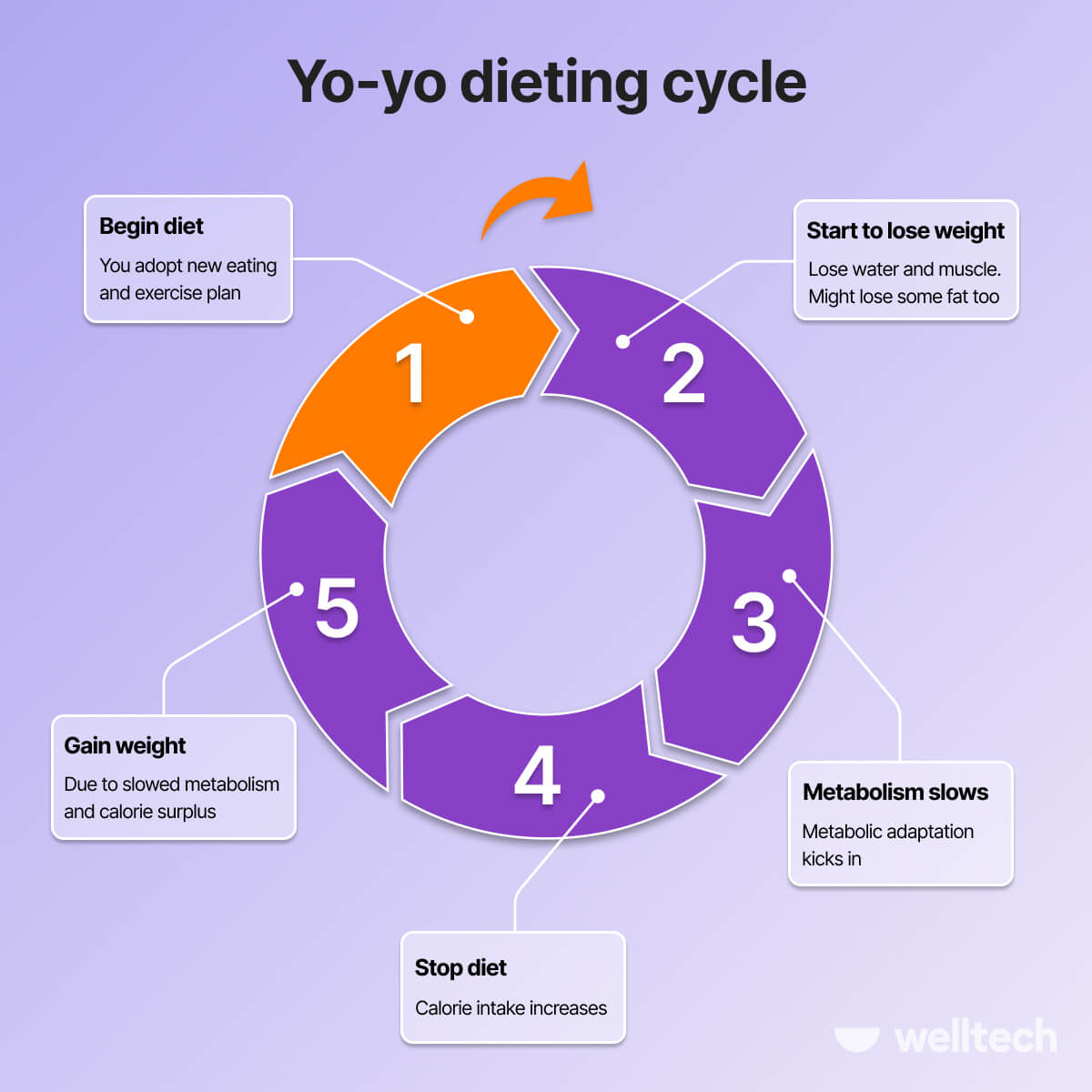
For decades, the term “yo-yo dieting” has struck fear into the hearts of weight-conscious individuals worldwide. The prevailing wisdom—backed by anecdotal evidence and some early studies—held that repeatedly losing and regaining weight would permanently damage metabolism, making future weight loss nearly impossible and even increasing the risk of chronic diseases like diabetes and heart disease. But a landmark review published in The New England Journal of Medicine (NEJM) this month has shaken the foundations of this belief, concluding that the metabolic damage feared by millions may be far less severe—or even nonexistent—than previously thought.
The study, led by researchers at the University of Oxford and the National Institute of Diabetes and Digestive and Kidney Diseases (NIDDK), analyzed 50 years of human and animal research, including data from over 1,200 participants across 23 clinical trials. Their findings suggest that while weight cycling can temporarily reverse some health benefits of weight loss—such as improved blood pressure or cholesterol—it does not appear to worsen long-term health outcomes compared to maintaining a higher weight. In other words, the body may not “remember” past weight fluctuations in a way that dooms future efforts.
This challenges a narrative that has dominated diet culture for generations, often used to justify extreme measures like crash diets or punitive exercise regimens. “The idea that yo-yo dieting is inherently harmful has been overstated,” says Dr. Jason Fung, a nephrologist and author of The Obesity Code. “What matters more is the pattern of weight change—not the act of losing and regaining weight itself.” The review’s lead author, Dr. Susan Jebb of Oxford, echoed this, stating in a press briefing that “the fear of metabolic damage from weight cycling has likely discouraged people from attempting weight loss at all, when the real risk may lie in obesity itself.”
What the Study Actually Found: Separating Fact from Fiction
The review’s conclusions are nuanced and experts emphasize that not all weight cycling is equal. Here’s what the science now suggests:
- No lasting metabolic damage: Contrary to the “yo-yo dieting myth,” the study found no consistent evidence that repeated weight loss and regain alters metabolism in a way that makes future weight loss harder. A 2022 meta-analysis in The Journal of the American Medical Association (JAMA) reached a similar conclusion, noting that “the adaptive thermogenesis hypothesis” (the idea that the body slows metabolism after weight loss) is not supported by robust clinical data.
- Temporary reversals of benefits: While losing weight improves markers like blood sugar and cholesterol, regaining some of that weight can temporarily reverse these gains. However, the study found that overall health risks remained lower than for those who never lost weight. For example, a person who cycles between 180 lbs and 200 lbs may see their cholesterol rise after regaining weight, but their risk of heart disease is still better than if they had stayed at 200 lbs consistently.
- Psychological and behavioral factors matter more: The real harm of yo-yo dieting may lie not in physiology, but in the emotional and behavioral toll. Studies show that frequent dieting is linked to increased anxiety, binge eating, and disordered eating patterns, which can undermine long-term health more than metabolism itself.
- Obesity remains the greater risk: The review underscored that maintaining a higher weight is riskier than cycling. Data from the CDC shows that people with obesity have a 2.5x higher risk of type 2 diabetes and a 1.5x higher risk of heart disease compared to those at a healthy weight—regardless of weight fluctuations.
Why the Myth Persisted: A History of Misinterpreted Science
The idea that yo-yo dieting damages metabolism traces back to animal studies in the 1970s and 1980s, which suggested that rodents who repeatedly lost and regained weight developed leptin resistance (a hormone regulating hunger) and reduced energy expenditure. However, these findings did not translate to humans. A 2016 study in Cell Metabolism found that human metabolism does not adapt in the same way, and the “set-point theory” (the idea the body fights weight loss to maintain a set weight) has been largely debunked.
Dr. Kevin Hall, a senior investigator at the NIDDK, explains that “the human body is far more adaptable than we once thought”. His research using doubly labeled water (a gold-standard method for measuring metabolism) showed that weight loss does not cause a permanent slowdown in calorie burning. Instead, the body adjusts temporarily, and metabolism rebounds when weight is regained.
What This Means for You: Practical Takeaways
The NEJM review doesn’t give a free pass to reckless dieting—but it does dismantle a major psychological barrier for millions struggling with weight. Here’s how to apply the findings:

- Focus on sustainability, not perfection: Crash diets and extreme restrictions often lead to rebound weight gain, but the study suggests that moderate, maintainable changes are more effective long-term. The U.S. News & World Report’s best diets consistently rank Mediterranean and DASH diets as top choices for their balance and sustainability.
- Prioritize health behaviors over weight numbers: The review highlights that improvements in blood pressure, cholesterol, and blood sugar from weight loss persist even after some weight is regained. This aligns with the NHLBI’s emphasis on “metabolic health” over BMI.
- Avoid dieting traps: Frequent dieting is linked to higher rates of disordered eating. Instead of extreme measures, experts recommend intuitive eating and regular physical activity (even light exercise like walking) to support metabolic flexibility.
- Medical supervision matters: For those with obesity-related conditions (e.g., diabetes, high blood pressure), supervised weight management programs—such as those offered by the American Society for Metabolic and Bariatric Surgery—can help navigate weight changes safely.
Expert Reactions: What Doctors and Dietitians Are Saying
The study has sparked debate among health professionals. While many welcome the debunking of the metabolic damage myth, others caution against misinterpreting the findings as license for unhealthy behaviors.
—Dr. Yoni Freedhoff, obesity medicine specialist and author of The Diet Fix
“This study is a game-changer for people who’ve been terrified of ‘yo-yoing’ because they thought it would ruin their metabolism. The truth is, the real enemy is chronic dieting stress, not the weight fluctuations themselves. If you lose weight and regain some, you’re still ahead of the game compared to someone who never tried.”
—Karen Collins, RD, former spokesperson for the American Institute for Cancer Research
“The key takeaway is that weight cycling is not inherently harmful, but the methods used to lose weight matter. Extreme calorie restriction or rapid weight loss can backfire, while gradual, healthy changes are more likely to stick. The focus should be on how you lose weight, not whether you’ll regain some later.”
What Happens Next: Watching for Follow-Up Research
The NEJM review is the most comprehensive analysis to date, but experts agree that longer-term studies are needed to fully understand the effects of weight cycling over decades. Key questions remain:
- How do genetic factors influence weight cycling? Some individuals may be more prone to metabolic adaptations than others.
- What role does gut microbiome play? Emerging research suggests that gut bacteria may affect weight regulation, and weight fluctuations could influence microbial diversity.
- How does weight cycling affect longevity? While short-term health markers improve with weight loss, the long-term impact on lifespan is still under study.
The National Institutes of Health (NIH) has funded several large-scale studies, including the Look AHEAD trial, which is tracking participants with type 2 diabetes over 16 years to assess the effects of weight loss interventions. Preliminary data from Look AHEAD suggests that even modest weight loss (5–10%) can reduce diabetes complications, regardless of later weight regain.
Key Takeaways: What You Should Remember
- The fear of “yo-yo dieting” damaging metabolism is overblown—new research shows no lasting harm.
- Weight cycling can temporarily reverse some health benefits, but overall risks are lower than maintaining a higher weight.
- Sustainable habits matter more than perfection—focus on gradual, healthy changes.
- Extreme dieting carries psychological risks (e.g., binge eating), so moderation is key.
- For medical conditions, supervised weight management is safest.
Reader Q&A: Common Questions About Weight Cycling
Q: If I’ve regained weight after dieting, does that mean my metabolism is ruined?
A: No. The NEJM review found no evidence that weight cycling permanently damages metabolism. Your body may adjust temporarily, but it doesn’t “remember” past weight changes in a harmful way. The bigger risk is chronic dieting stress, which can lead to disordered eating patterns.
Q: Should I avoid dieting altogether if I’ve struggled with yo-yoing in the past?
A: Not necessarily. The study suggests that attempting weight loss is still beneficial, even if you regain some weight later. The key is to choose sustainable methods (e.g., Mediterranean diet, strength training) and avoid extreme measures that lead to rebound.
Q: Does weight cycling increase the risk of heart disease?
A: The review found no increased risk compared to maintaining a higher weight. However, some studies link frequent dieting to higher stress hormones, which could indirectly affect heart health. The takeaway: Focus on overall health behaviors, not just weight numbers.
Where to Go for More Information
- NIDDK Weight Management Guidelines
- American Society for Metabolic and Bariatric Surgery
- Academy of Nutrition and Dietetics (Intuitive Eating Resources)
- NHLBI Obesity Toolkit
Next Steps: The NIH’s Look AHEAD study will release updated findings on weight cycling and diabetes in 2025. The World Health Organization (WHO) is expected to update its obesity guidelines later this year, incorporating the latest research on weight fluctuations.
Have you struggled with weight cycling? How has the fear of “yo-yo dieting” affected your approach to health? Share your experiences in the comments below—or tag us on Twitter to join the conversation.


Worth a look