

New research published in Frontiers in Veterinary Science indicates that cognitive decline in aging dogs is associated with a reduction in thoracic, or front-limb, stride length. This finding provides a potential new metric for veterinarians and owners to monitor the progression of canine dementia, offering a more comprehensive assessment of an animal’s health trajectory as it ages.
The study, which examined 88 geriatric dogs with an average age of about 12 years, suggests that changes in movement patterns may serve as an early indicator of functional decline. While previous research has established a link between stride length and cognitive impairment in humans, this study examined the problem in dogs.
Understanding the Link Between Gait and Cognition
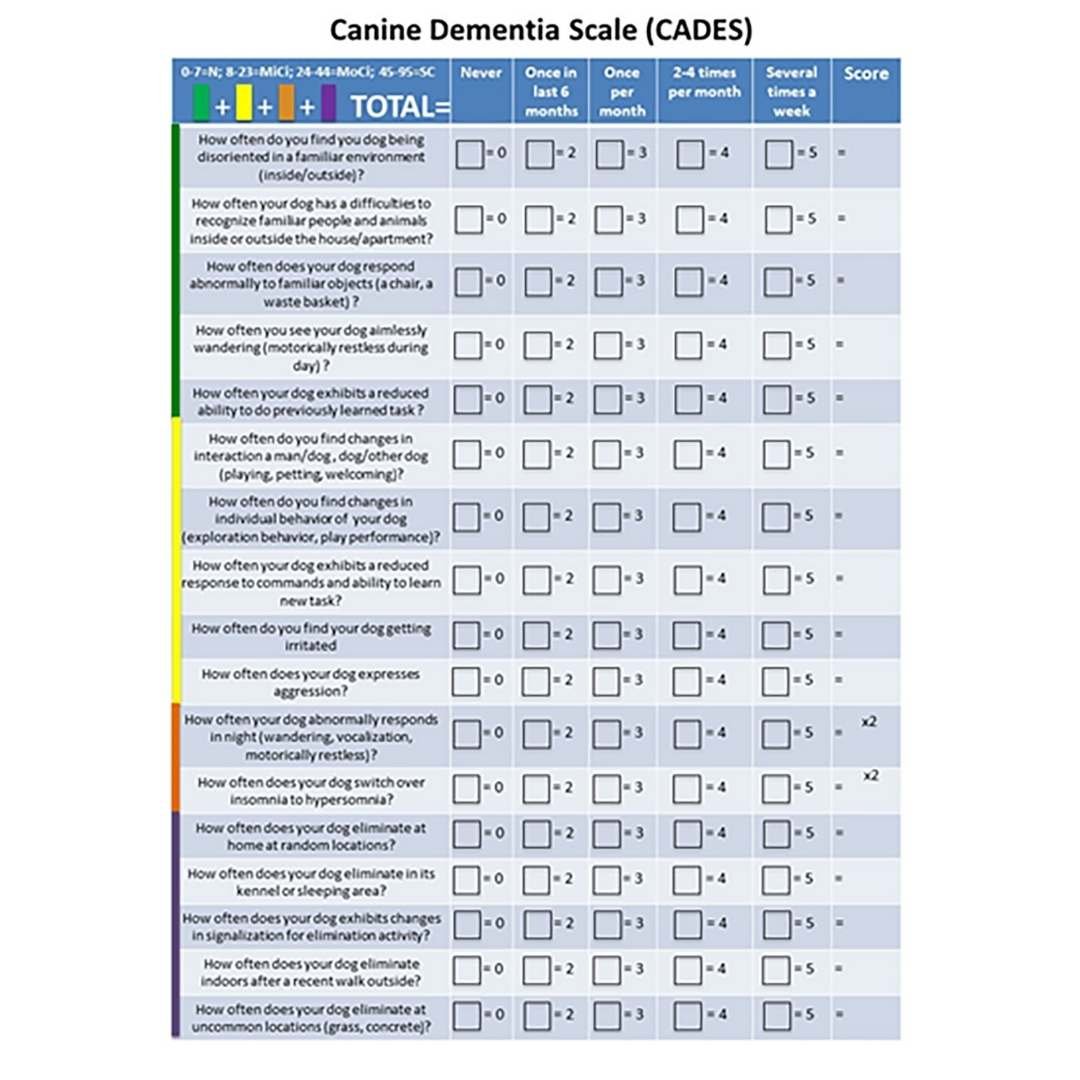
To investigate the connection, researchers at North Carolina State University’s College of Veterinary Medicine performed regular evaluations on the participating dogs approximately every six months. These assessments included comprehensive physical, neurologic, and orthopedic examinations, as well as mobility assessments, hearing tests, and blood work. To measure cognitive status, owners completed standardized assessments, including the Canine Dementia Scale (CADES) and the Canine Brief Pain Inventory (CBPI).

The researchers observed the dogs as they walked along a five-meter indoor path. By tracking the stride length of both the front and back limbs and adjusting for the height of each dog, the team identified a specific correlation: as cognitive scores worsened, the stride length of the front limbs decreased. According to the study, a 10-point increase in a dog’s CADES score corresponded to an approximate 1.2% reduction in thoracic limb stride length.
Natasha Olby, a professor of neurology and a chair in gerontology at the university, noted that this relationship was specific to the front limbs. “While thoracic limbs play a key role in braking and postural stabilization, pelvic limbs mainly act as a propulsion motor,” Olby explained. She further noted that thoracic limb movement is likely under more cortical influence and may be more sensitive to alterations in visual or spatial awareness than pelvic limb movement.
Clinical Implications for Senior Pet Care
For pet owners and veterinarians, these findings offer a way to track the health of aging animals. While the researchers emphasize that stride length alone is not a diagnostic tool for dementia, it is useful in creating a larger picture of a dog’s cognitive status. Monitoring changes in a dog’s gait over time can provide useful data regarding their overall health trajectory.
The study highlights the importance of distinguishing between cognitive-related mobility issues and those caused by physical pain. By adjusting for the Canine Brief Pain Inventory (CBPI) scores, the researchers ensured that the observed reduction in stride length was associated with cognitive status. This allows for monitoring of neurological health in senior dogs.
Future Directions in Veterinary Gerontology
The research team suggests that integrating gait analysis could help clinicians detect changes that might otherwise go unnoticed. Because the study utilized a longitudinal approach—evaluating dogs approximately every six months—it underscores the value of consistent observation in managing the health of aging pets.
While the study provides a step forward, researchers acknowledge that the effect of cognitive decline on stride length is small. For now, the study adds a data point for practitioners working to maintain the quality of life for senior canine patients.
For those interested in learning more about the study, the full paper is available in Frontiers in Veterinary Science. Owners concerned about their pet’s mobility or cognitive changes are encouraged to consult with their veterinarian.