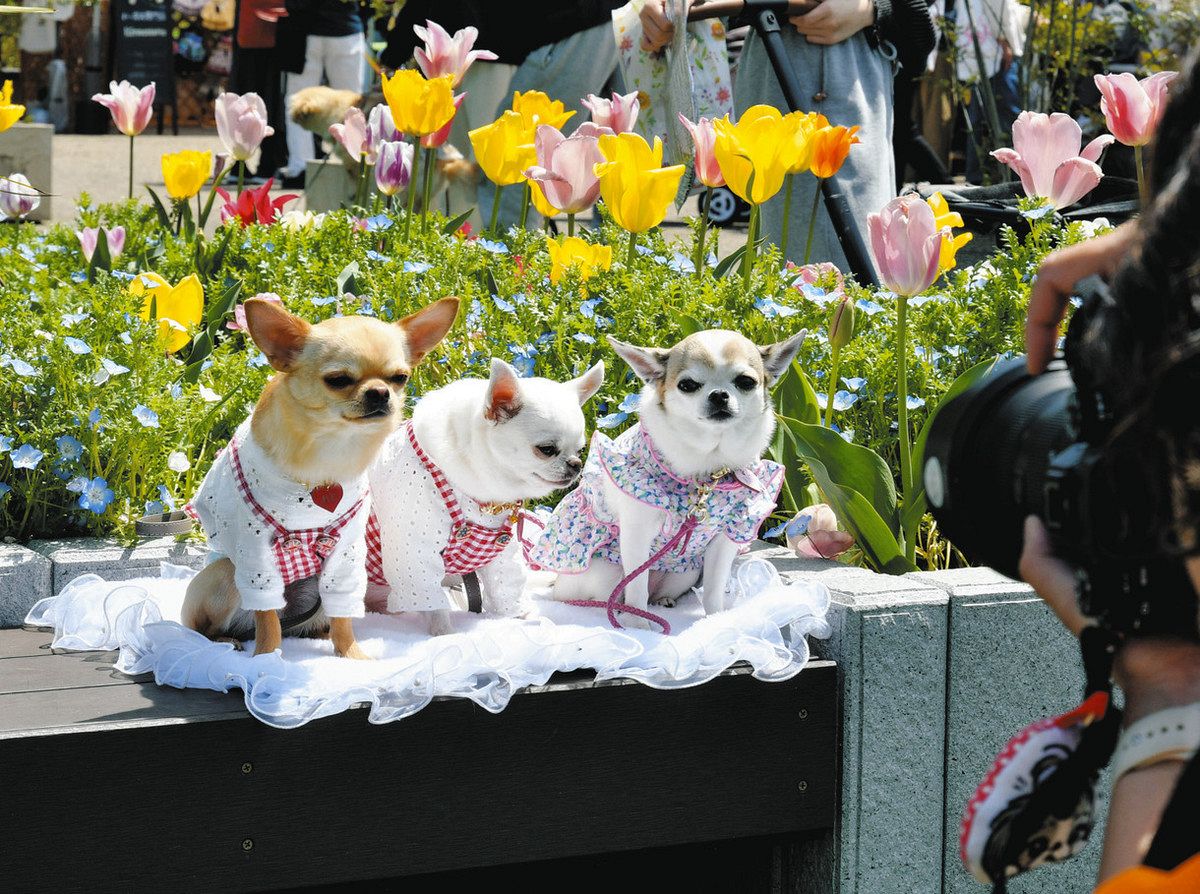
The delicate balance between maintaining world-class botanical standards and meeting the growing demand for pet-inclusive public spaces has develop into a focal point for garden managers across Japan. In Kani City, Gifu Prefecture, this tension recently reached a turning point at a local rose garden, where the success of a specialized “Dog Festival” has reportedly paved the way for a significant shift in policy regarding pet accompaniment.
For years, the garden maintained strict restrictions on dogs, citing the rigorous maintenance required for rose cultivation. Since roses are notoriously susceptible to pests and diseases, the use of chemical agents is often a necessity for horticultural health. These treatments created legitimate safety concerns for pets, leading to a long-standing ban that often clashed with the desires of local residents and visitors who wished to share the beauty of the blooms with their canine companions.
However, reports indicate that the persistent demand for pet-friendly access led to the implementation of a “Dog Festival,” an event designed to test the viability of allowing pets within the garden. The overwhelming success of this event has reportedly prompted the garden to reconsider its stance, moving toward a broader lifting of the ban on pet accompaniment.
The Conflict Between Horticultural Care and Pet Safety
The primary challenge in creating pet-friendly rose gardens lies in the chemistry of cultivation. Roses require consistent care to fend off fungal infections and insect infestations, often necessitating the application of pesticides and fungicides. For pet owners, the risk of paws coming into contact with these chemicals or dogs ingesting treated foliage is a primary concern.
This dilemma is not unique to Kani City. Many botanical spaces struggle to reconcile the “sterile” environment required for prize-winning blooms with the unpredictable nature of animals. When pesticides are used, the safety window—the time between application and when the area is safe for pets—can vary, making permanent access a logistical and liability challenge for garden administrators.
Implementing Inclusive Access in Japanese Gardens
As the trend toward “pet-humanization” grows, other gardens across Japan have adopted various models to balance safety with accessibility. In the Kanto region, for instance, several spring flower fields have established clear guidelines to manage the influx of dogs during peak bloom seasons for cherry blossoms, nemophila, and tulips.

Different gardens employ different strategies to mitigate risk and maintain order. For example, the Yokohama English Garden in Kanagawa Prefecture allows only small dogs into the premises, provided they remain inside a cart or cage. This approach protects the flower beds from physical damage and prevents pets from coming into direct contact with potentially treated soil or plants, while still allowing owners to experience the garden.
These tiered access systems—ranging from strict “cart-only” policies to designated “dog-friendly zones”—offer a roadmap for gardens like the one in Kani City as they transition toward more inclusive policies. By implementing specific rules for dog behavior and containment, gardens can protect their botanical assets without alienating a significant portion of the visiting public.
Designing for Safety: The Role of Plant Selection
Beyond management policies, the physical characteristics of the plants themselves play a role in pet safety. While chemical treatments are a systemic concern, the physical danger of thorns is a constant factor in rose gardens. For those looking to create truly dog-friendly environments, the selection of specific cultivars can reduce the risk of injury.
Horticultural experts suggest prioritizing varieties that are naturally low-thorn or nearly thornless. According to David Austin Roses, varieties such as ‘Mary Delany’ and ‘Kew Gardens’ are particularly suited for pet-inclusive spaces because they lack the sharp thorns that typically pose a risk to a dog’s paws or coat. Choosing such “dog-friendly” roses allows for a more organic interaction between the pet and the environment, reducing the need for strict containment like cages or carts.
Integrating these safer varieties, alongside the use of compatible companion plants, can create a buffer zone that protects both the roses and the animals. This holistic approach to garden design—combining safe plant selection with mindful chemical management—is likely the most sustainable path forward for public gardens aiming to be inclusive.
The Future of Canine-Inclusive Botanical Spaces
The shift in Kani City reflects a broader societal move toward recognizing pets as integral family members. The success of the “Dog Festival” suggests that when gardens provide a structured, safe way for pets to visit, the community responds with high engagement and support.
As more gardens move toward lifting pet bans, the focus will likely shift toward education. Providing clear signage regarding treated areas, offering designated “pet-safe” paths, and encouraging the use of carts for smaller animals can ensure that the beauty of the roses is preserved while the joy of pet ownership is celebrated.
The move toward pet accompaniment in Gifu’s rose gardens marks a transition from seeing animals as a liability to seeing them as a way to enhance the visitor experience. By blending horticultural expertise with inclusive policy, these spaces can become destinations for all members of the family, regardless of species.
Official updates regarding the specific dates and revised entry requirements for the Kani City Rose Garden are expected to be released via local municipal channels. We encourage visitors to check official city advisories before planning their trip to ensure compliance with the new pet policies.
Do you believe botanical gardens should prioritize plant preservation or pet accessibility? Share your thoughts in the comments below or share this article with your fellow pet-loving gardeners.
Related reading