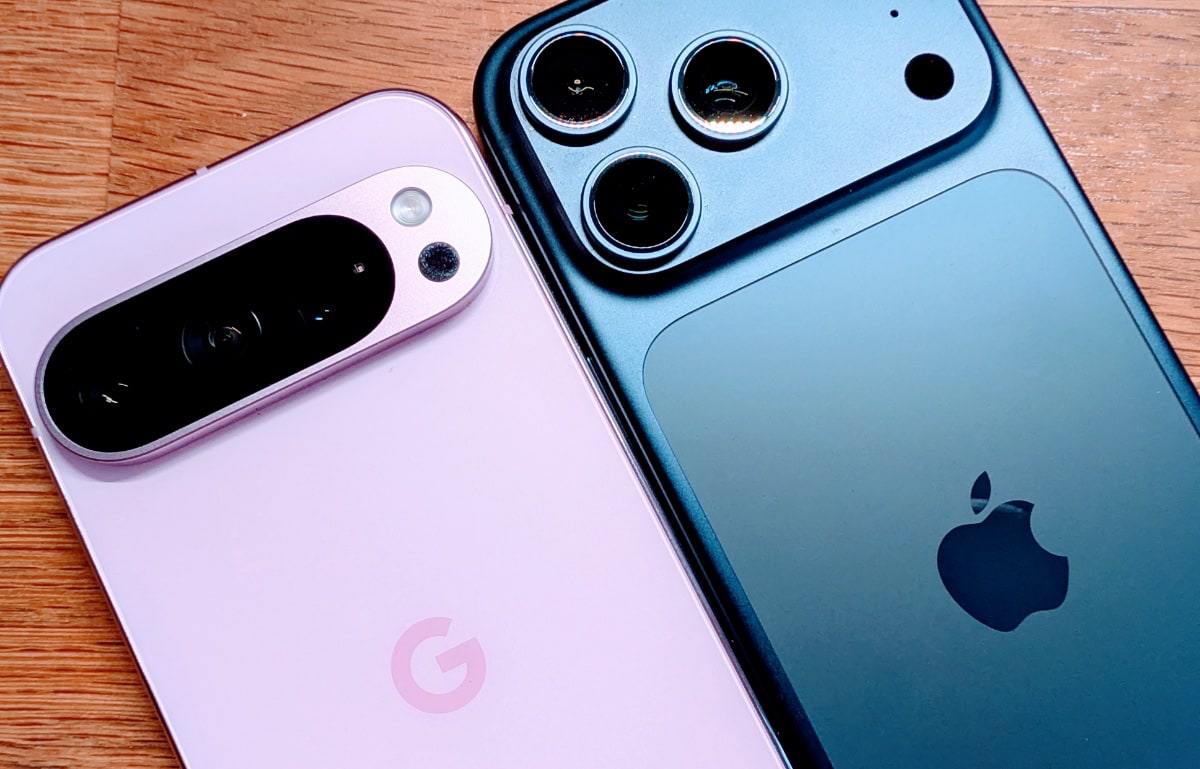
Smartphone prices are climbing again, and the pressure on manufacturers is intensifying as component costs rise and supply chain dynamics shift. By mid-2026, industry analysts project that premium device makers could face incremental costs exceeding $150 per unit, driven by advanced chipsets, enhanced camera systems, and stricter regulatory compliance. These increases are not absorbed internally. instead, they are increasingly passed on to consumers through higher retail prices, reshaping purchasing behavior across global markets.
Yet amid this trend, a counter-movement is gaining traction: the rise of “accessible flagships” — high-performance smartphones that deliver near-premium experiences at more attainable price points. These devices, often positioned just below the $800 threshold, are becoming critical growth drivers for brands seeking to balance innovation with affordability. As consumers grow more discerning about value, manufacturers are rethinking what a flagship phone should offer — and who it should serve.
The shift reflects broader changes in the global smartphone market, where shipment volumes have plateaued in mature economies while demand surges in emerging regions. According to Counterpoint Research, global smartphone shipments reached 1.17 billion units in 2023, with growth now concentrated in mid-tier and upper-mid-tier segments. Accessible flagships are not merely a pricing tactic but a strategic response to evolving consumer expectations and economic realities.
Understanding the Cost Pressures Behind Rising Smartphone Prices
The projected $150+ increase in per-unit costs for premium smartphones by mid-2026 stems from several interconnected factors. Semiconductor prices, particularly for system-on-chip (SoC) designs built on 3nm and upcoming 2nm processes, continue to rise due to increased R&D investment and limited fab capacity. TSMC, the world’s leading contract chipmaker, has signaled that advanced node pricing will remain elevated through 2026 as demand from AI accelerators and high-end mobile processors competes for limited output.
Camera systems are another major cost driver. Modern flagship phones now incorporate multi-lens arrays with larger sensors, periscope zoom mechanisms, and computational photography hardware that require precision manufacturing. Sony, a dominant supplier of mobile image sensors, has reported steady price increases for its IMX-series sensors, citing higher material costs and yield challenges in producing larger-format units.
regulatory compliance is adding overhead. New environmental regulations in the European Union, such as the Ecodesign for Sustainable Products Regulation (ESPR), require manufacturers to improve device durability, repairability, and recyclability. Meeting these standards often involves redesigning internal architectures, using more expensive materials, and extending product lifecycles — all of which contribute to higher bill-of-materials (BOM) costs.
These pressures are compounded by currency fluctuations and logistics expenses. A stronger U.S. Dollar increases the cost of imported components for non-U.S. Manufacturers, while ongoing disruptions in Red Sea shipping routes have raised freight rates by up to 20% compared to pre-2023 levels, according to UNCTAD data.
How Accessible Flagships Are Redefining Value
In response, manufacturers are launching devices that strategically downgrade non-essential premium features while preserving core performance. For example, the Google Pixel 8a, released in May 2024, offers the same Tensor G3 chip as the Pixel 8 Pro but omits the telephoto lens, uses a slightly lower-resolution display, and features a plastic-backed design — all to hit a $499 launch price. Despite these trade-offs, it delivers identical software support, AI capabilities, and camera processing, making it a compelling option for users who prioritize longevity and performance over marginal gains in build quality or zoom range.
Similarly, Samsung’s Galaxy A55 5G, launched in March 2024, brings flagship-like features such as a Super AMOLED display with 120Hz refresh rate, 50MP main camera, and Exynos 1480 processor to a starting price of $449. While it lacks the S Pen integration and titanium frame of the Galaxy S24 Ultra, it offers four years of OS updates and five years of security patches — matching the commitment of Samsung’s premium line.
These devices are not budget phones in the traditional sense. Instead, they represent a deliberate segmentation strategy: offering “good enough” luxury at a price that appeals to cost-conscious upgraders, first-time premium buyers, and users in markets where carrier subsidies have diminished. In India, for instance, accessible flagships now account for over 35% of smartphones sold above ₹30,000 (~$360), according to IDC’s Q1 2024 report.
Who Benefits — and Who Is Left Behind?
The rise of accessible flagships creates clear winners and trade-offs across the ecosystem. Consumers gain access to longer software support, better cameras, and faster processors without paying flagship premiums. This is especially impactful in regions like Southeast Asia, Latin America, and Africa, where average monthly wages create $1,000+ smartphones unattainable for most. A $600 device that lasts four years with updates offers far better long-term value than a $300 model abandoned after two years.
Manufacturers benefit too. By shifting volume to accessible flagships, companies can maintain factory utilization, spread R&D costs across larger user bases, and strengthen brand loyalty among users who may later upgrade to true premium models. Apple, while not offering a direct “accessible flagship” in its current lineup, has indirectly embraced this model through its continued sales of the iPhone 13 and iPhone 14 series at reduced prices — devices that now serve as de facto mid-tier options with full iOS support.
However, the trend also raises concerns about innovation stratification. As premium devices absorb the most experimental technologies — under-display cameras, satellite connectivity, foldable mechanisms — there is a risk that cutting-edge innovation becomes increasingly isolated in ultra-high-end models. This could slow trickle-down adoption and widen the experiential gap between users who can afford $1,200+ phones and those who cannot.
the environmental impact of longer device lifespans is positive, but only if manufacturers follow through on repairability promises. The European Right to Repair movement has pushed for mandatory access to spare parts and repair documentation, and early compliance reports suggest mixed results. A 2023 study by the German Environment Agency found that while 78% of smartphones now offer battery replacement guides, fewer than 40% provide easy access to display or motherboard components.
What This Means for the Smartphone Market in 2026 and Beyond
Looking ahead, the accessible flagship segment is poised to grow faster than both budget and ultra-premium categories. Counterpoint Research forecasts that devices priced between $600 and $800 will account for 28% of global smartphone shipments by 2026, up from 22% in 2023. This growth will be driven by continued cost optimization in chip design, more efficient camera module integration, and the standardization of AI processors across tiers.
Artificial intelligence is playing a dual role. On one hand, on-device AI features — such as real-time translation, generative photo editing, and intelligent battery management — are becoming key differentiators that manufacturers are willing to include even in mid-tier chips. Qualcomm’s Snapdragon 7+ Gen 3 and MediaTek’s Dimensity 8300, both launched in early 2024, bring flagship-tier AI capabilities to devices under $500, narrowing the experiential gap.
the computational demands of advanced AI models are accelerating the need for more powerful NPUs and memory bandwidth, which could eventually reintroduce cost pressures even in accessible models. For now, however, efficiency gains in chip architecture and software optimization are helping to absorb these demands without proportional price increases.
Consumer behavior is also shifting. Surveys by Deloitte and McKinsey indicate that smartphone upgrade cycles are lengthening, with the average user now waiting 3.5 years between devices — up from 2.4 years in 2019. This trend favors durable, well-supported devices over annual incremental upgrades, further boosting the appeal of accessible flagships that offer longevity without excess.
Where to Find Official Updates and Reliable Information
For readers seeking to track developments in smartphone pricing, component costs, and regulatory impacts, several authoritative sources provide timely and verified information:
- The Semiconductor Industry Association (SIA) publishes quarterly reports on global chip sales, pricing trends, and capacity utilization, available at semiconductors.org.
- Counterpoint Research offers regular market analysis on smartphone shipments, ASP (average selling price), and segment performance, with summaries accessible at counterpointresearch.com.
- The European Commission’s official page on the Ecodesign for Sustainable Products Regulation provides updates on compliance timelines and requirements for electronics manufacturers at environment.ec.europa.eu.
- GSMA Intelligence supplies data on mobile adoption, device pricing, and operator trends across global markets, particularly useful for emerging economy insights at gsmai.com.
These platforms provide transparency into the forces shaping device costs and help consumers and professionals distinguish between marketing narratives and measurable industry shifts.
The smartphone market in 2026 will not be defined solely by how much premium devices cost — but by how effectively brands can deliver meaningful innovation at prices that reflect real-world purchasing power. Accessible flagships are not a compromise; they are a recalibration. And for millions of users worldwide, they may represent the most sensible way to stay connected, productive, and up to date — without overpaying for marginal gains.
As component costs continue to evolve and regulatory frameworks tighten, the true test for manufacturers will be maintaining this balance. The winners will not be those with the most expensive phones, but those who understand that accessibility is not the opposite of excellence — it is its most sustainable expression.
Have you noticed changes in how smartphone prices are affecting your upgrade decisions? Share your thoughts in the comments below, and consider sharing this article with others who are navigating the shifting landscape of mobile technology.