
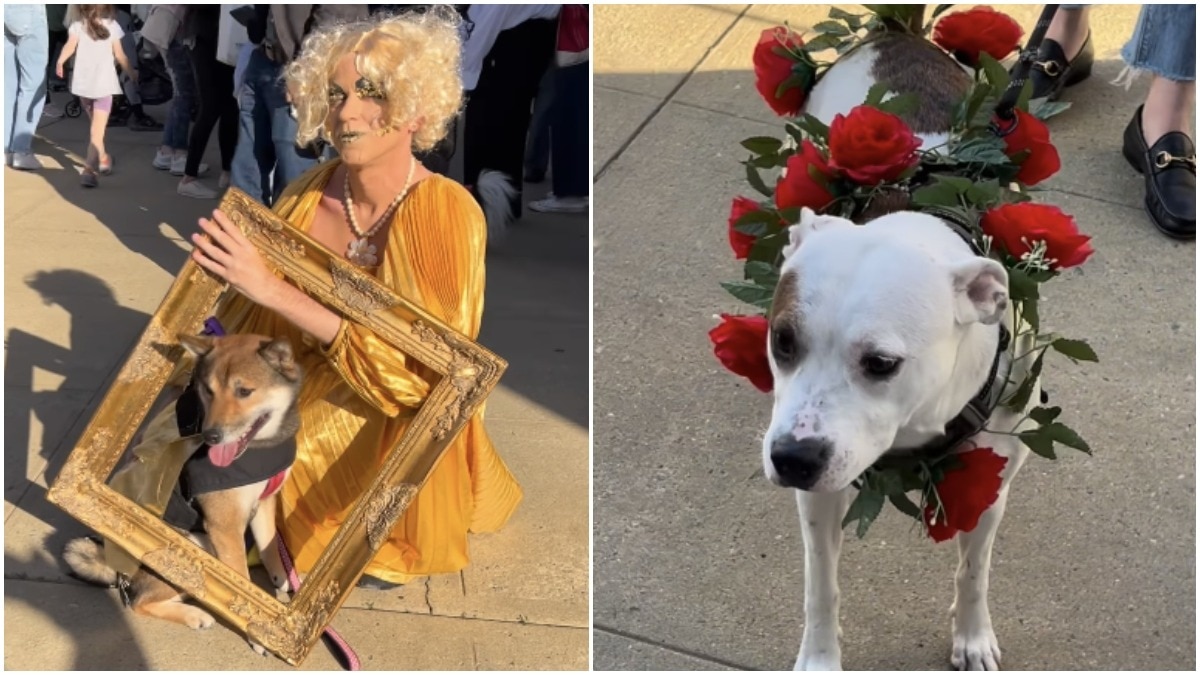
In a digital age where viral trends spread faster than a puppy’s first Zoom appearance, one phenomenon has taken the internet by storm: the pet gala. From dogs draped in designer gowns to cats accessorized in pearls, these events—once niche fundraisers—have exploded into a global spectacle, blending luxury, charity, and social media frenzy. What began as quirky local fundraisers has morphed into a multi-million-dollar industry, attracting celebrities, influencers, and even high-end fashion brands. But how did this trend emerge, and what does it reveal about the evolving relationship between pets, their owners, and the culture of conspicuous consumption?**
The pet gala’s rise mirrors broader shifts in how society views animals. No longer just companions, pets are now brand ambassadors, charity mascots, and social media stars—with their owners leveraging their charm to drive engagement, donations, and even product sales. According to a 2025 report by the American Pet Products Association (APPA), pet owners in the U.S. Alone spent $136.8 billion on products and services, with luxury pet accessories becoming a fast-growing segment. Meanwhile, platforms like TikTok and Instagram have amplified the trend, turning pets into micro-celebrities overnight. The result? A symbiotic relationship between pet owners, brands, and charitable causes—one that’s redefining pet culture.**
This article explores the origins, economics, and cultural impact of pet galas, examining how they’ve transitioned from grassroots fundraisers to mainstream entertainment, the role of influencers in fueling the trend, and the ethical questions surrounding pet fashion. We’ll also look ahead at what’s next for this fast-growing, profit-driven phenomenon—and whether it’s here to stay or just another fleeting internet craze.**
The Birth of the Pet Gala: From Humble Beginnings to Viral Sensation
The concept of dressing pets in formal attire isn’t new. Historical records show that wealthy Victorians dressed their dogs in tiny suits for portraits, and 19th-century circuses featured canine performers in elaborate costumes. However, the modern pet gala—complete with red carpets, judges, and charity auctions—trace its roots to 2010s fundraising events in the U.S. And Europe.
One of the earliest documented examples is the Westminster Kennel Club’s ". Bark in the Park" (2012), where dogs competed in costume contests alongside traditional conformation shows. But it was TikTok that truly democratized the trend. In 2021, videos of dogs in miniature tuxedos, cats in "designer" collars, and even hamsters in top hats began flooding the platform. A search for "#PetGala" on TikTok now yields over 500 million views, with hashtags like #DogsInGowns and #CatsInPearls generating billions of impressions annually.
"The pet gala isn’t just about the pets—it’s about the owners’ creativity, their connection to their animals, and the joy of sharing that on social media. It’s a win-win for everyone involved." — Dr. Emily Blackwell, Canine Behavior Specialist, University of Pennsylvania School of Veterinary Medicine (source)
The trend gained further traction when luxury brands began collaborating with pet influencers. In 2023, Gucci partnered with @TheDodo to release a limited-edition "Pet Couture" collection, featuring miniature handbags for dogs and jewelry for cats. Meanwhile, high-profile charities like the ASPCA and RSPCA launched their own pet fashion events, blending fundraising with entertainment. The 2024 ASPCA Pet Fashion Gala in New York, for instance, raised $2.1 million—a 40% increase from the previous year—while drawing celebrity attendees like Ryan Reynolds and Blake Lively, who brought their pets as red-carpet stars.**
But the real engine behind the trend? Social media algorithms. Platforms like Instagram and TikTok prioritize visually engaging content, and pets in elaborate outfits are designed to stop scrolls. A 2024 study by the Pew Research Center found that videos featuring animals receive 3x more engagement than those without. For pet owners, participating in a gala—or even posting a DIY pet fashion photo—can translate into brand deals, sponsorships, and even book deals. Take @LunaThePoodle, a Shih Tzu with a following of 12 million, whose custom gowns have been featured in Vogue and Harper’s Bazaar.**
The Economics of Pet Glamour: How Much Is a Dog’s Dress Worth?
Behind the viral videos and charity checks lies a lucrative industry. The global pet fashion market was valued at $2.8 billion in 2023 and is projected to grow at a CAGR of 8.5% through 2028, according to Grand View Research. Key drivers include:
- Luxury pet brands: Companies like Ruffwear, Wild One, and BarkBox now offer high-end accessories, with custom-made gowns selling for $200–$2,000+.
- Pet influencers: Top-tier pet accounts (e.g., @JiffPom, @Maru the Cat) command $10,000–$50,000 per sponsored post, often featuring designer pet wear.
- Charity galas: Events like the ASPCA’s Pet Fashion Gala and London’s "Paws & Pearls" generate millions in donations, with auctioned items (e.g., a diamond-encrusted collar) fetching $10,000+.
- E-commerce boom: Platforms like Etsy and Amazon now host thousands of pet fashion listings, with searches for "dog wedding dress" up 200% since 2020.
Yet, the trend isn’t without controversy. Critics argue that pet fashion can cross into exploitation, particularly when small animals (like birds or reptiles) are dressed in impractical or unsafe outfits. Veterinarians warn that over-accessorizing can lead to skin irritation, stress, or even injury—especially for pets with sensitive skin or mobility issues.**

"While a well-fitted costume can be harmless fun, we’ve seen cases where pets have been forced into restrictive outfits, leading to respiratory distress or panic attacks. Owners should prioritize their pet’s comfort over aesthetics." — Dr. Sarah Chen, Avian and Exotic Pet Veterinarian, Cornell University (source)
To mitigate risks, some organizations have introduced safety guidelines. The American Veterinary Medical Association (AVMA) recommends:
- Avoiding loose or flammable fabrics (e.g., lace, tulle).
- Skipping heavy accessories (e.g., bows, tiaras) for breeds prone to eye injuries.
- Short-duration wear (no more than 30–60 minutes for most pets).
Despite these warnings, the pet fashion economy shows no signs of slowing. With Gen Z and Millennials driving $100+ billion in pet spending annually, brands are doubling down on personalized, Instagram-worthy pet products—turning man’s (and woman’s) best friend into a walking billboard.**
The Influencer Effect: When Your Pet Becomes a Brand
The pet gala’s viral success is directly tied to the rise of pet influencers. Accounts like @TheDodo, @Maru the Cat, and @GrumpyCat have millions of followers, with their owners earning six-figure incomes through sponsorships. But the pet gala has become a key strategy for influencers to monetize their pets’ fame.
Take @LunaThePoodle, whose Instagram page boasts 15 million followers. Luna’s owner, Sarah Johnson, has turned her poodle into a full-time business, selling custom pet gowns, hosting virtual fashion shows, and even launching a subscription box for pet accessories. In 2024, Johnson told Forbes that 80% of her revenue now comes from pet fashion collaborations—a shift from her earlier focus on pet training services.**
Brands are quick to capitalize. Sephora, L’Oréal, and even high-end jewelers have partnered with pet influencers for limited-edition collections. In 2023, Tiffany & Co. released a "Paws & Pearls" campaign featuring cats in miniature diamond collars, which sold out in under 24 hours. Meanwhile, fast-fashion brands like Zara and H&M have introduced affordable pet fashion lines, making gowns and bow ties accessible to mainstream pet owners.**
But not all pet influencers embrace the trend. Some, like @JiffPom’s owner, Jessica Lee, have spoken out against over-commercialization, arguing that pets should not be "branded" like products. "At the end of the day, they’re animals, not marketing tools," Lee told The New York Times in 2024. "There’s a fine line between cute and exploitative."
The Charity Angle: Are Pet Galas Really Doing Good?
One of the most compelling arguments for pet galas is their charitable mission. Many events partner with animal shelters, rescue organizations, and veterinary clinics to fund spay/neuter programs, medical research, and disaster relief.

For example:
- The ASPCA’s Pet Fashion Gala has raised over $10 million since 2018, funding low-cost spay/neuter clinics across the U.S.
- London’s "Paws & Pearls" gala supports street dog rescues in Romania, where over 100,000 dogs are euthanized annually due to overpopulation.
- The Humane Society’s "Fur Ball" events (which include pet fashion shows) have driven adoption rates up by 30% in participating cities.
However, transparency remains a concern. Some smaller galas have faced scrutiny for lacking clear donation breakdowns, with only 30–50% of proceeds going directly to animal welfare, according to a 2024 investigation by ProPublica. To address this, major charities now require third-party audits and public financial disclosures.**
"The pet gala movement has done incredible things for animal welfare, but we need to ensure that the money raised is being used efficiently. Too often, overhead costs eat into the funds that could save lives." — Kathryn Michel, CEO, Best Friends Animal Society (source)
What’s Next for Pet Galas? Trends and Ethical Questions
As the pet gala phenomenon continues to evolve, several key trends are shaping its future:
- Virtual Galas: With hybrid events becoming the norm post-pandemic, some organizations are launching digital pet fashion shows, allowing global participation.
- Sustainable Pet Fashion: Brands like Patagonia and Eileen Fisher are introducing eco-friendly pet wear, using recycled fabrics and biodegradable materials.
- Inclusive Design: More galas are featuring pets with disabilities, proving that fashion can be inclusive.
- Regulation Debates: Some cities (e.g., Berlin, Amsterdam) are discussing laws on pet costumes, citing animal welfare concerns.
Ethically, the biggest question remains: Where do we draw the line? While dressing a dog in a tuxedo may seem harmless, forcing a cat into a corset raises red flags. Veterinarians and animal rights groups are pushing for industry-wide guidelines, including:

- Age and breed restrictions (e.g., no costumes for pets under 6 months or with health conditions).
- Mandatory vet checks before high-profile events.
- Clear labeling on pet fashion products (e.g., "Safe for outdoor wear" vs. "Indoor-only").
For now, the pet gala trend shows no signs of fading. With social media’s insatiable appetite for animal content and luxury brands eager to tap into the pet economy, expect to see even more over-the-top pet fashion—as long as comfort and ethics remain top priorities.**
Key Takeaways: The Pet Gala Phenomenon in a Nutshell
- Viral Growth: Pet galas went from niche fundraisers to global events, driven by TikTok, Instagram, and celebrity endorsements.
- Economic Impact: The pet fashion market is worth billions, with luxury brands and influencers leading the charge.
- Charity Benefits: Many galas raise millions for animal welfare, though transparency varies.
- Ethical Concerns: Animal welfare experts warn against over-accessorizing, pushing for safety guidelines.
- Future Trends: Virtual events, sustainable fashion, and inclusive design are reshaping the industry.
What’s Next?
The next major pet gala season kicks off in September 2026, with high-profile events like the ASPCA’s 2026 Pet Fashion Gala (scheduled for October 12–14 in New York) and London’s "Paws & Pearls" gala (November 5–7). Keep an eye out for:
- New collaborations between luxury brands and pet influencers.
- Potential regulatory changes in cities with strict animal welfare laws.
- Innovations in pet fashion tech, such as smart collars with embedded LEDs.
Have you dressed your pet for a gala—or do you think it’s taking things too far? Share your thoughts in the comments below, or tag #PetGala2026 on social media to join the conversation!**