The U.S. Department of Justice has launched a civil rights investigation into the New York City-based coffee chain Poetica Coffee after the business banned Democratic Representative Daniel Goldman from its locations. The probe follows a social media announcement by the cafe accusing the New York 10th District congressman of being a “genocide enabler” due to his political support for Israel and his financial ties to the American Israel Public Affairs Committee (AIPAC).
What prompted the Justice Department’s investigation?
Federal authorities initiated the investigation on Monday following a public statement from Poetica Coffee that effectively barred Representative Daniel Goldman from its Brooklyn and East Village stores. The coffee chain used its Facebook page to announce that the congressman would not be “ever” welcome at its establishments. The post included a photograph of Goldman at a counter and characterized his presence with inflammatory language, asking if his coffee “tastes like genocide juice.”
In the same social media post, Poetica Coffee staff stated that the business refuses to serve individuals they categorized as “racists, fascists, homophobes, genocide enablers, or anyone in between.” The chain also issued a refund to Goldman, asserting they did not require his money, which they suggested might be sourced from AIPAC. The decision to ban a political figure based on their affiliations or perceived stances has triggered scrutiny from federal regulators regarding the limits of private business conduct in public spaces.
Harmeet Dhillon, an attorney, addressed the incident in a post on X, noting that the Civil Rights Division is aware of the situation. While the specific legal threshold for the investigation remains under review, the focus centers on whether the ban constitutes illegal discrimination. Federal law prohibits public accommodations, such as restaurants and coffee shops, from discriminating against patrons based on protected characteristics, including race, religion, or national origin.
How did the confrontation at Poetica Coffee unfold?
The incident began when Representative Goldman visited a Poetica Coffee location. According to statements from Goldman, the visit was intended to be a routine stop. He noted that he decided to purchase a coffee specifically to show appreciation after a barista allowed his seven-year-old daughter to use the shop’s restroom, despite the family not having made a purchase at that moment.
“I made sure to buy a coffee in return for her kindness,” Goldman wrote in a response to the cafe’s social media post. He also expressed concern regarding the staff, stating, “I hope you at least make sure she gets the tip that she deserved.”
The backlash against the cafe was immediate. Following the Facebook post, the business’s founder, Parviz Mukhamadkulov, faced a significant influx of negative reviews. The confrontation highlights a growing tension between “brand activism”—where businesses take public stances on geopolitical issues—and the legal requirements of the Civil Rights Division to ensure equitable access to public services.
What are the legal implications for public accommodations?
The Justice Department’s probe will likely examine whether Poetica Coffee’s actions violated Title II of the Civil Rights Act of 1964. This federal mandate dictates that establishments serving the public cannot deny service or provide inferior service based on protected categories. While businesses generally maintain the right to refuse service to individuals who violate house rules (such as disruptive behavior), the law is much stricter when the refusal is linked to a person’s identity or religious/national affiliations.
Legal experts note a complex intersection in cases like this. On one side is the principle of private property rights and the freedom of association, which allows businesses to curate their environment. On the other side is the mandate that “public accommodations” must remain open to all members of the public regardless of their background. If the investigation finds that the ban was predicated on Goldman’s religious identity or national origin, the cafe could face enforcement actions.
The probe will specifically look for evidence of whether the “genocide enabler” label serves as a proxy for discrimination against a specific protected group. If the DOJ determines the ban was not based on conduct but on protected status, they may pursue litigation to ensure the cafe adheres to federal non-discrimination standards.
How do AIPAC donations impact Rep. Daniel Goldman’s reelection?
The controversy arrives during a period of intense political pressure for Representative Goldman. He is currently facing a significant primary challenge in New York’s 10th District from former City Comptroller Brad Lander. A central point of contention in this race has been Goldman’s relationship with the American Israel Public Affairs Committee (AIPAC).
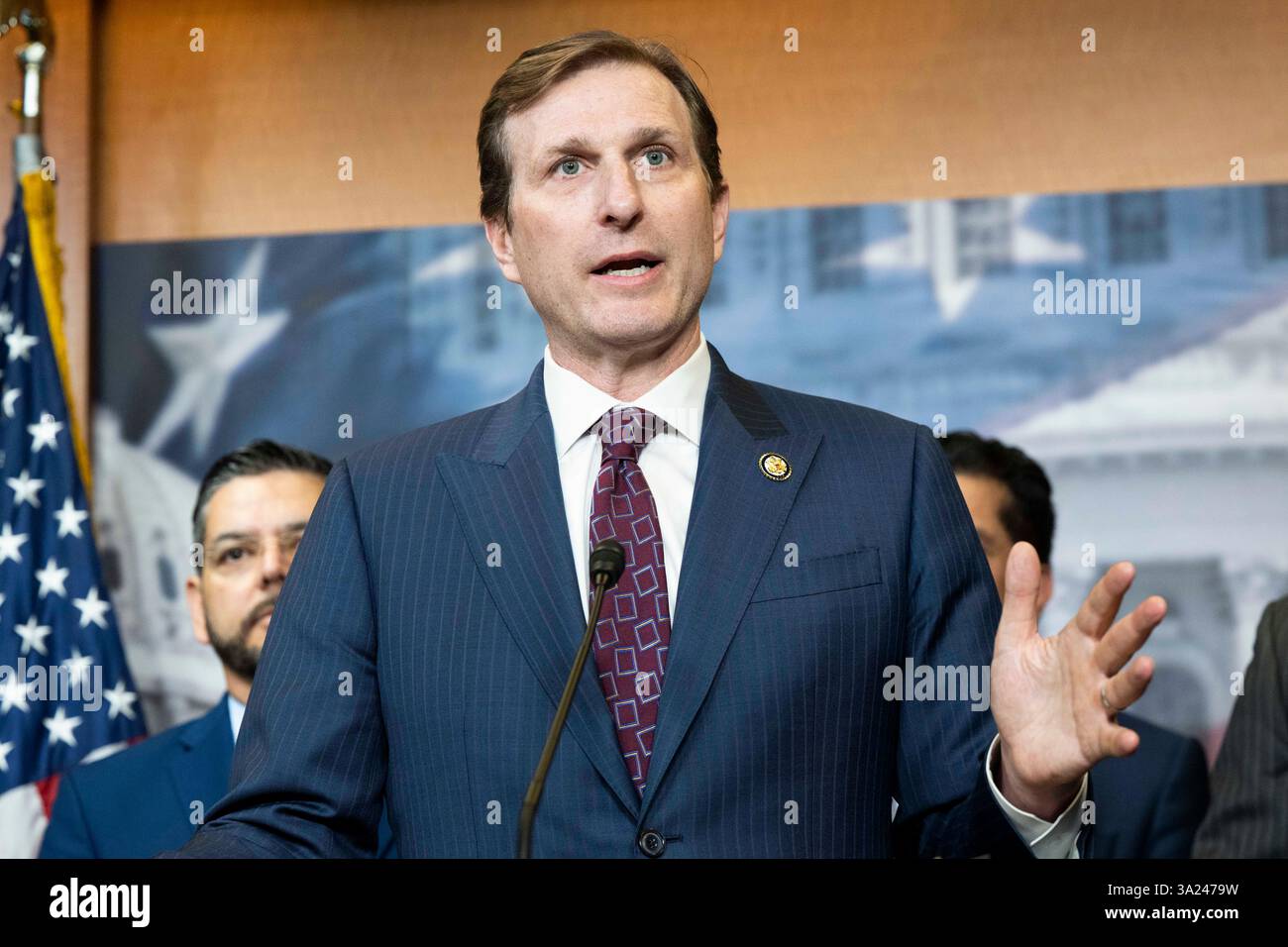
Federal election data indicates that Goldman has received substantial support from the organization. For the 2026 election cycle, Goldman received an endorsement and more than $190,000 in direct and earmarked donations from AIPAC. This financial backing has become a focal point for his political opponents, who argue that such contributions influence policy decisions regarding the conflict in Gaza.
In response to the mounting criticism from the Lander campaign, Goldman has taken steps to distance himself from the controversy. Politico reported that Goldman has publicly disavowed the AIPAC donations and has pledged to return the funds to mitigate the political impact of the contributions. The Poetica Coffee incident has further complicated this political landscape, turning a campaign finance issue into a federal civil rights matter.
Summary of the Poetica Coffee Incident
| Category | Details |
|---|---|
| Primary Subject | Rep. Daniel Goldman (NY-10) |
| Involved Business | Poetica Coffee (Brooklyn & East Village) |
| Reason for Ban | Alleged ties to AIPAC and pro-Israel stance |
| Federal Action | DOJ Civil Rights Division investigation opened |
| Key Financial Figure | $190,000+ in AIPAC donations reported |
| Legal Focus | Potential violation of public accommodation laws |
As of Monday evening, representatives for Poetica Coffee, the Justice Department, and Representative Goldman had not responded to requests for comment regarding the ongoing investigation. The Civil Rights Division has indicated it will pursue enforcement action if the probe reveals illegal discriminatory practices.
The next development in this case will likely depend on the DOJ’s initial findings and whether they issue a formal complaint or a letter of findings to the business owners. We will continue to monitor official filings and government statements for updates.
What do you think about the intersection of business rights and civil rights laws? Share your thoughts in the comments below and share this article with your network.
Keep reading