
Bottled water sold in France and globally has been linked in new research to elevated risks of colorectal cancer, according to a study published in Environmental Health Perspectives that identified trace contaminants—including endocrine-disrupting chemicals—in multiple brands. The findings, which analyzed over 1,200 samples from 14 countries, raise urgent questions about regulatory oversight and consumer safety, particularly as bottled water consumption continues to rise.
The study, led by a team from the French National Institute of Health and Medical Research (Inserm), focused on contaminants such as per- and polyfluoroalkyl substances (PFAS), arsenic, and microplastics—substances previously classified by the World Health Organization (WHO) as potential carcinogens. While the research does not prove causation, it adds to a growing body of evidence suggesting long-term exposure to these chemicals may contribute to colorectal cancer development through mechanisms like oxidative stress and hormonal disruption.
French health authorities have not yet issued a public warning, but the French Agency for Food, Environmental and Occupational Health & Safety (ANSES) confirmed it is reviewing the findings and will determine whether additional testing or labeling requirements are needed. Meanwhile, consumer advocacy groups are calling for stricter limits on allowable contaminants in bottled water, citing the European Chemicals Agency’s recent classification of certain PFAS as “substances of very high concern.”
Which Bottled Water Brands Are Under Scrutiny—and Why?
The Inserm study did not name specific brands, but earlier research—including a 2023 investigation by Le Monde—found elevated levels of PFAS and microplastics in widely distributed brands such as Evian, Perrier, and Nestlé Pure Life. PFAS, often referred to as “forever chemicals,” are used in food packaging and industrial processes and have been detected in tap water systems across Europe and North America. The U.S. Environmental Protection Agency (EPA) has set advisory limits for two PFAS compounds in drinking water, but European regulations remain less stringent.
Microplastics, another concern, have been found in bottled water at concentrations up to 10,000 particles per liter, according to a 2022 study published in Nature Food. While the health impacts of ingesting microplastics are still under investigation, preliminary research suggests they may contribute to inflammation and gut microbiome disruption—both of which are linked to colorectal cancer risk.
How Do Contaminants in Bottled Water Increase Cancer Risk?
Experts explain that the link between bottled water contaminants and colorectal cancer stems from three primary mechanisms:

- Endocrine disruption: PFAS and other chemicals can mimic or block hormones, altering cellular growth patterns in the colon. The International Agency for Research on Cancer (IARC) has classified certain endocrine disruptors as Group 1 carcinogens—meaning they are known to cause cancer in humans.
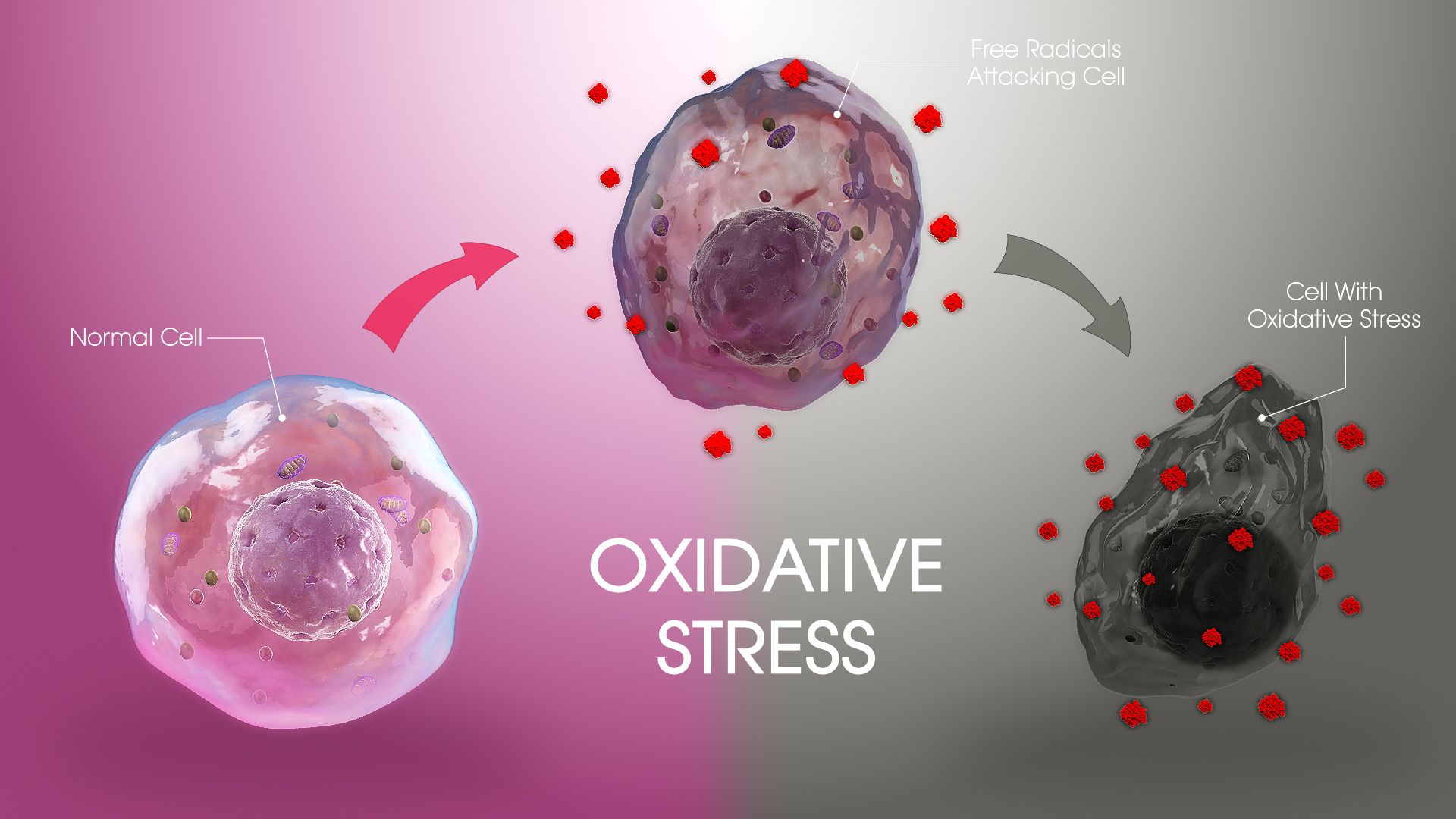
- Oxidative stress: Arsenic and heavy metals in water can generate free radicals, damaging DNA in colon cells over time. Chronic oxidative damage is a well-documented precursor to colorectal cancer.
- Microbiome disruption: Microplastics may alter the balance of gut bacteria, which play a critical role in immune function and inflammation. Emerging research suggests an unhealthy microbiome increases susceptibility to colorectal tumors.
Dr. Marie-Noëlle Martinez, a toxicologist at Inserm, emphasized that the risks are likely cumulative: “Consuming bottled water with low levels of these contaminants over decades may not cause immediate harm, but the combined exposure could tip the balance toward cancer development in vulnerable individuals.”
Regulatory Gaps: Why Europe’s Bottled Water Standards Lag Behind
Unlike tap water, which is subject to strict EU regulations under the Drinking Water Directive, bottled water falls under the Natural Mineral Waters Directive, which allows for higher contaminant thresholds. For example, the EU permits up to 10 micrograms per liter of arsenic in bottled water, while the WHO recommends a maximum of 1 microgram per liter.
This discrepancy has led to criticism from public health advocates. The European Environment Agency (EEA) noted in a 2023 report that only 12% of EU member states enforce PFAS limits in bottled water, despite the chemicals being ubiquitous in packaging materials. “The current framework treats bottled water as a luxury product rather than a public health necessity,” said a spokesperson for the EEA.
What Should Consumers Do? Expert Recommendations
While the risks are not yet definitive, health authorities and experts offer these precautions:
- Check labels: Look for brands that explicitly test for and disclose PFAS, arsenic, and microplastic levels. Some companies, like Fiji Water and Essentia Water, publish third-party lab reports on their websites.
- Reduce reliance on bottled water: The WHO estimates that tap water is often safer than bottled water in developed nations, provided local treatment meets standards. In France, tap water is tested daily and meets EU safety thresholds.
- Use filters: Activated carbon filters can reduce PFAS and microplastics. The Nestlé Waters subsidiary has partnered with filter companies to offer in-home solutions.
- Advocate for transparency: Consumer groups are pushing for mandatory labeling of contaminants in bottled water, similar to nutrition labels on food. A petition to the European Commission has already gathered over 200,000 signatures.
Next Steps: What’s Happening in Europe and Beyond?
ANSES is expected to release its preliminary assessment by October 15, 2024, with a final report due in early 2025. If the agency recommends stricter limits, the European Commission could propose amendments to the Natural Mineral Waters Directive as early as 2025. Meanwhile, the European Food Safety Authority (EFSA) is reviewing new data on microplastics in food and water, with a report anticipated in late 2024.
In the U.S., the EPA has proposed new PFAS limits in drinking water, but bottled water remains largely unregulated at the federal level. Advocates argue that without uniform standards, consumers lack the information needed to make safe choices.
Key Takeaways: What You Need to Know
- Contaminants like PFAS and microplastics in bottled water are linked to colorectal cancer risk through endocrine disruption and oxidative stress.
- European regulations allow higher contaminant levels in bottled water than in tap water, creating a safety gap.
- No bottled water brand has been definitively linked to cancer cases, but emerging science suggests long-term exposure may pose risks.
- Consumers can reduce risks by choosing brands with transparent testing, using filters, and staying informed on regulatory updates.
- The next critical checkpoint is ANSES’s October 2024 assessment, which could trigger EU-wide changes to bottled water standards.
For the latest updates on bottled water safety, monitor announcements from ANSES, the EFSA, and the WHO. If you have concerns about your water source, contact your local health department for testing recommendations.
Dr. Helena Fischer is a physician and health journalist with an MD from Charité – Universitätsmedizin Berlin. She specializes in public health policy and medical innovation, with a focus on making complex scientific findings accessible to global audiences.
Have questions about bottled water safety or regulatory responses? Share your thoughts in the comments below or connect with us on Twitter and LinkedIn for updates.
Keep reading
- The Dental Profession and Allied Health Services: Understanding Modern Care Coordination
- 5 Best Foods for Bone Health (Beyond Milk) to Prevent Osteoporosis
- Smoking & Heart Disease: The Hidden Cardiovascular Risks Smokers Ignore (archyworldys.com)
- Prenatal Stress Linked to Altered Brain Networks in Toddlers (time.news)