Egyptian Pound Gains Ground Against the US Dollar: A Look at Market Shifts
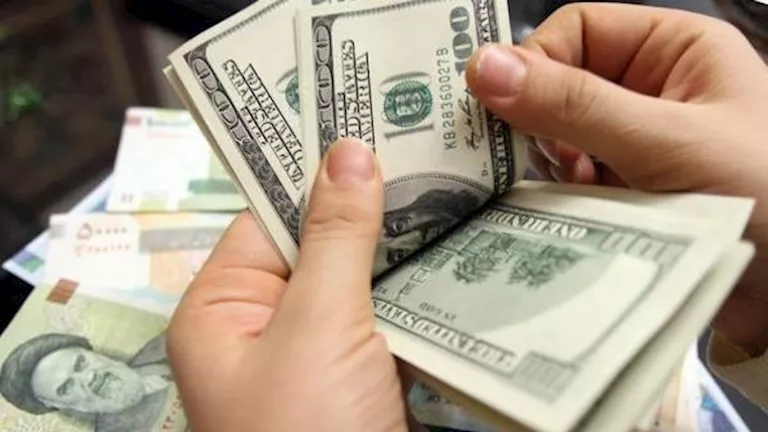
Cairo – In a notable shift for the Egyptian economy, the US dollar experienced a decline against the Egyptian pound across nine banks on Tuesday, March 10, 2026. This marks the first time the dollar has weakened against the pound since the beginning of the year, signaling a potential turning point in the currency exchange rate. The fluctuations, ranging from 4 piasters to 86 piasters, reflect a complex interplay of economic factors and market sentiment. Understanding these shifts is crucial for businesses, investors, and individuals alike navigating Egypt’s financial landscape.
The Egyptian pound has faced significant pressure in recent years, driven by factors including inflation, foreign debt obligations, and geopolitical instability. The Central Bank of Egypt (CBE) has implemented various measures to stabilize the currency, including interest rate hikes and restrictions on foreign currency transactions. However, these measures have had mixed results, and the black market for US dollars has often offered significantly different exchange rates than those available through official channels. The recent strengthening of the pound suggests a possible easing of these pressures, though the sustainability of this trend remains to be seen. Egypt’s economic outlook is closely tied to its ability to attract foreign investment and boost its export sector.
Bank-by-Bank Breakdown of Exchange Rates
Data published by individual banks reveals the extent of the dollar’s decline. Here’s a detailed look at the exchange rates as of the close of business on March 10, 2026:
- National Bank of Egypt (NBE): 51.94 Egyptian pounds for purchase, 52.04 Egyptian pounds for sale, a decrease of 79 piasters for both buying and selling.
- Bank Misr: 51.94 Egyptian pounds for purchase, 52.04 Egyptian pounds for sale, a decrease of 80 piasters for both buying and selling.
- Banque du Caire: 51.93 Egyptian pounds for purchase, 52.03 Egyptian pounds for sale, a decrease of 80 piasters for both buying and selling.
- Commercial International Bank (CIB): 51.94 Egyptian pounds for purchase, 52.04 Egyptian pounds for sale, a decrease of 80 piasters for both buying and selling.
- Bank of Suez: 51.94 Egyptian pounds for purchase, 52.04 Egyptian pounds for sale, a decrease of 86 piasters for both buying and selling.
- Bank Al Baraka: 51.9 Egyptian pounds for purchase, 52 Egyptian pounds for sale, a decrease of 83 piasters for both buying and selling.
- Credit Agricole: 51.9 Egyptian pounds for purchase, 52 Egyptian pounds for sale, a decrease of 80 piasters for both buying and selling.
- Alexandria Bank: 51.94 Egyptian pounds for purchase, 52.04 Egyptian pounds for sale, a decrease of 80 piasters for both buying and selling.
- Housing and Development Bank: 51.94 Egyptian pounds for purchase, 52.04 Egyptian pounds for sale, an *increase* of 1.85 Egyptian pounds for both buying and selling – an outlier in the overall trend.
- Abu Dhabi Islamic Bank (ADIB): 52.76 Egyptian pounds for purchase, 52.86 Egyptian pounds for sale, a decrease of 4 piasters for both buying and selling.
The variation in exchange rates across different banks highlights the dynamic nature of the Egyptian foreign exchange market. The increase at Housing and Development Bank is an anomaly and warrants further investigation to understand the specific factors driving this divergence.
Factors Contributing to the Pound’s Appreciation
Several factors may be contributing to the recent strengthening of the Egyptian pound. According to a recent report by Fintechgate, Egypt is currently the leading video game market in the region, generating $1.1 billion in revenue. This influx of foreign currency from the gaming sector could be providing some support to the pound.
a recent report by Properti Plus indicates that Mashareq Real Estate Investment secured a 1 billion Egyptian pound syndicated loan for its ZAG project in New Cairo. This injection of capital from a banking consortium led by the National Bank of Egypt suggests continued confidence in the Egyptian real estate market and could contribute to economic stability.
the expansion of digital financial services, as announced by Fintechgate, with Banknbox Egypt strengthening its position in SoftPOS solutions, indicates a growing sophistication in the Egyptian financial technology sector. This modernization can attract foreign investment and improve the efficiency of financial transactions.
Implications for the Egyptian Economy
A stronger pound has several potential benefits for the Egyptian economy. It can reduce the cost of imports, helping to curb inflation. It can also create Egyptian exports more competitive in international markets. However, it’s important to note that a rapidly appreciating currency can also harm export-oriented industries by making their products more expensive for foreign buyers.
The impact on inflation will be a key area to watch. Egypt has been grappling with high inflation rates for some time, and a stronger pound could help to alleviate some of that pressure. However, other factors, such as global commodity prices and domestic supply chain issues, will also play a role. The Central Bank of Egypt will likely continue to monitor the situation closely and adjust its monetary policy as needed.
For consumers, a stronger pound means increased purchasing power. Imported goods will become cheaper, and the cost of living may decrease. However, the benefits may not be immediately felt, as businesses may grab time to adjust their pricing strategies.
Looking Ahead
The recent appreciation of the Egyptian pound is a positive development, but it’s too early to say whether this trend will be sustained. The Egyptian economy faces numerous challenges, including high levels of debt, a large current account deficit, and political instability. The outcome of ongoing negotiations with the International Monetary Fund (IMF) will also be a crucial factor. The IMF is currently reviewing Egypt’s economic reform program and is expected to release the next tranche of a $3 billion loan if This proves satisfied with the progress made.
The next key economic indicator to watch will be the CBE’s monetary policy committee meeting scheduled for [Date of next CBE meeting – *requires verification*]. Analysts will be looking for signals about the central bank’s future intentions regarding interest rates and exchange rate policy.
What are your thoughts on the recent changes in the exchange rate? Share your comments below and let us realize how this impacts you.