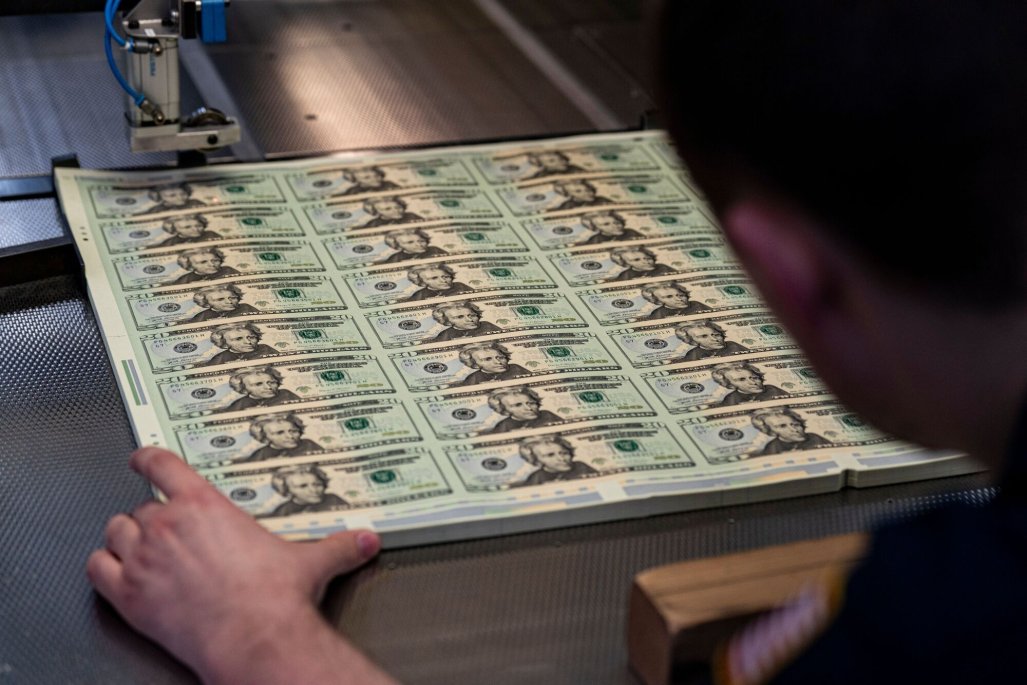
The dollar strengthened on Wednesday as unexpectedly high U.S. Producer price data coincided with escalating tensions in the Middle East, all unfolding just hours before the Federal Reserve’s highly anticipated monetary policy decision. These factors combined to fuel investor uncertainty and a flight to the relative safety of the U.S. Currency. The interplay between inflation concerns, geopolitical risks, and the Fed’s potential response is creating a complex landscape for global markets.
The strengthening dollar is impacting currency valuations worldwide. Market analysts are closely watching how these developments will influence the Fed’s stance on interest rates and its broader economic outlook. A more hawkish tone from the Fed, signaling a commitment to combating inflation, could further bolster the dollar, even as a dovish approach might see it retreat. The situation is particularly relevant for emerging markets, where a stronger dollar can exacerbate debt burdens and capital outflows.
Producer Price Index Surprises, Fueling Inflation Concerns
The catalyst for the dollar’s initial rise was the release of the February Producer Price Index (PPI) data. The PPI, which measures wholesale prices, climbed 0.7% in February, exceeding economists’ expectations of a 0.4% increase. The Bureau of Labor Statistics reported that the core PPI, excluding volatile food and energy components, rose 0.5%, also above the anticipated 0.3%. This suggests that inflationary pressures may be more persistent than previously thought, potentially complicating the Fed’s efforts to achieve its 2% inflation target.
This unexpected jump in wholesale prices raises concerns that inflation could filter down to consumer prices in the coming months. While the Fed has signaled a willingness to remain patient, sustained inflationary pressures could force the central bank to reconsider its timeline for potential interest rate cuts. The PPI data adds to a mixed bag of economic indicators, making the Fed’s decision-making process even more challenging.
Middle East Tensions Add to Market Volatility
Adding to the dollar’s strength were escalating tensions in the Middle East. Reports that Iran designated a series of energy assets in the Persian Gulf as “legitimate targets” following an Israeli attack on the South Pars refinery in southern Iran sent oil prices soaring. Reuters reported that the South Pars refinery is located near the world’s largest natural gas field. Brent crude oil futures jumped 5.5% to $109 per barrel, intensifying concerns about supply disruptions and further fueling inflationary pressures.
The potential for a wider conflict in the region is a significant risk for the global economy. Disruptions to oil supplies could lead to higher energy prices, impacting businesses and consumers worldwide. The geopolitical uncertainty is also prompting investors to seek safe-haven assets, such as the U.S. Dollar, further driving up its value. The situation remains fluid and highly sensitive, with the potential for further escalation.
Federal Reserve Poised to Announce Policy Decision
All eyes are now on the Federal Open Market Committee (FOMC) as it prepares to announce its policy decision at 15:00 (Chile time) on Wednesday. While most analysts expect the Fed to hold interest rates steady, the accompanying statement and updated Summary of Economic Projections (SEP) will be closely scrutinized for clues about the central bank’s future intentions. The SEP provides insights into the Fed’s forecasts for economic growth, inflation, and unemployment, as well as its expectations for future interest rate movements.
Experts anticipate that the Fed will likely adopt a cautious tone, acknowledging the risks posed by both inflation and geopolitical tensions. The Federal Reserve Board will likely emphasize the demand to remain data-dependent and will refrain from providing firm guidance on the timing of potential rate cuts. MUFG’s Head of Studies, Derek Halpenny, suggests that the Fed will likely reiterate that We see too early to draw definitive conclusions about the impact of the conflict in the Middle East on the economy.
Halpenny further anticipates that the FOMC will not alter its “dot plot,” which indicates expectations for rate cuts in 2026 and 2027. He believes that the Fed will emphasize that the current situation differs from the energy crisis of 2022 and that the central bank has more time to assess the evolving context. This suggests a preference for a wait-and-see approach, allowing the Fed to gather more data before making any significant policy adjustments.
Impact on Chile and Latin America
The strengthening dollar also has implications for Latin American economies, including Chile. The Chilean peso depreciated against the dollar, reaching 913.2 pesos per dollar, with a peak of 917 pesos earlier in the day. A stronger dollar typically makes imports more expensive for Chile, potentially contributing to inflationary pressures. However, it can also benefit Chilean exporters by making their products more competitive in international markets.
Chile’s central bank reported that the country’s GDP grew by 1.6% year-on-year in the fourth quarter of 2025, slightly below market consensus. The Central Bank of Chile also reported an unexpected current account surplus in the same quarter. These economic indicators provide a mixed picture of Chile’s economic performance, highlighting the challenges and opportunities facing the country.
Key Takeaways
- The dollar strengthened due to higher-than-expected U.S. Producer price data and escalating tensions in the Middle East.
- The Federal Reserve is expected to hold interest rates steady but will provide updated economic projections and guidance on its future policy path.
- Geopolitical risks and inflationary pressures are key factors influencing market sentiment and the Fed’s decision-making process.
- A stronger dollar can have both positive and negative consequences for Latin American economies, including Chile.
The Fed’s announcement later today will be crucial in shaping market expectations and determining the future trajectory of the dollar. Investors will be closely analyzing the statement and SEP for any signals about the Fed’s willingness to tolerate higher inflation or to prioritize economic growth. The situation remains highly dynamic, and further developments in the Middle East could significantly impact the global economic outlook.
Looking ahead, market participants will be closely monitoring inflation data, geopolitical developments, and the Fed’s communication for further clues about the future direction of monetary policy. The interplay between these factors will continue to drive volatility in financial markets and shape the global economic landscape. Stay tuned for further updates as the situation unfolds.
Related reading