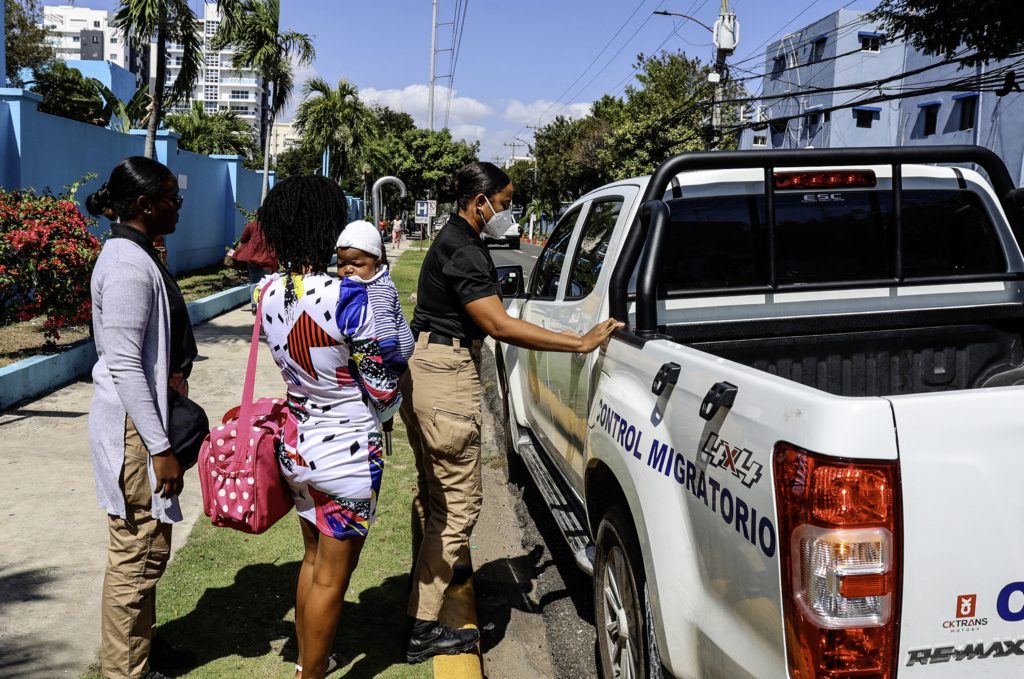
Dominican Republic’s health Protocol Endangers Lives, Fuels Discrimination Against Haitians & Haitian Descendants
The Dominican Republic’s recent implementation of a migration protocol within public hospitals is creating a risky barrier to healthcare access for Haitians and Dominicans of Haitian descent, with possibly devastating consequences for public health. A new report by Amnesty International details how this policy, framed as a “security” measure, is actively undermining HIV treatment, preventative care, and basic medical services, and exacerbating existing racial discrimination. This analysis will delve into the specifics of the protocol, its impact, and the urgent need for its revocation.
The Protocol: A System of Fear and Reporting
Effective as October 2024, the protocol mandates that public hospital staff register the immigration status of all patients and report “foreigners” to the authorities. While Dominican officials justify this as a necessary step for law enforcement and national security, human rights organizations, including Amnesty International, argue it fundamentally violates the right to health and fosters a climate of fear. This fear is particularly acute within the Haitian community, both documented and undocumented, and extends to dominicans of Haitian descent who already face systemic discrimination.
A Critical Blow to HIV/TB Control & Public Health
The timing of this protocol is particularly alarming given the ongoing health crisis in Haiti and the existing challenges in controlling infectious diseases.For years, many Haitians relied on HIV treatment programs supported by international aid. However, significant reductions in this aid, coupled with the new protocol, are creating a perfect storm.
The report highlights a chilling effect: individuals are actively avoiding hospitals for fear of deportation, even when facing life-threatening conditions. This directly impacts:
* HIV Treatment & Prevention: Disruptions in treatment lead to increased viral loads, higher transmission rates, and the potential for drug resistance. Prevention efforts, reliant on consistent access to healthcare, are severely hampered.
* Tuberculosis Control: Similar to HIV, consistent treatment is crucial for controlling tuberculosis. Fear of reporting discourages testing and adherence to treatment regimens, potentially leading to outbreaks.
* Maternal & Child Health: The protocol increases the risk of unassisted births, leading to higher maternal and infant mortality rates. Pregnant women, particularly vulnerable, are hesitant to seek prenatal care.
* Overall Public Health: By discouraging individuals from seeking care for any illness, the protocol undermines the health of the entire population, increasing the risk of outbreaks and preventable deaths.
Discriminatory Impact & systemic Racism
Amnesty International’s inquiry concludes that the protocol has a demonstrably discriminatory and racist effect. It institutionalizes unequal treatment based on national origin and ethnicity, targeting a vulnerable population already marginalized within Dominican society.This isn’t an isolated incident; it’s part of a broader pattern of structural racial discrimination documented by Amnesty International’s #AntiracistDR campaign.
“The migration protocol in public hospitals is not built on evidence or respect for human rights. It puts up obstacles for Haitians trying to get health services and institutionalizes discriminatory treatment against Haitians and Dominicans of Haitian descent. But it also jeopardizes the health of everyone living in the country,“ states diego Vázquez, a researcher at Amnesty International. This underscores the core issue: the protocol isn’t about public safety; it’s about reinforcing existing prejudices and creating a unfriendly habitat for a specific community.
Mass Deportations & International concerns
The implementation of this protocol coincides with a dramatic increase in deportations of Haitians. Since October 2024, over 300,000 Haitians, including pregnant women and children, have been forcibly returned to Haiti, a nation grappling with a severe humanitarian and security crisis. This mass expulsion policy directly contradicts recommendations from the UNHCR (United Nations High Commissioner for Refugees) urging a halt to forcible returns. The combination of deportations and restricted healthcare access creates a deeply concerning situation, potentially fueling further instability and suffering.
The Path Forward: Revocation & Systemic change
Amnesty International is urgently calling on President Luis Abinader and Dominican authorities to:
* Immediately revoke the migratory protocol forcing hospitals to register and report patients’ immigration status.
* Guarantee the right to health for all individuals, regardless of nationality, ethnicity, or migratory status.
* Halt deportations of Haitians and dominicans of Haitian descent, particularly vulnerable populations like pregnant women and children.
* Implement administrative, political, and legal measures to combat racial discrimination and ensure equitable access to healthcare.
* Protect human rights defenders working to promote equality and non-discrimination.
Expert Perspective & Long-Term Implications
This situation demands a shift in perspective. Treating healthcare as
Worth a look