
President Donald Trump has signaled an intention to escalate military pressure on Iran, stating that the United States will be “attacking them very hard” following a recent resumption of strikes in the region. This aggressive stance follows earlier comments from the President suggesting that a diplomatic agreement to resolve ongoing Middle East conflicts was approaching.
The shift in rhetoric highlights a dual-track approach in the administration’s foreign policy, balancing the possibility of a negotiated peace with the threat of intensified kinetic military operations. While the President previously indicated that a deal to end regional hostilities was near, his latest comments emphasize a readiness to use significant force against Iranian interests and proxies.
What are the details of Donald Trump’s pledge against Iran?
During recent remarks, President Donald Trump indicated that the United States is prepared to increase its military engagement with Iran. He specifically stated that the U.S. would be “attacking them very hard,” a phrase that suggests a move toward more decisive or large-scale military operations rather than the targeted strikes often used against proxy groups.
This pledge comes amid heightened tensions in the Middle East, where U.S. military presence has been active in response to regional instability. Analysts suggest the President’s language is intended to project “maximum pressure,” a policy framework used by his administration to compel Iran to renegotiate its nuclear program and cease support for regional militias.
The administration’s stance appears to be a response to recent military developments. While the specific targets of the “resumed strikes” mentioned in recent reports have not been fully detailed by the Pentagon, they are widely understood to involve operations against Iranian-backed groups in Iraq, Syria, or Yemen. The U.S. Central Command (CENTCOM) has previously conducted strikes against these entities to deter attacks on American personnel and regional allies.
How does this impact existing peace negotiations?
The President’s comments have created a sense of contradiction regarding the administration’s ultimate goal in the Middle East. Earlier this week, Trump suggested that a deal to end the current cycle of violence was “near,” signaling a potential move toward de-escalation and diplomatic resolution.
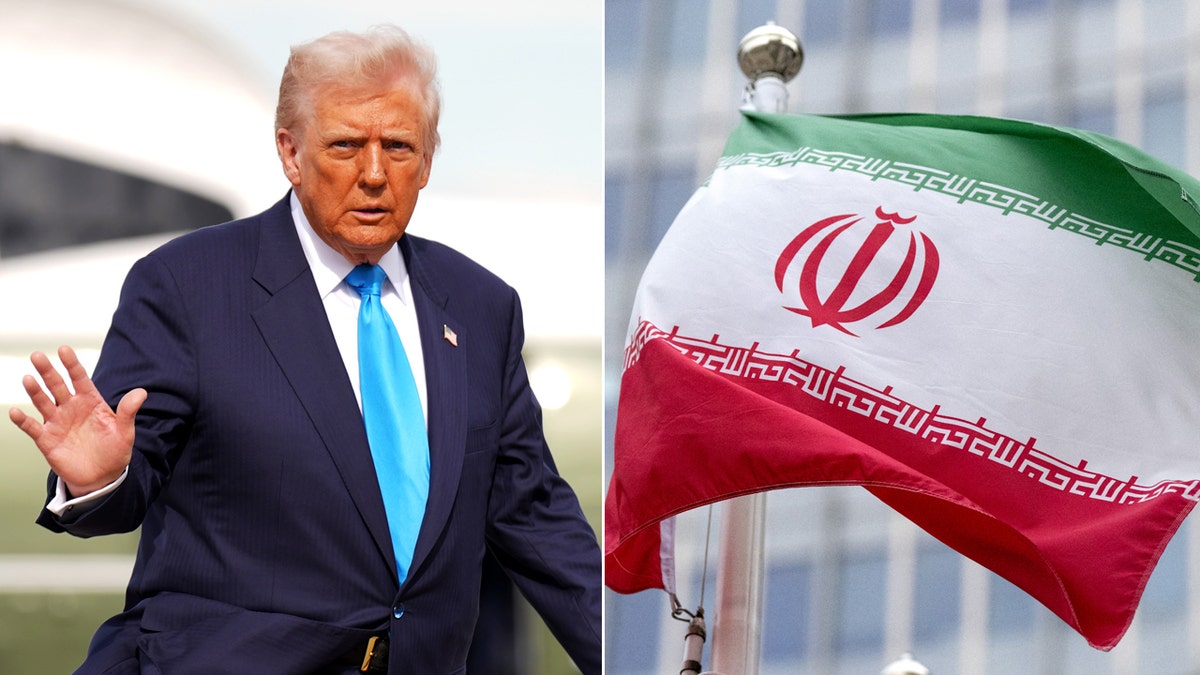
The tension between these two positions—pursuing a deal while simultaneously promising “hard” attacks—is a hallmark of the administration’s negotiation strategy. By pairing diplomatic optimism with the threat of military escalation, the U.S. aims to increase the cost of non-compliance for Iranian leadership.
The impact of this approach on regional stakeholders includes:
- Iran: The government faces increased pressure to either make concessions in nuclear or proxy-related negotiations or prepare for direct military confrontation.
- Regional Allies: Nations such as Israel and Saudi Arabia are monitoring whether the U.S. will move from proxy containment to direct state-on-state engagement.
- Global Markets: Sudden shifts between “peace deals” and “hard attacks” often trigger volatility in global oil prices due to fears of supply disruptions in the Strait of Hormuz.
Comparison of Administration Rhetoric
The following table compares the two conflicting signals provided by the President regarding regional stability and Iranian policy.
| Policy Angle | Stated Objective | Primary Method | Recent Communication |
|---|---|---|---|
| Diplomatic Track | Ending regional wars and instability. | Negotiated settlements and “deals.” | Claimed a deal is “near.” |
| Military Track | Deterring Iranian aggression and proxy activity. | “Attacking very hard” and kinetic strikes. | Pledged increased military pressure. |
What triggered the resumption of strikes in the region?
The resumption of military strikes follows a period of heightened activity by Iranian-aligned groups targeting international shipping and military installations. While the White House has not released a comprehensive list of recent targets, military observers note that recent operations have focused on neutralizing the capabilities of groups that threaten the security of the Red Sea and the Persian Gulf.
The “resumption” of these strikes suggests a shift in the tempo of U.S. operations. This change in pace is often a reaction to specific provocations, such as drone launches or missile tests by proxy forces. By increasing the frequency of these strikes, the U.S. seeks to signal that the cost of continued regional disruption will rise.
The geopolitical context is further complicated by the ongoing conflict in Gaza and Lebanon, which has drawn Iran’s attention and resources toward its “Axis of Resistance.” The U.S. military’s decision to resume strikes is seen by many as a move to prevent these regional conflicts from expanding into a direct, large-scale war between the United States and the Iranian state.
Frequently Asked Questions
Is the United States planning a direct war with Iran?
The President has not officially declared war, but his language regarding “attacking them very hard” indicates a high level of readiness for significant military action. The administration currently maintains a policy of using both military pressure and diplomatic channels to achieve its objectives.
What does “attacking them very hard” mean in a military context?
While the term is political rhetoric, in a military context, it typically implies a shift from small-scale, precision strikes against specific leaders or assets to more expansive operations targeting infrastructure, command-and-control centers, or broader military capabilities.
Why did the President say a deal was near if he is promising attacks?
This is a strategic approach often referred to as “coercive diplomacy.” The goal is to use the threat of military force to make the diplomatic option more attractive to the opposing party, thereby forcing them to the negotiating table.
The next major checkpoint for this situation will be the upcoming scheduled briefings from the Department of Defense and any subsequent statements from the State Department regarding the status of diplomatic communications with Middle Eastern intermediaries.
What are your thoughts on this shift in U.S. policy? Do you believe military pressure will lead to a deal, or further escalation? Let us know in the comments below and share this article with your network.
Keep reading
- Renowned Taiwan Attorney Chang Chun-lun Passes Away at 62: Legal Community Mourns
- Vic Deal & Denzel L. Jackson: NO TIREN La Mala Un Video
- Trump Administration Begins Systematic Appropriation of Japanese Manga (newsdirectory3.com)
- BP Q2 Profit Hits $5.7 Billion Amid Trump Criticism of Big Oil Windfalls (time.news)