
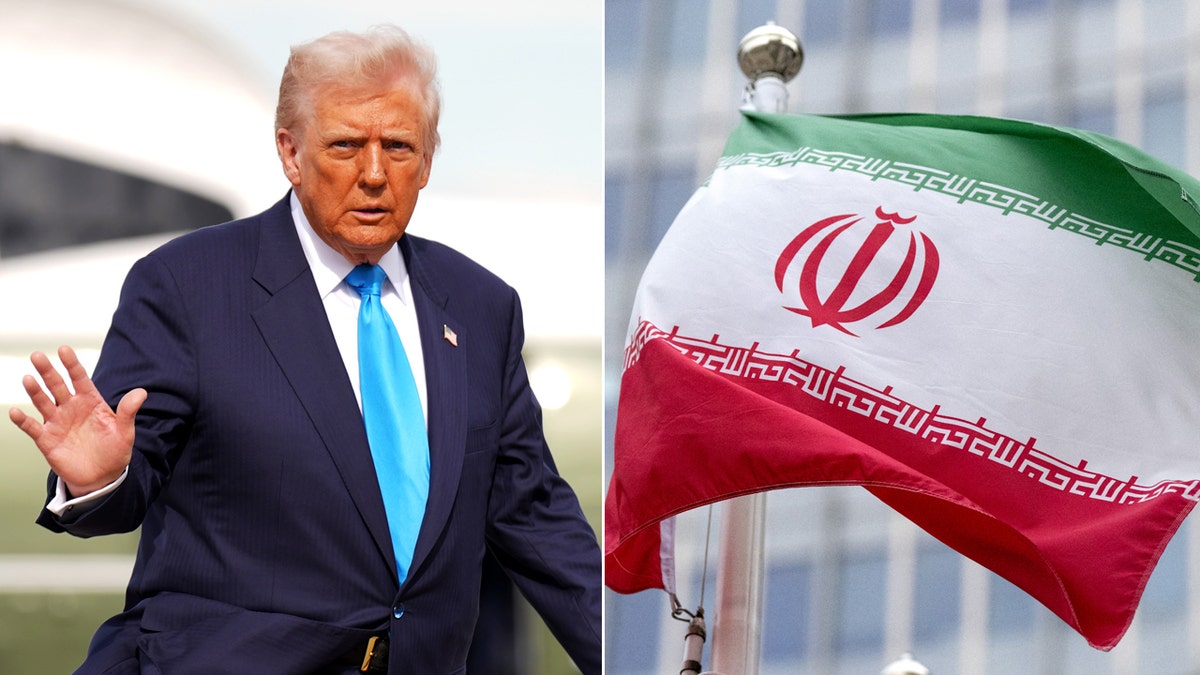
United States military and diplomatic officials continue to monitor tensions in the Middle East following a series of high-profile statements regarding potential strikes against Iran. While rhetoric from Washington has periodically signaled the possibility of direct military action, analysts emphasize that such declarations must be weighed against established geopolitical constraints and the complexities of regional defense alliances. The current situation remains defined by a fragile balance between deterrence messaging and the avoidance of unintended escalation.
The geopolitical landscape involving the U.S. and Iran is heavily influenced by a history of incidents involving military assets in the Persian Gulf and surrounding regions. According to reports from the U.S. Department of Defense, maintaining maritime security and protecting personnel remains a primary objective for the Central Command (CENTCOM). These security protocols are designed to address threats to navigational freedom and the safety of coalition forces operating in international waters.
Strategic Context of U.S.-Iran Military Relations
The relationship between Washington and Tehran has been characterized by intermittent periods of heightened friction. Central to these tensions are concerns over regional proxy activities and the security of critical energy transit corridors, such as the Strait of Hormuz. Data from the U.S. Energy Information Administration highlights that this maritime chokepoint carries approximately 20% of the world’s total petroleum consumption, making it a focal point for global economic stability and military posturing.
When evaluating the likelihood of direct kinetic engagement, experts often point to the distinction between public political communication and operational military planning. The Congressional Research Service notes that U.S. policy toward Iran generally utilizes a “maximum pressure” framework, which combines economic sanctions with the strategic positioning of naval and air assets to signal resolve without necessarily seeking an open-ended conflict.
Evaluating Claims of Military Escalation
Recent public discourse regarding potential strikes often follows reported incidents involving military hardware or personnel. However, independent verification of specific claims—such as the status of individual pilots or the alleged downing of specific aircraft—often reveals the difficulty of confirming details in real-time. In many instances, the Pentagon conducts formal investigations to determine the cause of equipment loss, which can take weeks or months to finalize.

A recurring challenge in covering these developments is the speed at which unverified information circulates. During periods of high tension, statements made on social media platforms or in non-official briefings often lack the corroboration provided by official Air Forces Central or Department of Defense press releases. Reliable reporting requires waiting for official confirmation before characterizing an incident as a confirmed act of war or a technical failure.
The Role of International Diplomacy
Beyond the immediate military maneuvers, the broader international community plays a significant role in mitigating the risk of full-scale conflict. European powers, including the United Kingdom, France, and Germany, have historically acted as intermediaries to prevent the collapse of diplomatic channels. According to the European External Action Service, maintaining the Joint Comprehensive Plan of Action (JCPOA) framework—or its successor diplomatic efforts—remains a priority for regional security.
The impact of this ongoing friction is felt most acutely by regional partners who operate in close proximity to both U.S. and Iranian forces. These nations often advocate for de-escalation, fearing that any military miscalculation could lead to widespread regional instability. The United Nations Security Council frequently holds briefings on these developments, providing a platform for member states to call for restraint and adherence to international law.
What Happens Next?
The trajectory of U.S.-Iran relations remains subject to the outcomes of ongoing diplomatic backchannels and the internal political requirements of both nations. Observers should monitor official transcripts from the White House Press Office and the Department of Defense for any shifts in policy or confirmed changes in force posture. These official channels serve as the most accurate indicators of whether rhetoric will transition into state-sanctioned military action.
Public interest in these developments is high, as the potential for conflict carries significant consequences for global energy prices and international security. Readers are encouraged to verify claims through official government portals and established, non-partisan news organizations. We will continue to track these developments as new, confirmed data becomes available from official briefings and recognized international monitoring bodies.
We welcome your perspectives on how regional stability affects your local community. Please share your thoughts or questions in the comments section below.
Worth a look