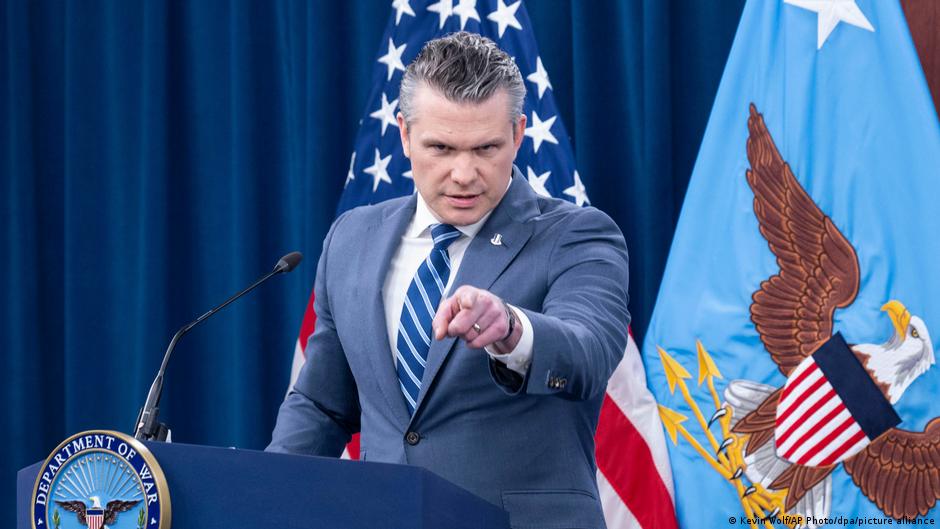
Former President Donald Trump reacted sharply to a question from a journalist regarding the potential use of nuclear weapons against Iran, calling the inquiry “stupid” during a recent public appearance. The exchange occurred amid ongoing diplomatic tensions between the United States and Iran, particularly concerning Tehran’s nuclear program and regional influence. Trump’s response underscored his long-standing position that nuclear weapons should not be used in any conflict, a stance he has reiterated across multiple interviews and public statements.
The incident drew attention not only for the former president’s tone but also for the broader context of U.S. Policy toward Iran. Even as Trump has previously claimed that Iran seeks to make a deal with the United States, he has also emphasized that any negotiations must prevent Tehran from acquiring nuclear capabilities. His rejection of nuclear options aligns with public statements from current administration officials, who have denied considering such measures despite heightened rhetoric in some quarters.
According to verified reports, Trump dismissed the idea of using nuclear weapons in Iran as both unnecessary and morally unacceptable. He stated that such arms “must never be used,” reinforcing a consistent message across his public appearances. This position contrasts with speculation in certain media outlets about potential escalation pathways, though no credible evidence suggests active planning for nuclear deployment by U.S. Forces.
White House officials have publicly clarified that no discussions are underway regarding the employment of nuclear weapons in Iran. These statements come amid broader efforts to manage regional instability through diplomatic and economic channels rather than military escalation. The administration continues to monitor Iran’s nuclear activities closely, particularly uranium enrichment levels, while pursuing avenues for renewed engagement.
Trump further commented that addressing remnants of Iran’s nuclear infrastructure would be a “long and arduous” process, suggesting that any verification or dismantlement effort would require sustained international cooperation. He did not specify timelines but stressed that preventing nuclear proliferation remains a critical priority for U.S. Foreign policy.
The exchange highlights the sensitivity surrounding nuclear discourse in international relations, particularly when involving regions with complex geopolitical dynamics. Analysts note that even hypothetical discussions about nuclear options can significantly impact diplomatic channels and regional stability, underscoring the importance of careful rhetoric from public figures.
While Trump remains a influential voice within the Republican Party and continues to comment on foreign policy matters, he no longer holds official authority over national security decisions. Current policy directions are determined by the Biden administration, which has pursued a strategy combining deterrence, diplomacy, and alliance coordination to address challenges posed by Iran’s nuclear ambitions.
As of now, We find no scheduled bilateral talks between the United States and Iran specifically focused on nuclear de-escalation, though multilateral forums remain active. Observers advise monitoring official statements from the State Department and the International Atomic Energy Agency for verified updates on inspection access and enrichment transparency.
For ongoing developments in U.S.-Iran relations and nuclear non-proliferation efforts, readers are encouraged to consult official government releases and reputable international monitoring bodies. Share your thoughts on this topic in the comments below, and help foster informed discussion by sharing this article with others interested in global affairs.
Related reading