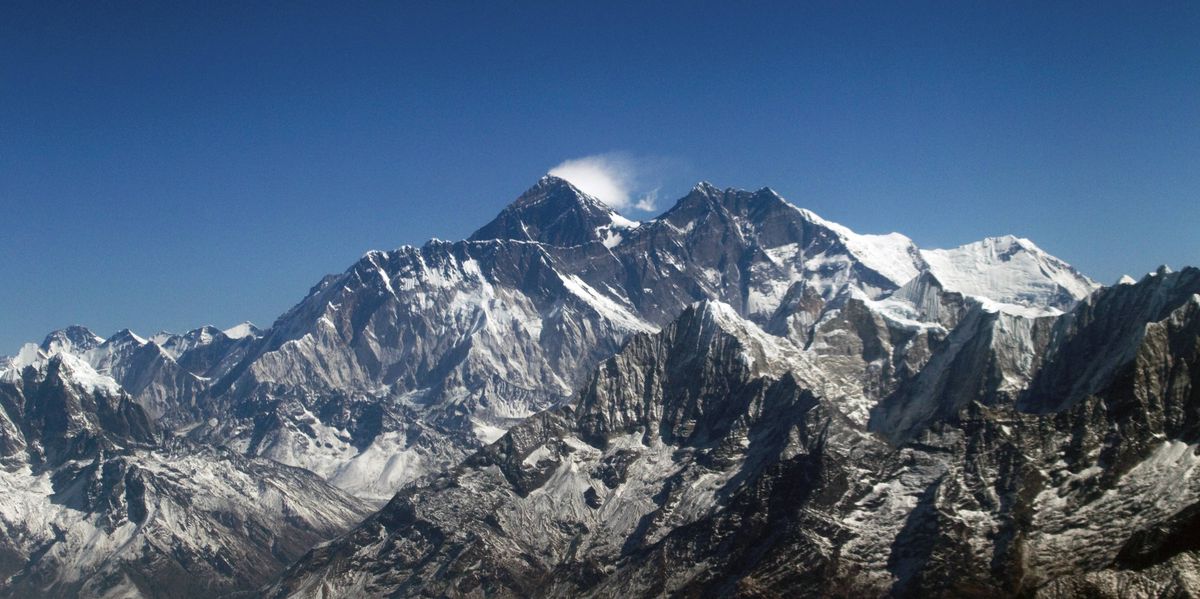
Mount Everest climbers are facing significant delays this spring as a massive ice blockage obstructs the primary route to the summit during the peak climbing season. Hundreds of expedition teams remain stranded at base camp, unable to proceed through the treacherous Khumbu Icefall where a large serac — a towering pinnacle or block of glacial ice — has shifted and blocked the established path. The obstruction has forced mountaineering teams to wait for improved conditions or alternative routing solutions, disrupting what is traditionally one of the busiest periods for Everest ascents.
The blockage, reported by multiple international news outlets, involves a substantial section of glacier that has calved and lodged across the climbing route, creating both a physical barrier and heightened safety concerns. Climbing guides and expedition leaders have expressed concern over the instability of the ice formation, noting that seracs can shift or collapse without warning, posing serious risks to anyone attempting to navigate beneath or around them. No teams have been permitted to advance beyond base camp until the route is deemed safe by experienced icefall doctors and Sherpa route specialists.
According to verified reports from BBC News, a “huge chunk of glacier” has severed access to the upper mountain, leaving climbers in limbo as they monitor weather patterns and ice movement. Similarly, The Guardian confirmed that an “ice block” has stalled hundreds of hopefuls at base camp, with expedition operators coordinating closely with local authorities and the Sagarmatha Pollution Control Committee to assess the situation. CNN also reported that glacier movement has disrupted the traditional ascent timeline, leaving many to question whether the 2026 summit window will be significantly compressed.
The Khumbu Icefall, located just above Everest Base Camp at approximately 5,500 meters, is one of the most dangerous sections of the South Col route due to its constantly shifting ice formations. Seracs form when glacial ice fractures under stress, creating vertical columns or overhanging blocks that can destabilize rapidly, especially during warmer daytime temperatures or periods of glacial acceleration. Experts note that although such obstructions are not unprecedented, their timing and scale this season have drawn particular attention due to the large number of permitted expeditions.
Nepal’s Department of Tourism issued permits for over 400 climbers to attempt Everest in the 2026 spring season, supported by hundreds of Sherpa guides, porters, and support staff. With the route blocked, logistics at base camp have become increasingly complex, involving waste management, supply conservation, and health monitoring for those enduring extended waits at altitude. Some teams have begun acclimatization rotations on nearby smaller peaks, while others remain in tents, awaiting official updates on route viability.
Icefall doctors — typically experienced Sherpa climbers tasked with fixing ropes and ladders through the Icefall each season — have been unable to establish a safe passage due to the size and position of the blockage. Their assessments are critical, as any route modification must balance accessibility with avalanche and serac-collapse risks. Until a secure path is confirmed, all upward movement remains suspended, in line with safety protocols established after past Icefall tragedies.
Weather conditions continue to play a decisive role, as colder temperatures may help stabilize the ice temporarily, while warming trends increase the likelihood of further movement or collapse. Forecasts from regional meteorological services are being consulted daily, though experts caution that predicting glacial behavior remains inherently uncertain. The window for safe summit attempts typically closes by late May as monsoon conditions approach, adding pressure to resolve the blockage quickly.
Despite the delay, morale among climbers remains cautiously optimistic, with many using the downtime to refine equipment, attend safety briefings, and strengthen team coordination. Expedition leaders emphasize that safety must take precedence over summit ambitions, particularly in an environment where conditions can change rapidly. The situation underscores the unpredictable nature of high-altitude mountaineering, where even the most meticulously planned expeditions must yield to the forces of nature.
As of now, there is no confirmed timeline for when the route might reopen. Authorities have not announced any plans for artificial intervention, such as explosives or mechanical removal, due to the extreme risks and environmental concerns associated with such actions in the fragile glacial ecosystem. Instead, reliance remains on natural stabilization and the expertise of local ice professionals.
For ongoing updates, climbers and the public are advised to monitor official communications from Nepal’s Department of Tourism and verified reports from high-altitude journalism teams on the mountain. The global mountaineering community continues to watch closely, recognizing that how this challenge is managed could influence future approaches to route safety and environmental stewardship on Everest.
Stay informed about developments on Everest and other global mountaineering events by following trusted sources that prioritize accuracy, safety, and respect for the mountains and those who climb them.
Related reading