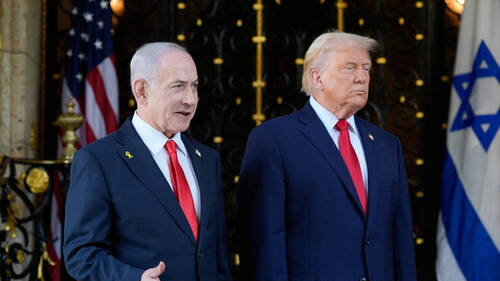
President Donald Trump has urged Israeli Prime Minister Benjamin Netanyahu to exercise significant restraint following a series of Iranian missile strikes targeting Israeli territory, according to multiple diplomatic reports. The White House’s stance appears aimed at preventing a massive regional escalation that could draw the United States into a direct and costly conflict in the Middle East.
While the relationship between the Trump administration and the Netanyahu government has often been characterized by strong strategic alignment, this latest development highlights a growing friction regarding the scale of military response. The President is reportedly pushing for a policy of containment rather than broad-scale retaliation, a move that seeks to balance Israel’s security needs with the broader goal of regional stability.
The situation remains highly volatile as Israel evaluates its options. For the international community, the primary concern is whether a massive Israeli counter-strike will trigger a multi-front war involving Hezbollah in Lebanon and direct involvement from Iran, potentially destabilizing global energy markets and security architectures.
Why the Trump Administration is Calling for Restraint
The push for restraint from Washington is rooted in a desire to avoid a “total war” scenario. Following the recent Iranian provocations, the Trump administration has signaled that while Israel has a right to defend itself, a disproportionate response could lead to an uncontrollable cycle of violence. The administration’s priority is to degrade Iranian capabilities without providing the pretext for a wider Middle Eastern conflagration.
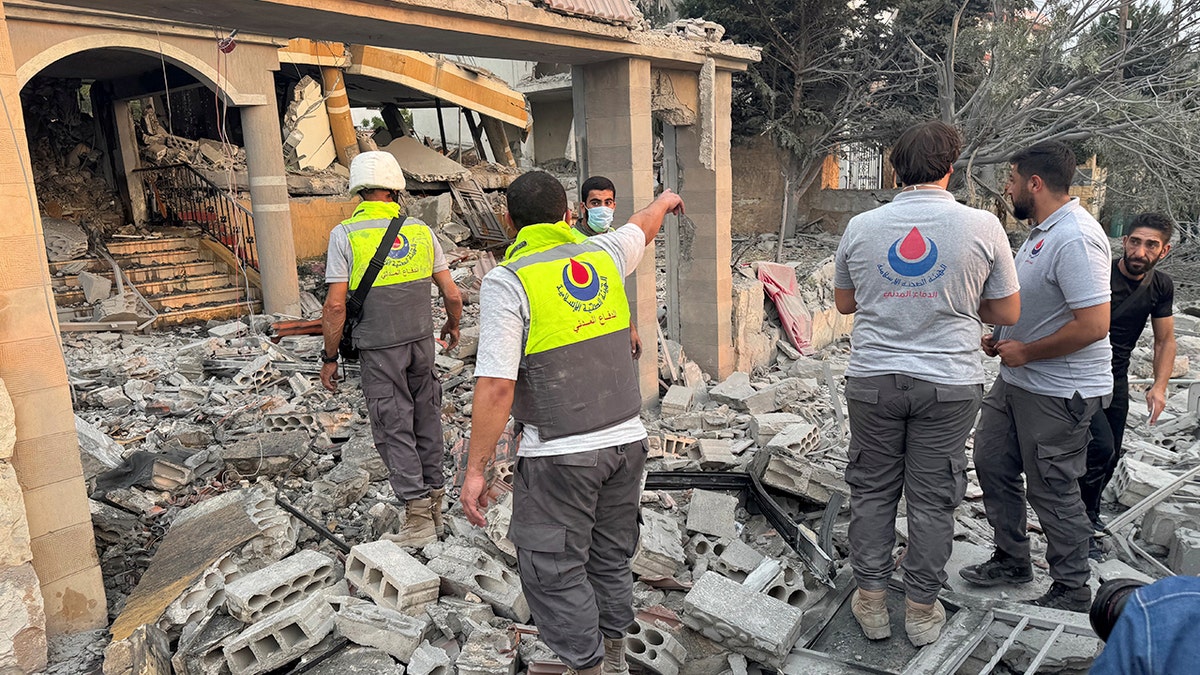
Analysts suggest that the White House is wary of the logistical and political costs of a large-scale military intervention. By advocating for a more controlled response, the administration hopes to maintain its “America First” approach, which emphasizes minimizing US military involvement in foreign conflicts unless absolutely necessary for core national interests. The current strategy appears to be one of “calibrated pressure”—hitting specific targets to deter future attacks while avoiding the opening of a new major front.
This approach also aligns with efforts to prevent the conflict from spreading to the maritime corridors of the Red Sea and the Persian Gulf, areas that are vital to global trade. Any significant disruption in these waters would have immediate and severe consequences for the global economy, an outcome the current administration is keen to avoid.
The “Surgical Strike” Doctrine in Lebanon
A key component of the President’s strategy involves the management of the northern front. Rather than engaging in a full-scale offensive against Hezbollah in Lebanon, Trump has reportedly advocated for what he describes as “surgical strikes.” This doctrine focuses on high-precision operations designed to neutralize specific Hezbollah leadership figures, weapon caches, and command centers while minimizing collateral damage and avoiding a ground invasion.
The goal of this surgical approach is twofold: first, to degrade Hezbollah’s ability to launch further rockets into northern Israel, and second, to prevent a humanitarian catastrophe in Lebanon that would necessitate a massive US-led peacekeeping or stabilization mission. By targeting only the most critical military assets, the administration hopes to send a clear message of strength to Tehran and its proxies without committing to a protracted war in the Levant.
However, implementing surgical strikes in the densely populated regions of Lebanon presents immense technical and political challenges. Critics of this approach argue that precision strikes may not be enough to deter a well-entrenched organization like Hezbollah, which has spent decades building deep-seated infrastructure throughout the country.
Testing the Trump-Netanyahu Alliance
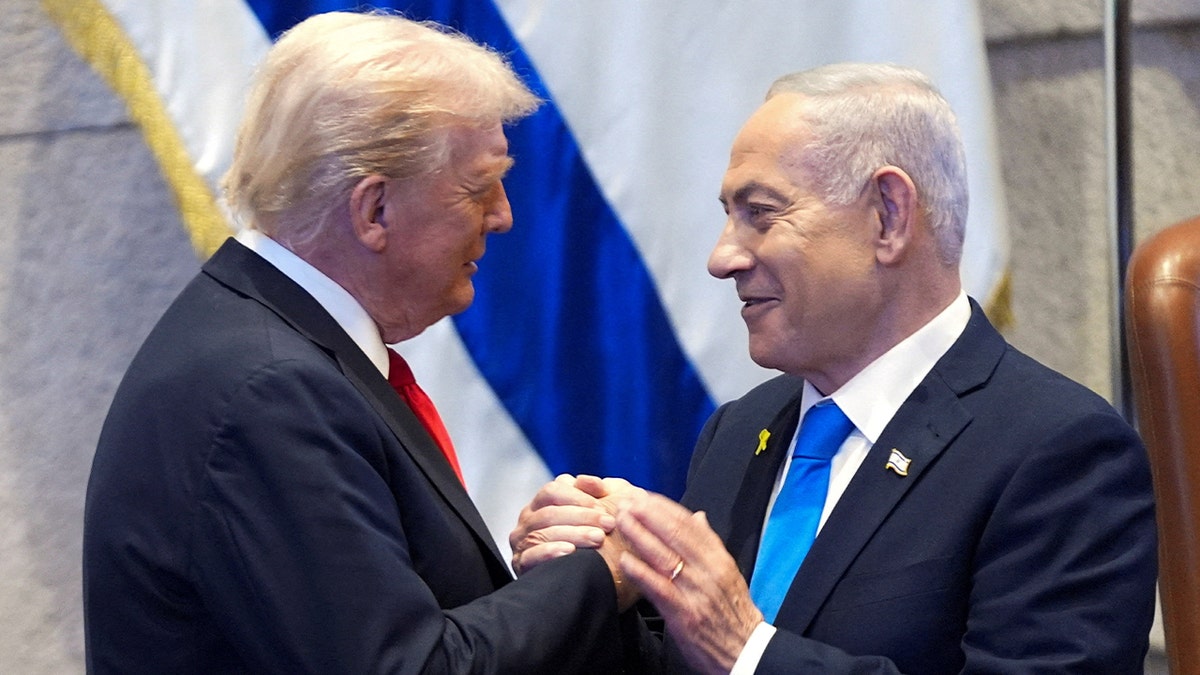
The recent tension over the Iranian response is testing the durability of the alliance between Donald Trump and Benjamin Netanyahu. While both leaders have historically presented a united front against Iranian influence in the region, their tactical disagreements are becoming more pronounced. Netanyahu has often argued that only overwhelming force can ensure Israel’s long-term survival, whereas Trump is increasingly focused on the geopolitical costs of escalation.
Observers note that the two leaders often engage in a complex diplomatic dance. While they may appear to clash in public or through private channels, their core interests often converge on the ultimate goal of neutralizing Iranian regional hegemony. The current disagreement is less about the objective and more about the method: Netanyahu favors the “hammer” of massive retaliation, while Trump is leaning toward the “scalpel” of targeted operations.
This friction highlights a broader shift in US-Israel relations, where the US is increasingly demanding that its allies align their military actions with broader American strategic goals of regional de-escalation. The ability of both leaders to manage this disagreement without damaging their political standing will be a critical test of their respective leadership in the coming months.
Comparison of Proposed Military Responses
| Feature | Broad Retaliation (Netanyahu’s Preference) | Surgical Strikes (Trump’s Preference) |
|---|---|---|
| Primary Objective | Deterrence through overwhelming force and regime destabilization. | Degradation of specific threats and containment of escalation. |
| Target Scope | Wide-ranging: military bases, infrastructure, and command centers across Iran. | Highly specific: leadership, weapon depots, and tactical assets. |
| Regional Risk | High: Risk of multi-front war and global economic disruption. | Moderate: Risk of localized escalation but lower chance of total war. |
| US Involvement | Likely to require significant US logistical and intelligence support. | Requires intelligence and precision technology, but minimal troop deployment. |
Geopolitical Implications for the Middle East
The outcome of this standoff will have profound implications for the future of Middle Eastern geopolitics. If Israel follows the Trump administration’s advice for restraint, it could signal a new era of “managed conflict” in the region, where direct confrontations are limited to calibrated, high-precision engagements. This could potentially lead to a more stable, albeit tense, status quo.

Conversely, if Israel chooses a path of broad retaliation, the world may witness the start of a regional war that reshapes borders and alliances. Such a conflict would likely force the United States to make a definitive choice between maintaining its isolationist tendencies or re-engaging in the Middle East to protect its interests and allies. The involvement of other regional powers, including Saudi Arabia and Turkey, would also become a central factor in how the conflict evolves.
Furthermore, the role of non-state actors like Hezbollah and various militias in Iraq and Yemen cannot be overlooked. A major escalation would likely see these groups activating their own agendas, potentially turning a localized conflict into a massive, multi-actor war that would be extremely difficult to contain through traditional diplomacy.
Frequently Asked Questions
- Why is the US advising Israel to be cautious? The administration wants to avoid a regional war that could draw US troops into the Middle East and disrupt global energy markets.
- What are “surgical strikes”? These are high-precision military operations aimed at specific, high-value targets to minimize broader damage and civilian casualties.
- How does this affect the US-Israel relationship? It shows a tactical divergence between the two allies, despite their shared strategic goal of countering Iran.
- What is the role of Hezbollah in this conflict? Hezbollah is a major proxy for Iran in Lebanon and could launch significant attacks on Israel if a wider war breaks out.
The situation remains fluid, with the Israeli security cabinet expected to meet in the coming days to finalize their response. We will continue to monitor official statements from the White House and the Israeli Prime Minister’s Office for further developments.
For the latest updates on this developing story, please follow World Today Journal or share this report with your network to keep others informed.
Worth a look