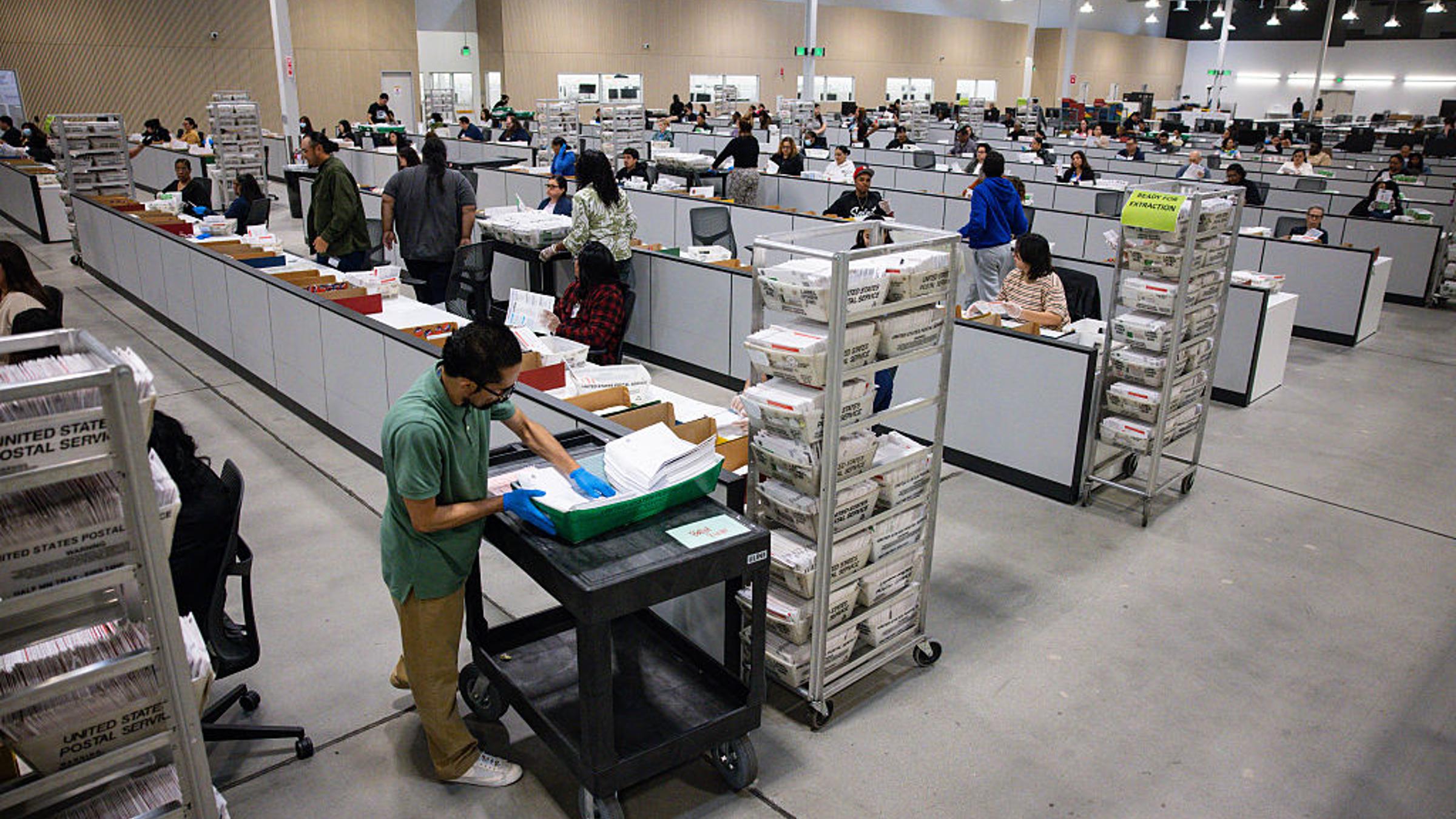
President Donald Trump alleged on Sunday that the California primary elections are “rigged,” citing the pace of the vote count and Republican candidates losing ground as mail-in ballots are processed. However, California election officials state that the delays are a standard result of the state’s intensive counting procedures, including a heavy reliance on mail-in voting and a unique “jungle” primary system.
The claims come as California continues to process millions of ballots for high-stakes races, including the contests for Governor and Mayor of Los Angeles. While unsubstantiated allegations of fraud have circulated among several high-profile figures, state authorities maintain that the current timeline is a legal and necessary part of ensuring election integrity.
Why are the California primary results being delayed?
The delay in final results stems largely from California’s specific electoral mechanics and the sheer volume of votes. The state utilizes a “jungle” primary system, which allows the two candidates with the highest vote totals to advance to the general election, regardless of their political party. Because of this system and the state’s massive population, counting millions of ballots accurately takes significant time.
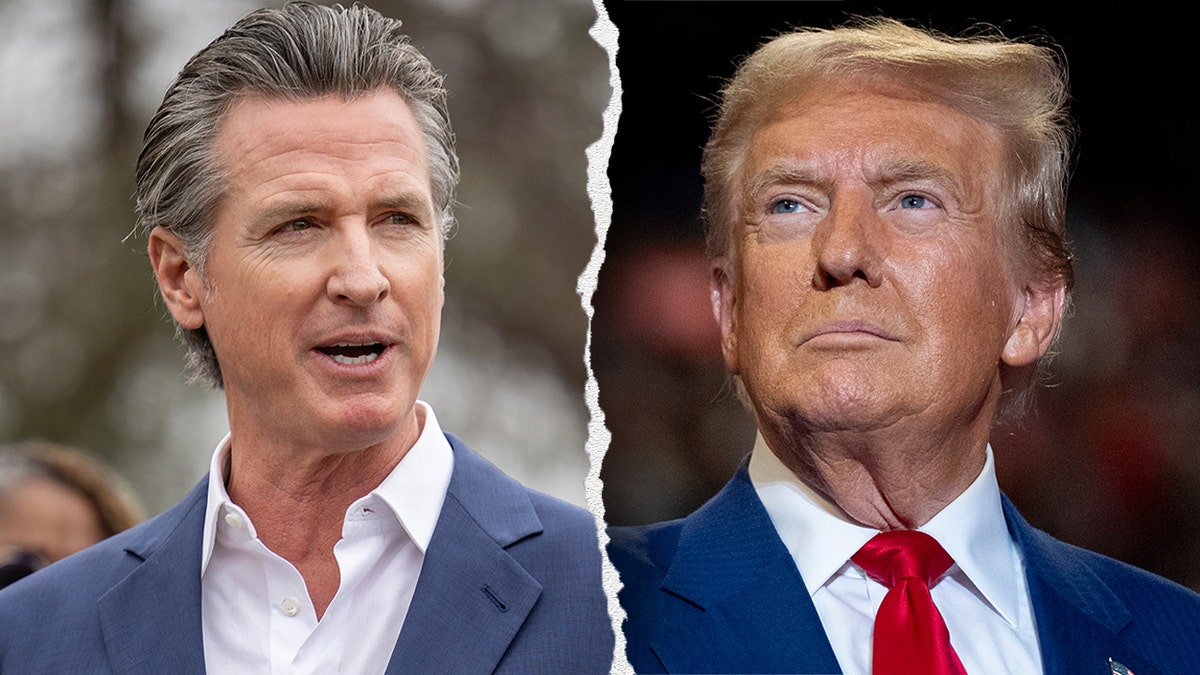
According to California Secretary of State Shirley Weber, the delayed results are “normal” and part of a process designed to ensure both voting rights and election integrity. As of June 5, 2026, officials had counted over 6 million gubernatorial primary ballots, with an estimated 3 million ballots still undergoing processing. Because California is the most populous state in the U.S., with 23 million registered voters, election officials in all 58 counties have up to 30 days to complete their counts. The Secretary of State is scheduled to certify the final results on July 10.
Mail-in voting is a primary driver of the extended timeline. Approximately 80% of votes in California are cast via mail. State law allows these ballots to be counted as long as they are postmarked by Election Day and arrive up to seven days later. This high volume of mail-in participation means that the final tally often shifts as more ballots are processed in the days and weeks following the initial election night count.
What specific claims of fraud has President Trump made?
During an appearance on NBC’s Meet the Press on Sunday, President Trump suggested that the speed of the count was evidence of misconduct. “They are dropping fast because it’s a rigged election,” Trump said, referring to the trend of Republican candidates losing ground as mail-in ballots were tallied. He further questioned the delay, asking, “Four days and they aren’t even close to coming up with… You know why they are doing that? Because they are cheating on the election?”
When Meet the Press host Kristen Welker asked for evidence to support these assertions, Trump replied, “All I have to do is look.” He subsequently criticized Welker, calling her “crooked” and “stupid.”
These allegations have been echoed by other prominent figures. Tesla CEO Elon Musk made similar claims regarding the Los Angeles mayoral race, stating, “They’re not even trying hard to hide the fraud anymore.” Additionally, Republican commentator Meghan McCain noted that individuals in her circle, who had previously never discussed “stolen elections,” were now expressing similar concerns regarding the California process.
The legal landscape is also shifting. U.S. Attorney Bill Essayli, a Trump appointee serving as the top federal prosecutor in Los Angeles, announced on Friday that his office has opened “multiple election fraud investigations” related to the California elections. His office has reportedly sent a prosecutor to the county’s vote-counting center to monitor the process.
How does the “blue shift” affect election outcomes?
The pattern of Republican candidates losing ground during the counting process is a documented phenomenon often referred to as the “blue shift” or “red mirage.” Because Democrats tend to use mail-in ballots at higher rates than Republicans, and because mail-in ballots often take longer to process than in-person votes, the cumulative totals frequently shift toward Democratic candidates as the count progresses.
While this shift has been characterized by the President as a source of fraud, statistical data suggests that mail-in voting fraud is extremely rare. A study published by the Brookings Institution in November found that cases of mail-in voting fraud accounted for only 0.000043% of all mail ballots—roughly four cases out of every 10 million cast.
Even candidates within the contested races have reacted to the process. Steve Hilton, the Republican candidate for Governor and a former Fox News host, described the California ballot counting system as a “national and international laughingstock.” However, Hilton noted that his team has not seen any illegal activity that would warrant legal action, despite his calls for a complete overhaul of the system.
What is the ballot “curing” process in California?
Another factor contributing to the extended timeline is California’s “curing” process. This system allows voters to correct issues with their ballots—most commonly a signature that does not match the one on file—to ensure their vote is counted. Under current state law, voters have 22 days to “cure” these errors.
While this process adds time to the final certification, it is not unique to California. At least 34 states and the District of Columbia allow for ballot curing, including several key battleground states such as Arizona, Georgia, Nevada, North Carolina, and Pennsylvania. This practice is intended to safeguard voting rights by allowing legitimate voters to rectify administrative errors.
Who is leading in the California primary races?
The current primary results are shaping the upcoming general elections in November. In the race for California Governor, Xavier Becerra, the Biden-era Health and Human Services Secretary, has already advanced to the runoff. Republican Steve Hilton and Democrat Tom Steyer are currently vying for the second runoff spot.
In the Los Angeles mayoral race, incumbent Karen Bass holds the lead with 34.81% of the vote. The competition for the second runoff position remains tight between progressive Councilmember Nithya Raman and Republican Spencer Pratt. Pratt has expressed confusion over the counting process, sharing a meme on the social media platform X regarding the delays.
Next Steps: California election officials will continue processing the remaining estimated 3 million gubernatorial ballots, with the Secretary of State set to officially certify all results on July 10, 2026.
What are your thoughts on the California election counting process? Share this article and join the conversation in the comments below.
Worth a look