
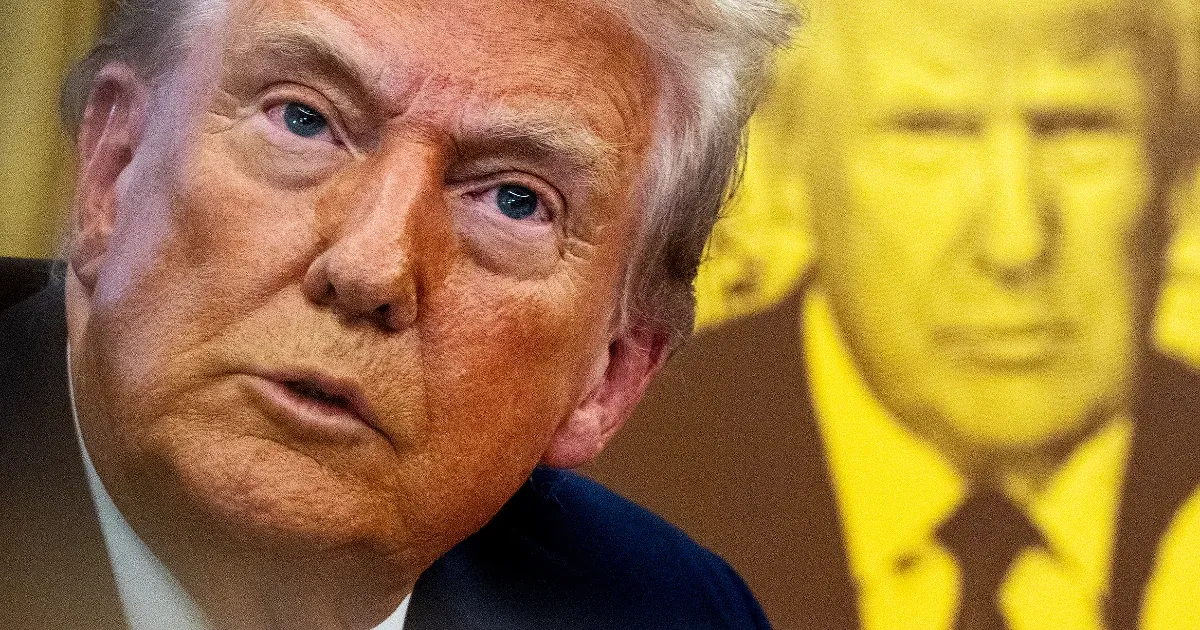
The presence of Donald Trump’s name and likeness across various public and private sectors has long been a subject of intense public discourse in the United States. As the 47th President of the United States, his influence on American infrastructure, branding, and institutional naming conventions remains a focal point for both supporters and critics. Recently, the legal landscape surrounding these naming conventions has seen significant shifts, with courts increasingly tasked with determining the extent to which political figures may influence the branding of public and federally funded institutions.
For many observers, the question of whether a president’s name should be permanently affixed to public landmarks is a matter of historical precedent and administrative policy. These debates often intersect with broader concerns regarding the neutrality of public spaces and the potential for political figures to leave a lasting, symbolic imprint on the American landscape. As legal challenges continue to move through the court system, the future of various naming projects remains uncertain, highlighting a growing tension between executive legacy and institutional independence.
Legal Challenges and Institutional Naming
The intersection of political branding and institutional identity has led to a series of legal inquiries. In recent cases, federal courts have been asked to review the processes by which names are assigned to public facilities, including cultural centers and transportation hubs. These judicial reviews often focus on whether the naming process adhered to established federal guidelines or if there were procedural irregularities in the designation of these sites.

According to recent reports, the legal scrutiny surrounding these names has intensified, with courts examining the administrative record of various agencies to determine if naming decisions were made in accordance with the law. While some argue that these naming conventions are a routine part of public recognition, others maintain that they represent an inappropriate conflation of political identity with public service. The outcome of these challenges may set a significant precedent for how future administrations manage the naming of public assets and federal property.
Infrastructure and the Politics of Identity
The naming of airports, bridges, and cultural institutions is frequently tied to the broader political climate of the time. In the case of President Trump, his business background and history as a media personality have often influenced how his name is utilized in both commercial and public spheres. This has led to a distinctive pattern where his branding is highly visible, often sparking debate over the appropriateness of such visibility in government-funded or government-managed environments.

The debate is not limited to physical infrastructure. It extends to the use of commemorative items, such as coins and other symbolic artifacts, which serve as markers of a presidential term. These items are often produced to honor specific events or milestones, yet their proliferation has also become a point of contention for those who track the intersection of executive influence and public perception. The ongoing discussion reflects a deeper national conversation about the role of presidential legacy and the symbols that define American public life.
Looking Ahead: The Role of the Judiciary
As the legal system continues to process these disputes, the role of the judiciary remains paramount. Future hearings are expected to provide more clarity on the limitations of executive influence over public naming practices. For citizens and stakeholders, these developments are crucial, as they determine the official nomenclature of spaces that serve the public interest. The judiciary’s role in ensuring that such decisions are transparent and lawful is a fundamental component of the checks and balances inherent in the American political system.

The next major checkpoint in these ongoing legal matters will be the next scheduled court hearing, where further evidence regarding the administrative processes behind these naming designations is expected to be presented. As these cases proceed, the public can monitor official court dockets and government press releases for updates on any rulings that may mandate the removal or preservation of specific names on public facilities. We invite our readers to follow these developments closely and join the conversation regarding the balance between political legacy and public institutional integrity.
We welcome your thoughts on this evolving story. Please share your perspective in the comments section below or join the discussion on our social media platforms as we continue to provide updates on this and other critical issues shaping the global landscape.