
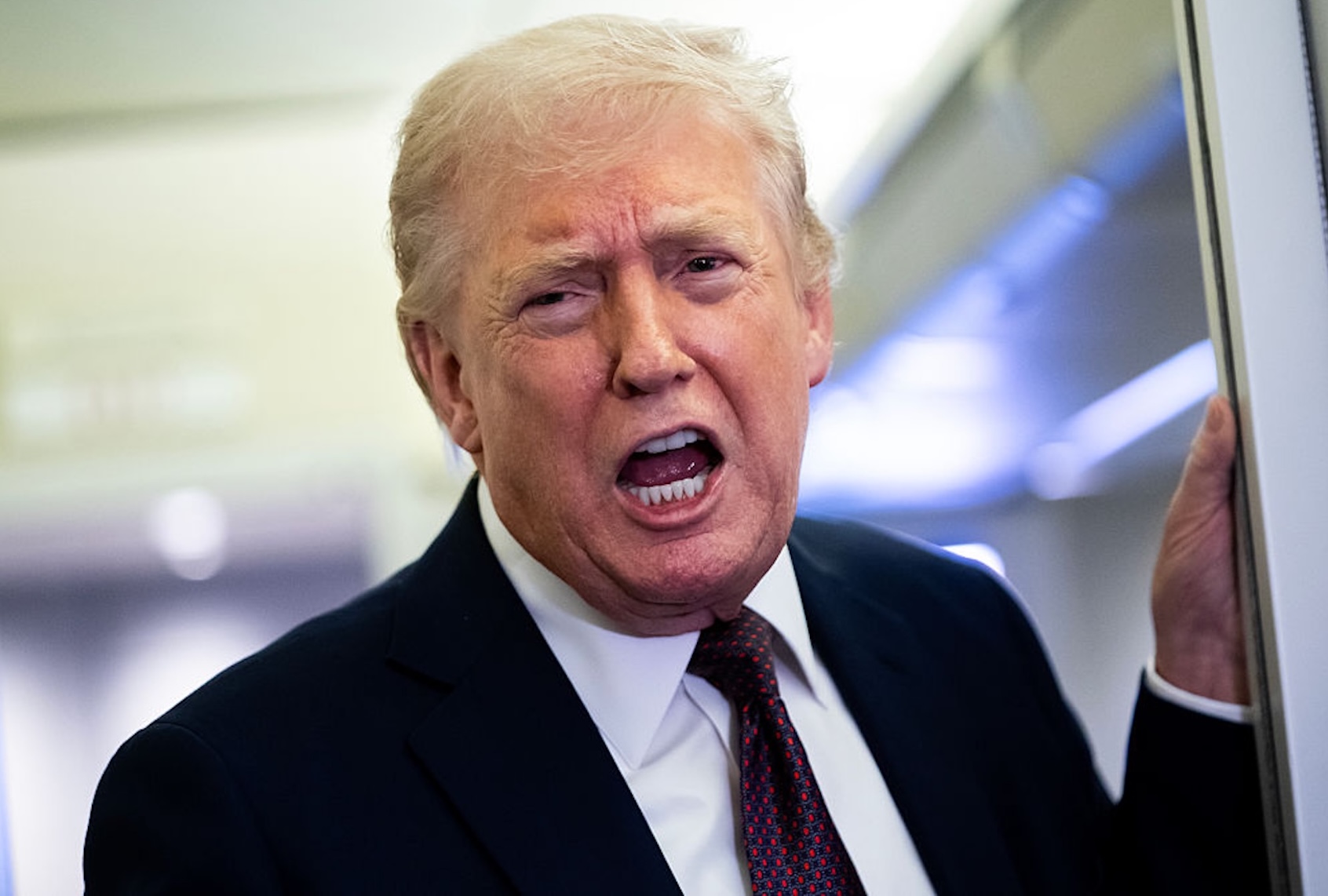
The public discourse in the United States has undergone a profound transformation since early 2025, characterized by an increasing reliance on confrontational rhetoric and heightened personal invective from the highest office in the land. As President Donald J. Trump continues his second term, observers and political analysts have noted a marked shift in the tone of presidential communication. This evolution in language—frequently described by critics as a coarsening of public life—has become a focal point of debate regarding the health of democratic norms and the expectations placed upon the American presidency.
The current administration, which began following the 2024 election cycle, has maintained a communication style that prioritizes direct, often combative, engagement with both political opponents and the media. According to the official White House administration profile, the President’s stated mandate involves rejecting policies from the political left to pursue what his office characterizes as tangible improvements for the American people. This approach has consistently bypassed traditional diplomatic filters, creating a climate where the line between private sentiment and public policy communication is frequently blurred.
The Evolution of Presidential Rhetoric
The shift toward more aggressive and informal language is not merely a matter of style; it represents a significant departure from the traditional decorum historically associated with the executive branch. While the President’s supporters often view this authenticity as a rejection of “political correctness” and a form of direct communication that resonates with his base, the structural impact on public discourse remains a subject of intense scrutiny.

Historians and political scientists often evaluate presidential rhetoric as a barometer for the nation’s civic health. When a leader consistently utilizes inflammatory language, it can alter the baseline for what is considered acceptable in broader society. This “trickle-down” effect of incivility has been observed in various arenas, from legislative chambers to local town halls, where the adoption of similar combative styles has become more prevalent among political actors.
Communication Strategies and Digital Presence
A defining characteristic of the current administration’s communication strategy is the heavy reliance on digital platforms to disseminate messages directly to the public. By circumventing traditional press briefings and media intermediaries, the administration maintains total control over the narrative, often using these channels to frame opponents or institutional critics in stark, uncompromising terms. This method of engagement is designed to foster a sense of “us versus them,” which reinforces the loyalty of the President’s supporters while simultaneously alienating those who prioritize more conventional forms of discourse.

The nocturnal nature of these communications—often occurring late at night or in the early hours of the morning—suggests a highly personalized approach to governance. These posts are frequently self-referential, focusing on the President’s personal grievances or achievements rather than broad policy explanations. This egocentric style of communication serves to centralize the identity of the state around the individual, a hallmark of populist leadership styles that prioritize personal branding over institutional continuity.
The Impact on Democratic Institutions
Beyond the linguistic shift, the broader concern among critics is how this style of leadership interacts with democratic institutions. The use of language that delegitimizes political opponents or questions the integrity of the electoral process can have long-term consequences for the stability of a democracy. When the highest office in the country treats political disagreement as an existential threat, the incentives for compromise and cooperation—the building blocks of a functioning legislature—are significantly diminished.
the administration’s emphasis on “making America great again” serves as an overarching narrative that justifies the use of combative rhetoric as a necessary tool for national renewal. By framing the current political moment as a struggle against “extremist policies,” the administration successfully positions its own vulgarity as a form of strength, effectively shielding itself from criticism by claiming that such standards are merely tools of a “radical left” agenda.
The Role of the Presidency as a Moral Compass
Historically, the President of the United States has been viewed as a role model, an individual whose personal conduct sets an example for citizens, especially the youth. When that conduct includes the use of insults, derogatory labels, or aggressive posturing, it challenges the traditional understanding of the office as a source of moral authority. The concern is that by normalizing such behavior, the administration is effectively lowering the threshold for decency in public life.

The absence of “adults in the room”—a common critique referring to the departure of institutionalists from the administration—has left a vacuum that is increasingly filled by those who echo the President’s own style. This lack of internal pushback ensures that the administration’s rhetoric continues to move in a more radical direction, unchecked by the moderating influences that typically define a balanced executive branch.
Looking Ahead: The Future of Civic Discourse
As the nation moves forward, the question remains whether this era of coarse public discourse is a temporary deviation or a permanent shift in how American politics will be conducted. The influence of the President’s rhetoric on the next generation of voters and political leaders will likely be felt for decades. For now, the administration shows no sign of altering its communication strategy, maintaining that its effectiveness is validated by electoral success.
The next major checkpoint for the administration will be the upcoming legislative session, where the President’s rhetoric will be tested against the realities of policy implementation and congressional negotiation. Observers should continue to monitor official statements from the White House for insights into how these communication trends will evolve or intensify. We invite our readers to share their perspectives on the changing nature of political discourse in the comment section below.