
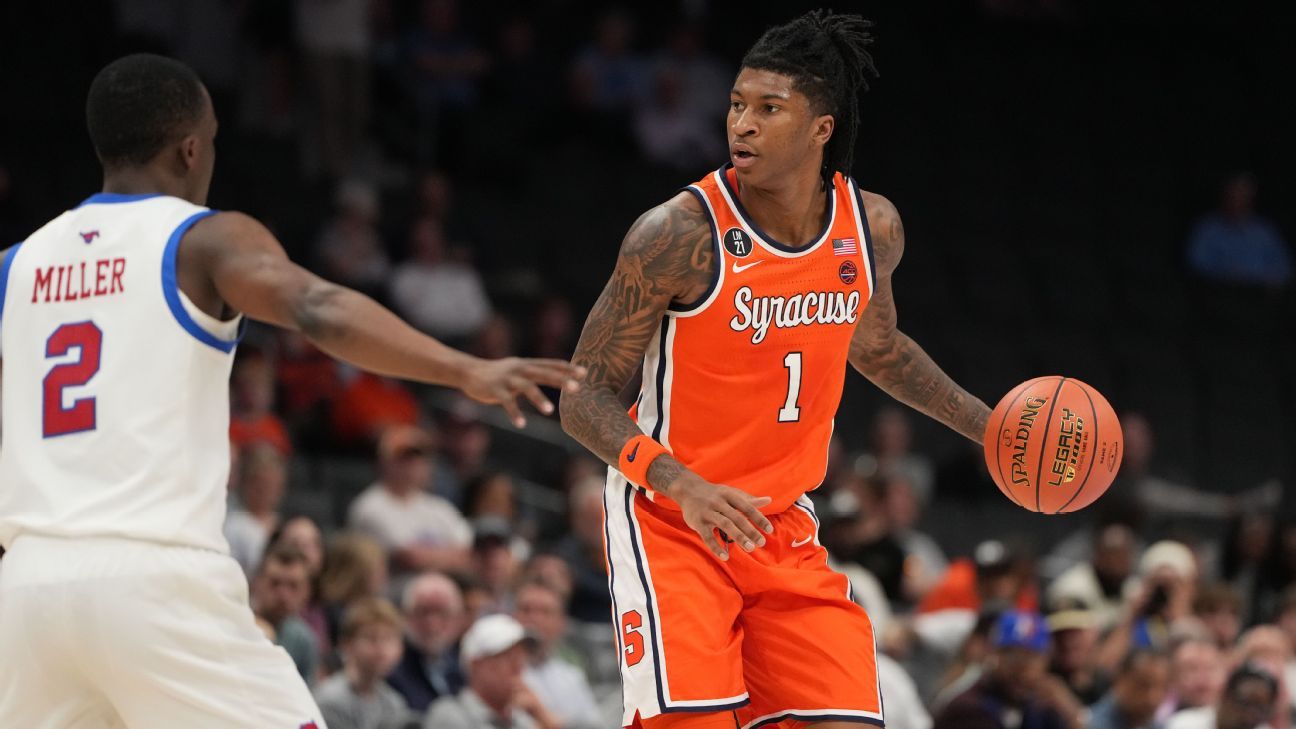
St. John’s Red Storm forward Donnie Freeman will miss the entire 2026-27 college basketball season after suffering a torn Achilles tendon. The injury, confirmed by university officials, sidelines one of the team’s most anticipated transfers during a critical period for the program’s roster development.
Freeman, who joined the St. John’s program following a tenure at Syracuse, sustained the injury during team activities. Medical staff confirmed the severity of the tear, necessitating a surgical procedure and an extensive rehabilitation timeline that precludes his participation in the upcoming campaign. The loss represents a significant adjustment for head coach Rick Pitino, who has relied on transfer portal acquisitions to bolster the Red Storm’s competitiveness in the Big East Conference.
Medical Context and Recovery Expectations
A torn Achilles tendon is widely considered one of the most challenging injuries for basketball players to navigate. According to medical guidelines published by the Johns Hopkins Medicine, recovery from such an injury typically involves surgical repair followed by a rehabilitation period lasting between nine and twelve months. The nature of the injury involves the rupture of the tendon connecting the calf muscle to the heel bone, which is essential for the explosive jumping and rapid directional changes required in collegiate basketball.

For a Division I athlete, the recovery process is not merely about physical healing but also about regaining the functional athleticism required for high-intensity play. While modern sports medicine has improved return-to-play rates, the 2026-27 season is effectively lost for Freeman to ensure he does not rush the recovery and risk long-term complications. St. John’s athletic trainers are currently overseeing the initial stages of his post-operative care.
Adjusting the Red Storm Strategy
The absence of Freeman forces a tactical shift for the St. John’s coaching staff. Having recruited Freeman to provide depth and scoring versatility in the frontcourt, the team must now rely on internal development and alternative personnel to fill the void. The St. John’s Athletics department has not announced a specific replacement strategy, though analysts suggest the team may look to increase minutes for returning forwards and utilize smaller lineups in the interim.

The transfer portal remains a primary mechanism for roster construction in the current era of college basketball. Freeman’s transition from Syracuse to St. John’s was viewed as a move to stabilize the forward position, providing the team with experience at the Power Five level. Without him, the team faces the challenge of integrating new schemes during the non-conference portion of the schedule without the primary player intended to anchor the rotation.
Looking Toward the Future
Despite the setback, the university’s focus remains on Freeman’s long-term health. The standard protocol for such injuries involves a phased approach, beginning with immobilization, moving to physical therapy for range of motion, and eventually progressing to court-based drills as the graft matures. As of this report, the team has provided no specific date for when he might be cleared for full-contact practice, though he is expected to remain with the team throughout the rehabilitation process to maintain his role within the locker room culture.
Fans and stakeholders awaiting updates on the team’s roster status can monitor the official NCAA transfer and injury reports as the season progresses. Further clarity regarding the team’s rotation will likely emerge during the initial preseason media availability sessions. We invite our readers to share their thoughts on how the Red Storm can adapt to this loss in the comments section below.