
The recent hospitalization of singer Wen Lan has served as a stark reminder of a terrifying medical reality: what begins as a seemingly manageable fever can rapidly escalate into life-threatening septic shock. As the singer undergoes treatment in intensive care, her condition has brought a critical conversation to the forefront of public health—the importance of recognizing that a fever is not merely an inconvenience, but a biological alarm system that, if ignored, can lead to systemic collapse.
Medical professionals are warning that the transition from a common infection, such as influenza, to septic shock can occur with startling speed. This progression often bypasses the “obvious” signs of critical illness, leaving patients and caregivers to believe that a fever is breaking or that a patient is simply resting, when in fact, their circulatory system may be on the brink of failure.
Understanding the distinction between a standard immune response and a runaway inflammatory cascade is essential for early intervention. As we examine the clinical details behind recent cases, it becomes clear that the window for effective treatment is often much narrower than most people realize.
The Hidden Danger: A Case of Rapid Decline
To illustrate how quickly a routine illness can turn fatal, Dr. Huang Xuan, a specialist in chest and critical care, shared a clinical case that serves as a cautionary tale for the public. The patient, a 45-year-old woman, initially presented with symptoms consistent with a common cold and fever. While her temperature reached 38.5°C, it was not considered an alarmingly high fever by standard clinical measures.
However, as the infection progressed, the clinical picture shifted from a localized respiratory issue to a systemic crisis. The woman began exhibiting signs of profound physiological distress: her complexion turned a grayish-white, her gaze became wandering and unfocused, her responses to verbal stimuli slowed significantly and her extremities became cold to the touch. Upon arrival at the emergency department, medical staff discovered her blood pressure had plummeted to a critical 78/45 mmHg.
The diagnosis was definitive and severe: septic shock triggered by a severe case of influenza complicated by pneumonia. This case highlights a dangerous misconception: that a fever of moderate intensity implies a low level of systemic risk. In reality, the most dangerous indicator may not be the temperature itself, but the sudden drop in blood pressure and the change in mental status that accompanies it.
The Biology of Fever: From Defense to Destruction
To understand why sepsis occurs, one must first understand why we develop fevers. Fever is not the disease itself. it is a sophisticated defense mechanism orchestrated by the body. When bacteria or viruses invade the system, immune cells—specifically white blood cells—engage in a biological battle. As these cells combat the pathogen, the “remnants” of this cellular conflict release substances known as pyrogens.
These pyrogens travel through the bloodstream to the hypothalamus, the region of the brain responsible for thermoregulation. Once the hypothalamus receives these signals, it raises the body’s internal temperature set point, resulting in a fever. This elevated temperature is intended to create an environment that is less hospitable to pathogens and more conducive to immune function.
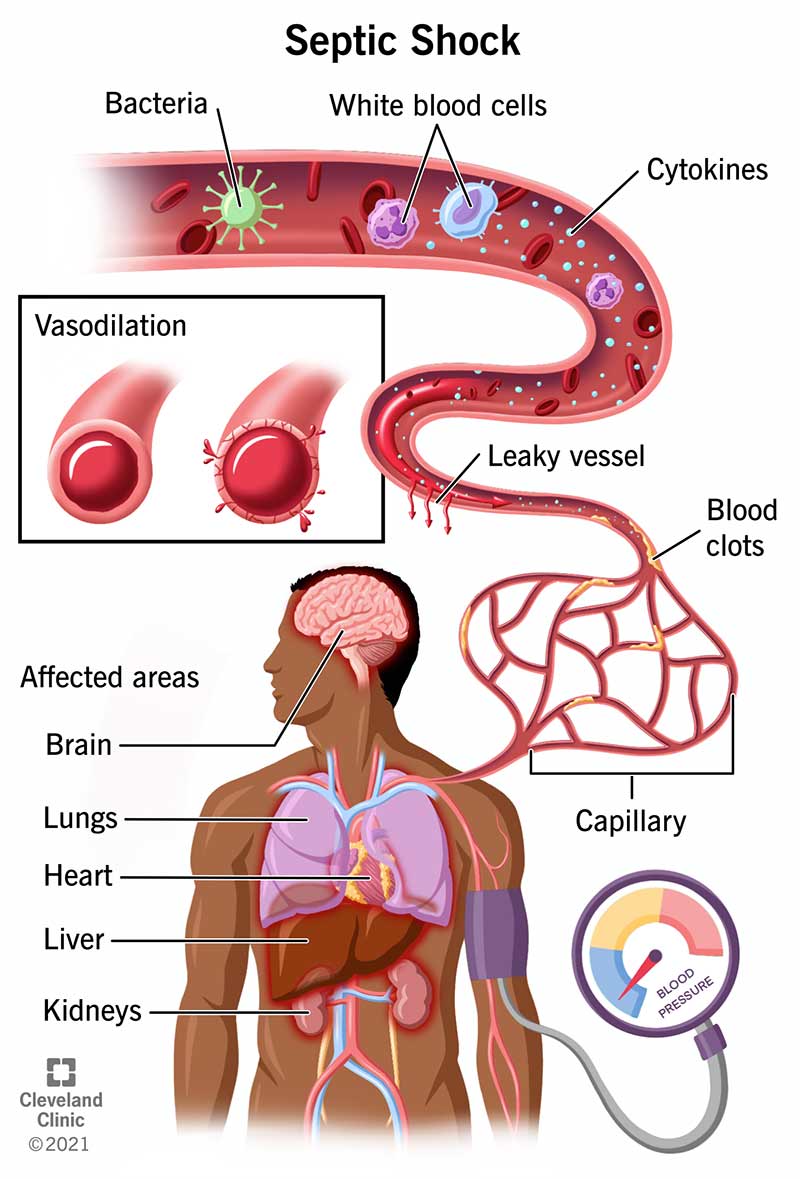
The danger arises when this defense mechanism loses control, leading to what clinicians call a “cytokine storm.” In this scenario, the immune system’s response becomes so intense and dysregulated that it begins to cause widespread damage to the body’s own healthy tissues. Instead of surgically targeting the infection, the immune system releases a massive, uncontrolled flood of chemical messengers (cytokines) that attack the vascular system and vital organs. This inflammatory cascade can lead to the sudden collapse of the circulatory system, which is the hallmark of septic shock.
9 Critical Warning Signs: When to Seek Emergency Care
Because septic shock can progress from a fever to multi-organ failure in a matter of hours, recognizing the accompanying symptoms is vital. Medical experts emphasize that if a fever is accompanied by any of the following nine symptoms, patients should not “wait it out” or attempt to manage the situation with over-the-counter antipyretics alone, but should instead seek immediate emergency medical intervention:
- Respiratory Distress: Difficulty breathing or rapid, labored breathing.
- Altered Mental Status: Confusion, disorientation, or a significant slowing of cognitive responses.
- Low Blood Pressure: A sudden drop in pressure, which can lead to dizziness or fainting.
- Cold Sweats: Profuse sweating that is not related to high ambient temperatures.
- Lethargy or Drowsiness: An unusual inability to stay awake or an extreme lack of responsiveness.
- Decreased Urine Output: A sign that the kidneys may be struggling due to reduced blood flow.
- Chest Pain: Discomfort or pressure in the chest area.
- Cold Extremities: Hands and feet that feel icy to the touch, even if the core temperature is high.
- Discoloration of the Lips: Lips appearing pale or turning a bluish/purple tint, indicating poor oxygenation.
Identifying High-Risk Populations
While anyone can fall victim to sepsis, certain groups are at a significantly higher risk of experiencing a rapid transition from infection to septic shock. These individuals should be monitored with heightened vigilance during influenza and other viral seasons:
- The Elderly: Aging immune systems may not mount a clear inflammatory response, masking the severity of an infection.
- Young Children: Rapid physiological changes can make it difficult to track the onset of systemic failure.
- Patients with Chronic Illness: Specifically those managing cancer, diabetes, or kidney disease.
- Dialysis Patients: Those with compromised renal function are particularly vulnerable to the fluid and electrolyte imbalances caused by sepsis.
For these populations, the presence of a fever should always be treated as a potential precursor to a more serious condition, requiring close observation of mental clarity, breathing patterns, and skin temperature.
As medical research continues to investigate the complexities of the cytokine storm and more targeted immunotherapies, the primary defense remains early detection and rapid clinical response. Monitoring for the subtle shifts in consciousness and blood pressure remains the most effective way to prevent a localized infection from becoming a systemic catastrophe.
Next Steps: Medical authorities continue to monitor seasonal influenza trends and the efficacy of current antiviral treatments. We will provide updates as new clinical guidelines regarding sepsis management are released by international health organizations.
If you found this medical briefing helpful, please share it with your network to help spread awareness of these critical warning signs. Have questions about managing fever in high-risk individuals? Leave a comment below and join the conversation.
Keep reading