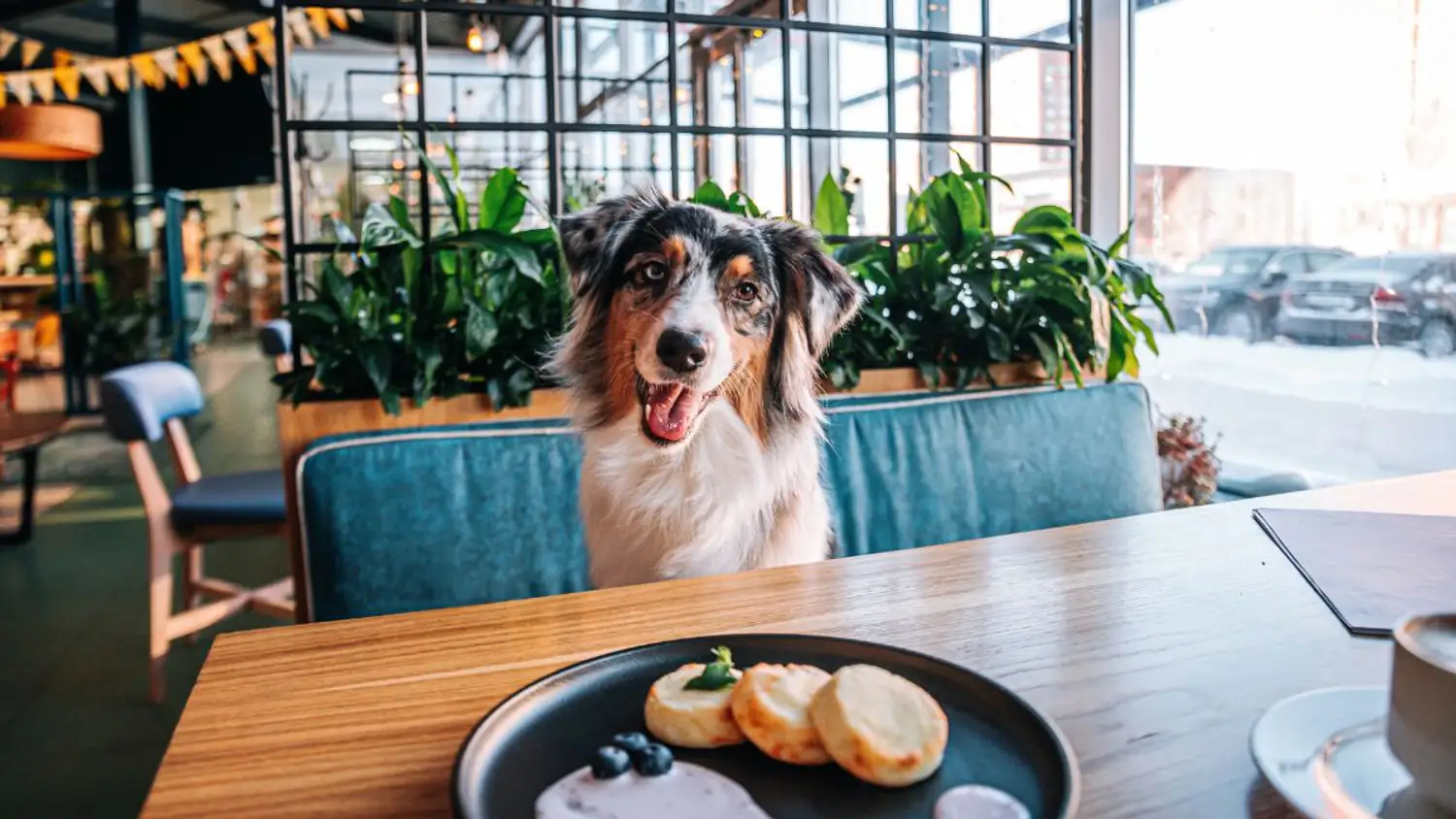
The Hygiene Mandate: The Specific Legal Boundary for Pet-Friendly Restaurants
In the modern hospitality landscape, the “pet-friendly” label has become more than just a welcoming gesture; it is a significant competitive advantage. As the trend of “pet humanization” continues to drive consumer spending, more travelers and diners are seeking establishments that accommodate their four-legged companions. However, for many restaurant owners, the decision to allow dogs is often viewed through the lens of personal discretion or brand identity.
New insights from legal experts specializing in hospitality and food service law suggest that this discretion has a definitive limit. While many restaurateurs believe they have the autonomy to decide their own pet policies, there is a specific architectural and regulatory scenario where the law removes that choice entirely, making the presence of animals a mandatory violation of health and safety standards.
Understanding this distinction is critical not only for business owners seeking to mitigate legal risk but also for consumers navigating the nuances of dining etiquette and public health compliance. The tension between the growing pet economy and the uncompromising nature of food safety regulations is creating a new set of challenges for the global hospitality industry.
The Open Kitchen Dilemma: Where Discretion Ends and Law Begins
For most dining establishments, the decision to allow pets is a matter of management policy. A restaurant may choose to be dog-friendly to attract a specific demographic, or they may opt to prohibit animals to maintain a certain atmosphere or level of cleanliness. In these instances, the restaurateur is operating within their rights as a private business owner.
However, the legal landscape shifts dramatically when the physical layout of the restaurant involves an open-concept kitchen. In establishments where there is no physical barrier—such as a wall or a closed door—separating the food preparation area from the dining area, the rules of hygiene take precedence over management’s preference.
Legal experts in hospitality law note that in such “open kitchen” environments, the dining room effectively becomes an extension of the food handling zone. Because animals are recognized as potential vectors for biological contaminants, their presence in a space that is not strictly partitioned from food preparation can constitute a breach of sanitary protocols. In these specific cases, a manager does not simply have the “right” to refuse a dog; they are often legally compelled to do so to remain in compliance with health codes.
Regulatory Frameworks: HACCP and Food Safety Standards
The prohibition of animals in certain dining environments is rooted in international food safety standards, most notably the Hazard Analysis and Critical Control Points (HACCP) system. HACCP is a management system in which food safety is addressed through the analysis and control of biological, chemical, and physical hazards.
From a regulatory standpoint, the primary concerns regarding animals in food service areas include:
- Biological Contamination: The risk of pathogens, such as Salmonella or E. Coli, being introduced via hair, saliva, or waste.
- Physical Contamination: The accidental introduction of foreign objects (e.g., pet hair) into prepared meals.
- Cross-Contamination: The movement of contaminants from a “non-food zone” (the pet’s path) to a “high-care zone” (the food preparation surface).
In jurisdictions with strict health inspections, the lack of a physical separation between the “clean” zone (the kitchen) and the “potentially contaminated” zone (a dining room where animals are permitted) can lead to immediate citations. For an establishment with an open kitchen, the dining area is often categorized under stricter sanitary requirements, making pet access a high-risk liability for the operator.
Managing Consumer Expectations and Legal Risk
For the hospitality industry, the key to navigating these regulations lies in transparency. Because consumers often assume that “pet-friendly” is a universal standard, unexpected refusals can lead to significant reputational damage and negative reviews.

To mitigate these risks, business owners should consider the following best practices:
- Explicit Policy Signage: Establishments should clearly display their pet policy at entrances and on digital platforms. Here’s not just a matter of courtesy but a way to manage the legal expectation of service.
- Architectural Awareness: When designing new venues, owners must decide if the revenue generated by a pet-friendly model outweighs the potential restrictions imposed by an open-concept layout.
- Staff Training: Employees must be trained to explain why a pet might be refused—shifting the conversation from “managerial whim” to “compliance with health and safety regulations.”
From a legal perspective, a manager’s ability to refuse entry is strengthened when they can cite specific hygiene mandates rather than appearing arbitrary. This transparency helps maintain customer trust even when the news is unwelcome.
Key Takeaways for Diners and Owners
| Scenario | Manager’s Authority | Legal Driver |
|---|---|---|
| Standard Restaurant (Closed Kitchen) | High Discretion | Private property rights and brand policy. |
| Open-Concept Kitchen Restaurant | Low Discretion (Mandatory Refusal) | Hygiene mandates and food safety compliance. |
| Outdoor Seating/Patios | High Discretion | Local municipal ordinances and zoning laws. |
Frequently Asked Questions
Q: Can a restaurant be fined for allowing dogs in an open kitchen?
A: Yes. If local health authorities determine that the presence of animals poses a risk of cross-contamination due to the lack of physical separation from food preparation, the establishment may face fines, mandatory corrective actions, or even temporary closure.

Q: Does a “pet-friendly” label mean a restaurant must accept all animals?
A: Not necessarily. “Pet-friendly” often refers to dogs, but many establishments may have specific rules regarding size, breed, or whether the animal must be leashed. As noted, certain layouts may legally override this label.
Q: Are service animals treated differently under the law?
A: In many jurisdictions, including under the Americans with Disabilities Act (ADA) in the United States and similar equality laws in Europe, trained service animals are granted access that pets are not. However, even service animals must comply with basic hygiene standards to prevent contamination.
As global food safety regulations continue to evolve and the pet economy expands, the intersection of hospitality law and consumer lifestyle will remain a critical area of focus for industry professionals. Business owners are encouraged to review their local health codes to ensure their “pet-friendly” ambitions do not collide with legal realities.
Do you have experience navigating pet policies in dining? We invite you to share your thoughts and experiences in the comments below.
Keep reading