Unexpected Returns: Consumers Discover Loophole in Poland’s New Deposit Refund System
Poland’s newly implemented deposit refund system, designed to boost recycling rates, is already facing scrutiny as consumers uncover a quirk allowing them to earn more than the standard 50 groszy (approximately 12 US cents) per plastic bottle. The system, which came into effect in 2026, aims to incentivize the return of beverage containers, but discrepancies in deposit values across neighboring countries are creating opportunities for arbitrage – and raising questions about the system’s long-term viability. While intended to promote environmental responsibility, the system is revealing complexities in cross-border recycling schemes and prompting discussions about potential “bottle migration” between nations.
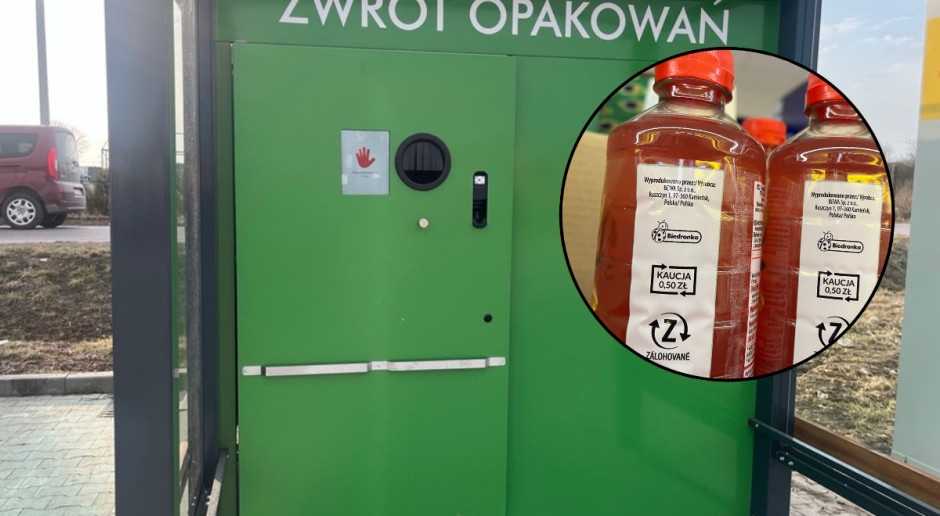
The issue stems from the presence of dual markings on some bottles sold in Poland. These markings indicate compliance with both the Polish deposit system and those of other European countries, such as Slovakia and Lithuania/Latvia. This means that a single bottle, purchased in Poland, may be eligible for a higher refund when returned in a country with a more generous deposit scheme. The potential for profit, albeit little per bottle, has sparked interest among consumers and raised concerns about the potential for organized efforts to exploit the system.
The core of the issue lies in differing deposit values. While Poland’s deposit is fixed at 0.50 złoty per bottle, Slovakia’s deposit is currently set at 0.15 euros, equivalent to approximately 0.62 to 0.64 złoty, depending on the exchange rate. This difference, though seemingly minor, can accumulate significantly when returning a large volume of bottles. One Polish consumer, identified as Tomasz by Wyborcza.biz, reportedly leveraged this discrepancy by enlisting the help of a friend who regularly travels to Slovakia to return 250 bottles. The return yielded over 160 złoty, exceeding the 125 złoty he would have received had the bottles been returned in Poland.
How the Dual Marking System Works
The presence of dual markings isn’t a sign of a flaw in the Polish system, but rather a logistical solution employed by some manufacturers. Biedronka, a popular Polish supermarket chain, explained that many of its own-brand products are sold across multiple countries simultaneously. The packaging is prepared to meet the deposit requirements of various markets. According to Biedronka, this streamlines production and reduces costs. Experts confirm this is a common practice, allowing a single production line to cater to different regulatory environments.
A visit to a Biedronka store in the Mazowieckie region confirmed the existence of these dual-marked products. Napoje Riviva, Biedronka’s own-brand beverages, were found with both the Polish deposit symbol and a Slovakian marking – a “Z” within a graphic symbol indicating “zálohované” (refunded/deposit). This visual cue signals to consumers that the bottle may be eligible for a higher refund in Slovakia. The Slovakian deposit system has been in operation since January 1, 2022, applying a 15 eurocent deposit to plastic (PET) bottles and aluminum cans.
The Potential for “Bottle Migration” and Reverse Flows
The situation isn’t a one-way street. Experts caution that the discrepancies in deposit values could lead to “bottle migration” in both directions. Lithuania and Latvia operate a joint deposit system with a deposit of 0.10 euros (approximately 43 grosze) per bottle – less than the Polish rate. This raises the possibility of bottles purchased in Lithuania or Latvia being transported to Poland to take advantage of the higher 50 groszy refund. This potential for cross-border movement of bottles highlights the interconnectedness of deposit refund systems and the challenges of preventing arbitrage.
The emergence of these loopholes comes as Poland’s deposit refund system faces other challenges. Reports indicate issues with the cleanliness of returned bottles and cans, with some collection points struggling to manage the volume of returns. There have also been reports of individuals and even organized groups attempting to exploit the system for financial gain, including “hurtownicy” (wholesalers) reportedly dominating bottle return machines. These early challenges underscore the require for ongoing monitoring and potential adjustments to the system to ensure its effectiveness and prevent abuse.
Broader Implications for Deposit Refund Systems
Poland’s experience offers valuable lessons for other countries considering or implementing similar deposit refund schemes. Harmonizing deposit values across borders could mitigate the risk of arbitrage and “bottle migration.” However, achieving such harmonization requires international cooperation and agreement, which can be complex and time-consuming. The logistical challenges of managing cross-border flows of bottles and cans need to be addressed.
The success of deposit refund systems hinges on consumer participation and trust. If consumers perceive loopholes or opportunities for exploitation, it could undermine the system’s credibility and reduce its effectiveness. Transparent communication, robust monitoring, and proactive enforcement are crucial for maintaining public confidence and ensuring that the system achieves its intended environmental goals. The Polish case demonstrates that even well-intentioned policies can have unintended consequences, and that ongoing adaptation is essential for long-term success.
Key Takeaways
- Dual-marked bottles, compliant with both Polish and other European deposit systems, allow consumers to potentially earn a higher refund in countries like Slovakia.
- The difference in deposit values – 0.50 złoty in Poland versus 0.15 euros (approximately 0.62-0.64 złoty) in Slovakia – creates an arbitrage opportunity.
- Experts warn that “bottle migration” could occur in both directions, with bottles being transported across borders to take advantage of differing refund rates.
- Poland’s system is facing broader challenges related to bottle cleanliness and potential exploitation by individuals and groups.
- The Polish experience highlights the importance of international cooperation and ongoing monitoring for the success of deposit refund schemes.
As Poland’s deposit refund system continues to evolve, authorities will likely need to address these emerging challenges to ensure its long-term effectiveness. The next key development will be the release of the first official assessment of the system’s performance, expected in late 2026, which will provide valuable data on collection rates, recycling volumes, and the extent of cross-border bottle flows. We encourage readers to share their experiences with the new system and contribute to the ongoing discussion about its impact.