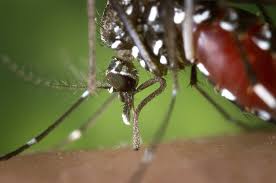
Health authorities in Dourados, a municipality in the state of Mato Grosso do Sul, Brazil, have confirmed the 15th death linked to complications from chikungunya, a viral disease transmitted by the Aedes aegypti mosquito. Local health officials report that 11 of the 15 recorded fatalities in the city were members of Indigenous communities, highlighting a significant disparity in the impact of the current outbreak on vulnerable populations, according to data from the Municipal Secretariat of Health of Dourados.
The latest victim was a 19-year-old, whose death has intensified concerns regarding the severity of the ongoing health crisis in the region. As of mid-2024, the state of Mato Grosso do Sul has seen a sharp increase in chikungunya-related mortality, with total deaths in the first half of the year reaching levels comparable to the entire preceding decade. This surge has forced the municipal government to extend a state of health emergency to facilitate the mobilization of resources and accelerate vector control efforts, as noted in official administrative orders published by the Dourados City Government.
Understanding the Chikungunya Outbreak in Dourados
Chikungunya is a viral illness characterized by fever and severe joint pain, which can be debilitating and, in rare instances, fatal. In Dourados, the high concentration of fatalities among Indigenous populations has drawn attention to systemic challenges in healthcare access and environmental sanitation within these territories. According to the Brazilian Ministry of Health, the Aedes aegypti mosquito thrives in tropical climates, and its ability to breed in small collections of stagnant water makes it difficult to eradicate without sustained community-wide participation in sanitation measures.
The state of emergency, which authorizes the city to expedite the procurement of medical supplies and the hiring of temporary health personnel, remains in effect as surveillance teams continue to monitor transmission hotspots. Health professionals at the Oswaldo Cruz Foundation (Fiocruz), which monitors infectious disease trends in Brazil, suggest that the rapid rise in cases is often linked to shifts in climate patterns that favor mosquito proliferation, as well as the susceptibility of populations that may lack prior immunity to the virus.
Public Health Response and Vulnerable Populations
The concentration of deaths within Indigenous communities has prompted local health authorities to implement targeted outreach programs. These initiatives include intensified fumigation efforts, the distribution of insect repellent, and the deployment of mobile health clinics designed to provide early diagnosis and supportive care. Early clinical intervention is critical for managing chikungunya, as there is currently no specific antiviral treatment for the disease; management focuses primarily on alleviating symptoms through hydration, rest, and pain relief.
Medical experts emphasize that the severity of this outbreak is a matter of public health urgency. In a formal statement regarding the regional situation, state health officials emphasized that the total number of deaths recorded in the first six months of the current year matches the total count for the previous ten years combined, a figure verified by reports from the State Secretariat of Health of Mato Grosso do Sul. This statistical anomaly serves as a key indicator of the changing epidemiological landscape in the region.
What Happens Next in the Containment Effort
As the municipal government continues to manage the emergency, the next steps involve a comprehensive review of vector control strategies and the expansion of primary care access. The city is expected to provide ongoing updates on the epidemiological situation, including new case counts and mortality figures, via the official Dourados municipal portal. Residents are encouraged to check for scheduled community sanitation drives and to report potential mosquito breeding grounds to local health inspectors.
Public health experts advise that individuals experiencing symptoms such as high fever, sudden joint pain, or skin rashes should seek medical attention immediately at the nearest community health unit. Because chikungunya and dengue share the same primary vector and similar clinical presentations, accurate laboratory testing is essential for proper diagnosis and management. The situation remains fluid, and local authorities are expected to reassess the status of the emergency declaration in the coming weeks based on the trajectory of new infections.
We invite our readers to stay informed by following official local health advisories and to share this information to help protect neighbors and community members. If you have questions about the health situation in Dourados or wish to contribute to the discussion, please use the comment section below to engage with our community.
Related reading