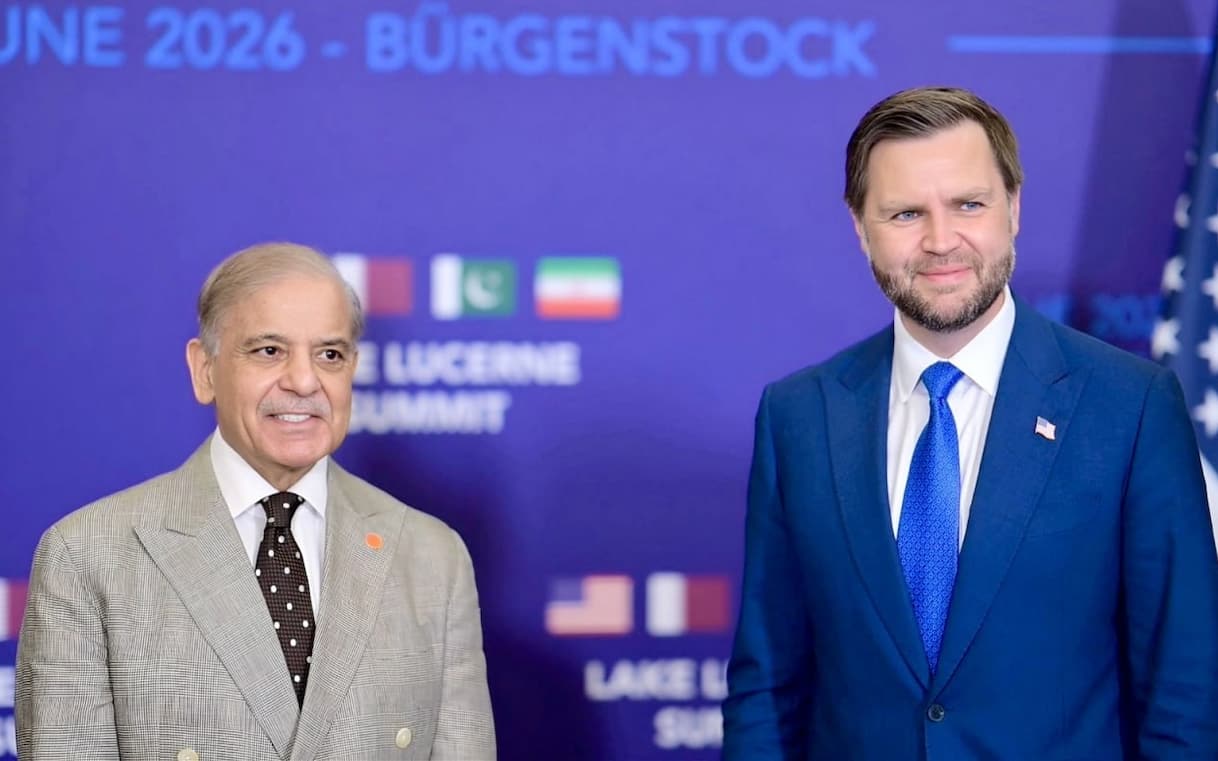
Diplomatic efforts to address ongoing tensions in the Iran-U.S. relationship have entered a sensitive phase, with officials reporting intermittent progress alongside periods of pause for internal consultations. Recent discussions, which have involved various international stakeholders, remain focused on de-escalation and regional security, particularly concerning critical maritime corridors like the Strait of Hormuz. As of late 2024, the situation remains fluid, with both Washington and Tehran navigating complex domestic pressures while managing the risk of direct military confrontation.
The current diplomatic landscape is characterized by high-stakes maneuvering. While spokespeople for the U.S. administration have alluded to incremental steps forward in communication, Iranian officials have frequently cited the need for internal review before proceeding with substantive commitments. These negotiations are viewed by international observers as a critical mechanism to prevent miscalculations that could disrupt global energy supplies or trigger broader regional instability. According to the U.S. Department of State, maintaining open lines of communication remains a primary tool for managing these adversarial relations.
Diplomatic Channels and the Pause in Talks
Negotiations between the United States and Iran are rarely linear. Frequent pauses in the dialogue are often attributed to the need for both sides to synchronize their positions with domestic stakeholders. Reports from international observers suggest that these gaps in active communication are not necessarily indicative of a collapse in talks, but rather the reality of the complex bureaucratic and political systems involved in both nations. The United Nations has consistently encouraged both parties to utilize diplomatic channels to mitigate the risk of accidental escalation in the Persian Gulf.
The involvement of third-party intermediaries, often based in neutral locations such as Switzerland, has been a recurring feature of these efforts. These intermediaries provide a platform where direct contact is limited, allowing for the transmission of proposals without the immediate political optics of a high-level summit. The process is complicated by divergent objectives: the U.S. seeks to curb regional proxy activities and nuclear advancements, while Tehran demands the lifting of sanctions and recognition of its regional security interests, as documented in analysis by the Council on Foreign Relations.
Strategic Interests in the Strait of Hormuz
The Strait of Hormuz remains the most significant flashpoint in the U.S.-Iran dynamic. As a vital chokepoint for global oil transit, any perceived threat to the freedom of navigation in these waters draws immediate international attention. Former officials and political figures in the U.S. have occasionally made statements regarding the potential for military intervention or control of the waterway, rhetoric that often serves to heighten tensions and complicate the work of active diplomats.
Military analysts emphasize that the Strait is heavily monitored by international naval forces, including the U.S. Fifth Fleet. According to data from the U.S. Energy Information Administration, approximately 21 million barrels of petroleum liquids pass through the Strait daily, representing roughly 21% of global petroleum consumption. Any disruption in this corridor carries immediate global economic consequences, making the de-escalation of maritime tensions a priority for major economies in Europe and Asia.
Challenges in Policy Alignment
A primary challenge in the current U.S.-Iran discourse is the discrepancy between public rhetoric and private negotiation. While political figures may adopt a hardline stance for domestic audiences, the reality of the meetings often involves technical discussions regarding verification and compliance. This “two-track” approach creates confusion for the public and allows for conflicting narratives to emerge regarding the success or failure of ongoing talks.
The U.S. approach is largely defined by a policy of “maximum pressure” combined with an openness to deal-making, a strategy that has faced criticism from various international partners who argue it creates a volatile environment. Conversely, Tehran maintains that its regional influence is a matter of sovereign right. These fundamental disagreements mean that progress is measured in small, incremental shifts rather than broad policy overhauls. The International Atomic Energy Agency continues to provide independent monitoring of nuclear sites, which serves as one of the few objective benchmarks in the otherwise opaque relationship between the two nations.
What Happens Next
The next phase of the U.S.-Iran dialogue will likely depend on the outcome of the current internal consultations. Observers are watching for signals from the Iranian leadership regarding their willingness to resume substantive talks, as well as any shifts in U.S. policy following domestic political cycles. There is no scheduled date for a high-level breakthrough; instead, the focus remains on maintaining the current diplomatic framework to prevent any localized incident from spiraling into a broader military conflict.
Interested parties can monitor updates through official statements issued by the U.S. State Department and the Iranian Foreign Ministry. As the situation evolves, the international community continues to emphasize that a diplomatic solution remains the only viable path to long-term stability in the region. We encourage our readers to participate in the conversation by sharing their perspectives in the comments section below.