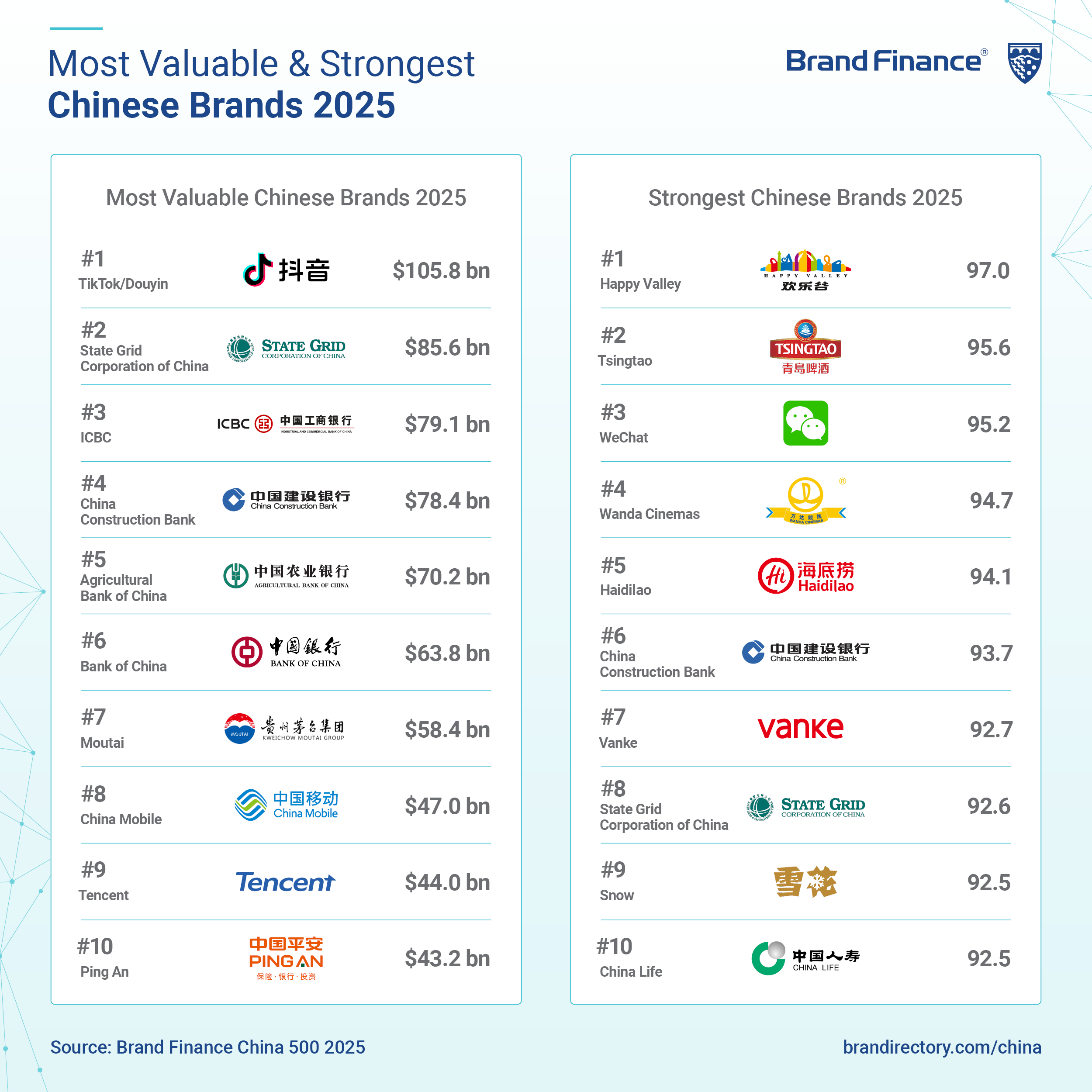
The landscape of global corporate influence is shifting, and the latest data from the 2025 valuation cycle confirms that the center of gravity is moving toward integrated digital ecosystems. In a significant demonstration of market resilience and strategic evolution, TikTok/Douyin has maintained its position as the most valuable brand in China for the second consecutive year, signaling a broader trend where innovation-led platforms are outpacing traditional industrial giants.
According to the China 500 2025 report by Brand Finance, the combined brand value of China’s top 500 companies has reached nearly $2 trillion. This milestone reflects a strategic transformation within the Chinese economy, as the nation moves away from a reliance on traditional banking and heavy infrastructure toward a future defined by AI-powered personalization and global digital reach.
For those of us who have watched the intersection of technology and consumer behavior over the last decade, this isn’t just about a ranking; it is about the blueprint for modern monetization. The dominance of TikTok/Douyin illustrates how the blurring of lines between entertainment, social interaction, and retail—often referred to as “shoppertainment”—is creating a new gold standard for brand value in the 21st century.
The Ascent of TikTok/Douyin: More Than Just a Social App
TikTok/Douyin has secured the top spot with a brand value of $105.8 billion, marking a substantial 26% year-on-year increase. This growth has propelled the platform to become the second most valuable media brand globally, trailing only Apple and surpassing established Western giants such as Facebook and Netflix.
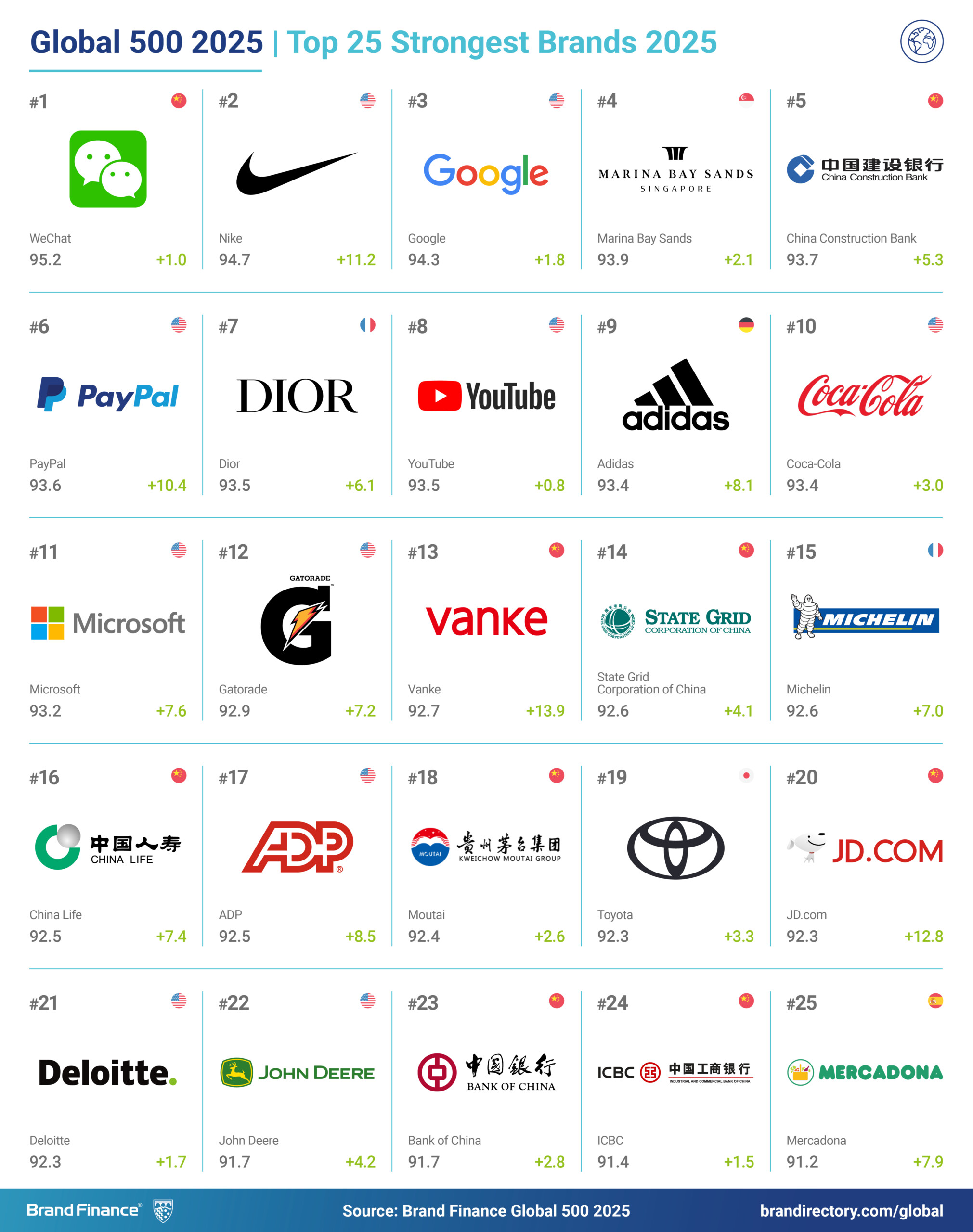
The surge in valuation is not accidental. Brand Finance attributes this growth to a sophisticated, multi-pronged strategy that integrates innovative content with direct commerce. A key driver has been the implementation of the TikTok Mall, which allows for a seamless transition from viewing a short-form video to completing a purchase. By leveraging hyper-personalized user experiences, the platform has significantly boosted engagement and monetization across its retail, advertising, and content verticals.
This integration of digital ecosystems allows TikTok/Douyin to capture a larger share of the consumer journey. Rather than acting as a mere discovery tool, the platform has evolved into a full-funnel commerce engine. This shift in utility has cemented its corporate prestige and ensured its relevance in both domestic and international markets.
Infrastructure and Finance: The Stability of State-Backed Giants
While digital platforms are capturing the headlines, the bedrock of China’s brand strength remains its massive state-owned enterprises. The State Grid Corporation of China has climbed to the second position among Chinese brands, with its brand value rising 20% to $85.6 billion. This ascent sees it surpass the Industrial and Commercial Bank of China (ICBC) for the top spot in the utility sector.
The growth of State Grid is largely tied to aggressive infrastructure investments and a strategic pivot toward clean energy deployment. By focusing on high-demand regions and advancing its green transition practices, the organization has improved its perceptions of reliability and popularity within the domestic service market.
Meanwhile, ICBC remains a global powerhouse in the financial sector. Although it dropped to third place overall in the China 500 rankings, it retains its title as both China’s and the world’s most valuable banking brand for the ninth consecutive year, with a brand value of $79.1 billion, representing a 10% increase.
Rapid Growth and Sector Diversification
The 2025 report also highlights the emergence of “fast-growth” brands that are disrupting their respective niches. A standout performer is Little Swan, which emerged as China’s fastest-growing brand of the year. The company saw its brand value triple, driven by a surge in demand for smart appliances and an expansion of its consumer ecosystem.
In the luxury and consumer goods sector, Moutai continues to demonstrate the enduring power of traditional heritage brands. Valued at $58.4 billion—a 17% increase—Moutai maintains its position as the top liquor brand in the country, proving that high-end traditional products can coexist and thrive alongside the digital revolution.
Key Valuation Highlights: China’s Top Brands 2025
| Brand | Brand Value | YoY Growth | Key Driver |
|---|---|---|---|
| TikTok/Douyin | $105.8 Billion | 26% | E-commerce integration (TikTok Mall) |
| State Grid | $85.6 Billion | 20% | Clean energy and infrastructure |
| ICBC | $79.1 Billion | 10% | Global banking leadership |
| Moutai | $58.4 Billion | 17% | Luxury consumer demand |
What This Means for the Global Market
The findings of the Brand Finance report suggest a fundamental shift in how “value” is calculated in the modern era. We are seeing a transition from raw scale—the traditional strength of banks and power grids—to “innovation-led” value. The ability to control a digital ecosystem and personalize the user experience is now as financially potent as owning the physical infrastructure of a nation.

the rise of these brands reflects China’s broader push for global influence. When a brand like TikTok/Douyin ranks as the second most valuable media brand in the world, it indicates that the cultural and technological exports of China are successfully competing with, and in some cases surpassing, the legacy dominance of Silicon Valley.
For global investors and competitors, the lesson is clear: the integration of AI, social media, and e-commerce is no longer an experimental strategy—it is the primary engine of brand growth. The success of the “shoppertainment” model is likely to be emulated globally as other platforms scramble to integrate retail capabilities directly into their content streams.
As we look toward the next cycle of valuations, the key metric to watch will be whether these digital leaders can maintain their growth rates as they hit market saturation, and whether traditional state-owned enterprises can accelerate their green transitions to maintain their competitive edge.
The next major update on these valuations is expected in the 2026 Brand Finance annual report, which will reveal if the digital-first trend continues to dominate the Chinese corporate landscape.
Do you think the integration of shopping and social media is the future of all retail, or is it a trend specific to the Asian market? Let us know your thoughts in the comments below.
Keep reading