DRC river Tragedies: Understanding the Rising Toll of Boat Accidents
The Democratic Republic of Congo (DRC) is grappling with a devastating surge in boat accidents, with two recent incidents claiming the lives of at least 193 people in the northwestern region. These tragedies, occurring within days of each other, highlight a critical issue: the perilous state of river transport in the DRC and the urgent need for improved safety regulations.This article delves into the causes, consequences, and potential solutions to this escalating crisis, providing a complete overview of the situation.We will explore the factors contributing to these disasters, the challenges faced in rescue operations, and the long-term implications for communities reliant on river travel.
The recent Disasters: A Timeline of Loss
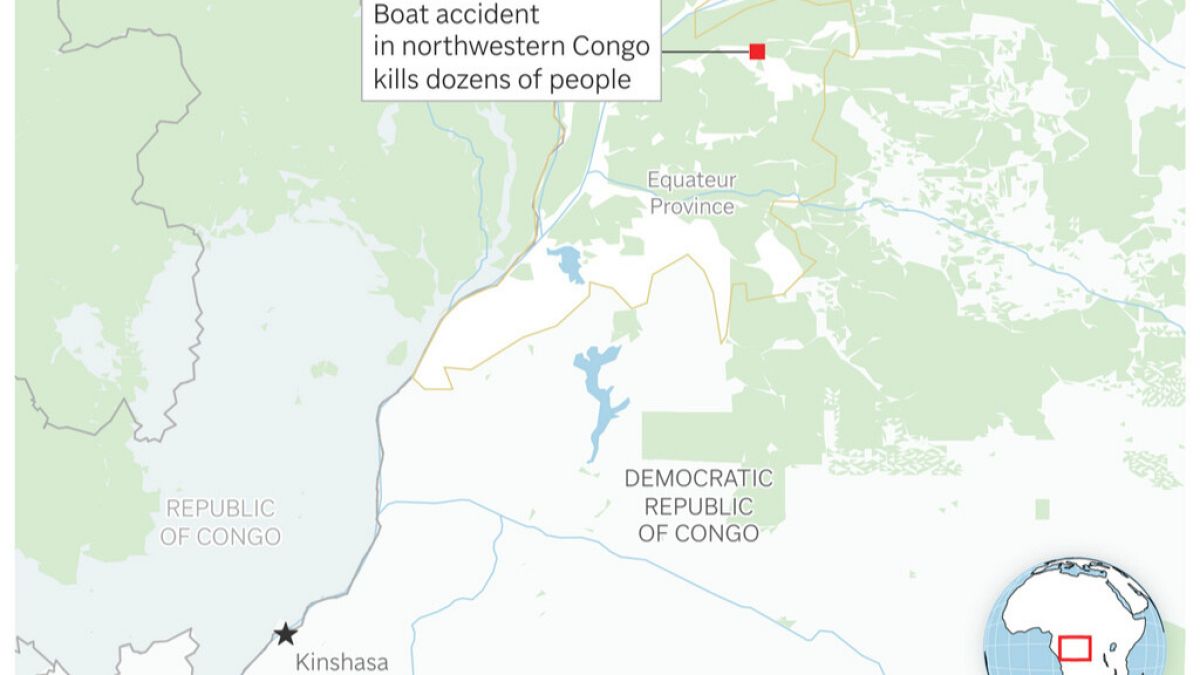
On Wednesday, September 11th, 2024, a motorised boat capsized in the Basankusu territory, resulting in the deaths of at least 86 people, many of whom were students. State media attributed the accident to “improper loading and night navigation.” Just a day later, on Thursday, September 12th, 2024, another vessel, carrying nearly 500 passengers, caught fire and capsized on the Congo River in the Lukolela territory. The Ministry of Humanitarian Affairs reported 209 survivors rescued near the village of Malange, but the death toll continues to be assessed.
Did You Know? The Congo River is the deepest and second-longest river in Africa, serving as a vital transportation artery for millions of Congolese citizens.
These incidents are not isolated events. Boat capsizing has become increasingly frequent in the DRC, a nation where river transport is often the only viable option for connecting remote villages and transporting goods.
Why Are DRC River Accidents So Common?
several interconnected factors contribute to the high frequency of these tragic accidents:
* Overloading: Wooden vessels are routinely overloaded with passengers and cargo, far exceeding their safe capacity. This compromises stability and increases the risk of capsizing.
* Poor Vessel Maintenance: Many boats are old, poorly maintained, and lack essential safety equipment, such as life jackets and functioning navigation systems.
* night Navigation: Traveling at night is common, but substantially complicates rescue efforts in the event of an accident. Reduced visibility and the lack of readily available assistance contribute to higher fatality rates.
* lack of Regulation & Enforcement: Weak enforcement of existing safety regulations and a lack of comprehensive oversight allow unsafe practices to persist.
* Economic Factors: River travel is often the most affordable transportation option for many congolese citizens, leading them to prioritize cost over safety.
* Limited Infrastructure: The DRC’s underdeveloped road network forces reliance on waterways,increasing the strain on existing river transport infrastructure.
Pro Tip: If you must travel by boat in the DRC, prioritize vessels that appear well-maintained, have visible safety equipment, and avoid traveling at night whenever possible.
The Human Cost and Socioeconomic impact
The loss of life in these accidents is devastating, notably for families and communities already facing significant challenges. Beyond the immediate grief, these tragedies have far-reaching socioeconomic consequences.
* Loss of Livelihoods: Many victims are traders and entrepreneurs who rely on river transport to conduct their businesses.their deaths disrupt local economies and exacerbate poverty.
* Educational Disruption: The loss of students,as seen in the Basankusu accident,hinders educational progress and limits future opportunities.
* Increased Vulnerability: These accidents disproportionately affect vulnerable populations, including women, children, and those living in remote areas.
* Erosion of Trust: Repeated tragedies erode public trust in the government’s ability to ensure the safety of its citizens.
addressing the Crisis: Potential Solutions & Challenges
addressing the escalating crisis requires a multi-faceted approach involving government intervention, community engagement, and international support.
* Strengthened Regulations: Implementing and enforcing stricter safety regulations regarding vessel capacity, maintenance standards, and navigation protocols is crucial.
* Investment in Infrastructure: Investing in the construction and maintenance of safer boats, improved port facilities, and navigation aids is essential.
* **Training and Capacity Building
Worth a look