Fragile Peace Shattered: Renewed Conflict Threatens Eastern DRC and Regional Stability
A recently brokered peace agreement aimed at resolving the conflict between the Democratic Republic of Congo (DRC) and Rwanda is already unraveling, with intense fighting erupting around the city of Uvira in eastern DRC. The resurgence of violence, spearheaded by the M23 rebel group backed by Rwandan forces, casts a dark shadow over hopes for stability in a region plagued by decades of conflict and raises the specter of a wider regional war.
Just days after Congolese President felix Tshisekedi and Rwandan counterpart Paul Kagame signed the US-brokered deal on December 4th – hailed by former President Donald Trump as a “miracle” – the M23 launched a new offensive on December 1st.This offensive directly challenges the agreement and underscores the fragility of peace initiatives in the region.
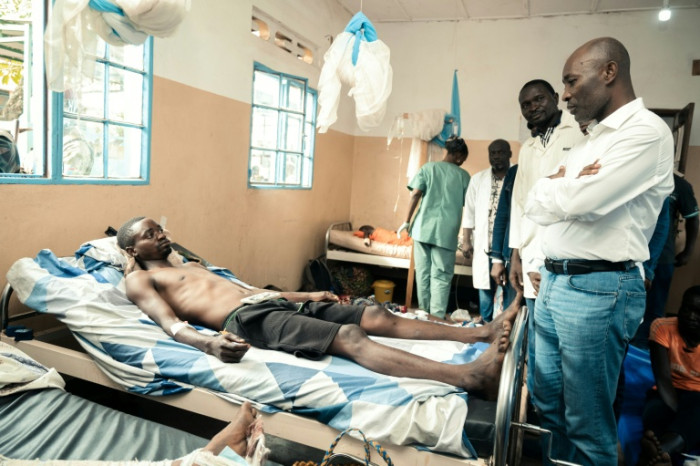
The immediate impact is a humanitarian crisis. Over 30,000 people have fled the fighting around Uvira, seeking refuge in neighboring Burundi over the past week. Reports indicate a surge in arrivals, with over 8,000 people crossing the border daily, overwhelming resources and highlighting the desperate need for international aid.
Uvira’s strategic importance is central to the escalating crisis. As the last notable city in the area not controlled by the M23, its fall would effectively sever the region from DRC control and poses a direct threat to Burundi, situated across Lake Tanganyika from burundi’s economic capital, Bujumbura. burundi has already deployed a substantial force – approximately 18,000 soldiers – to eastern DRC under a military cooperation agreement, demonstrating its commitment to preventing further destabilization.
This latest escalation builds upon the M23’s gains earlier this year, when the group seized control of Goma and Bukavu, key cities in eastern DRC. This region is exceptionally rich in natural resources, making it a focal point for conflict and external interference. The renewed fighting is characterized by heavy bombardments, creating widespread panic among residents. “Three bombs have just exploded in the hills. It’s every man for himself,” one Uvira resident told AFP.
The peace deal, while including an economic component aimed at securing US access to critical minerals, appears to have been insufficient to address the underlying drivers of the conflict. Even on the day of the signing, fighting raged in South Kivu province, where Uvira is located. The arrival of fleeing Congolese soldiers in Uvira, coupled with reports of looting, further illustrates the breakdown of security.
The situation echoes warnings issued earlier this year by Burundian President Evariste Ndayishimiye and the United Nations, who cautioned that the conflict could easily escalate into a broader regional war.the current developments confirm those fears.
The long-term implications of this renewed violence are significant. Beyond the immediate humanitarian crisis, the instability threatens to further destabilize an already fragile region, disrupt the supply of vital minerals, and undermine international efforts to promote peace and development in the Great Lakes region of Africa. A sustained and coordinated international response, focused on addressing the root causes of the conflict and supporting regional security initiatives, is urgently needed to prevent a catastrophic outcome.
Key Takeaways:
* Peace Deal Failure: A recent US-brokered peace agreement between DRC and Rwanda is rapidly collapsing.
* Humanitarian Crisis: Over 30,000 people have fled to Burundi, creating a significant humanitarian challenge.
* Strategic importance: Uvira’s potential fall poses a direct threat to Burundi and would sever DRC control over the region.
* Regional Risk: The conflict risks escalating into a wider regional war, as warned by Burundi and the UN.
* Resource Conflict: The region’s rich natural resources fuel the ongoing instability.
Related reading
- Green Investments and Loans: Financing Energy and Transport Projects
- Mercedes Crisis: CEO Pushes for Longer Hours as IG Metall Union Resists Cost-Cutting Measures
- WTO: Global Trade Remains Resilient in Q1 2026 Despite Middle East Conflict (newsdirectory3.com)
- Qatar Reports Progress in Diplomatic Efforts to End US-Iran Conflict (archyworldys.com)