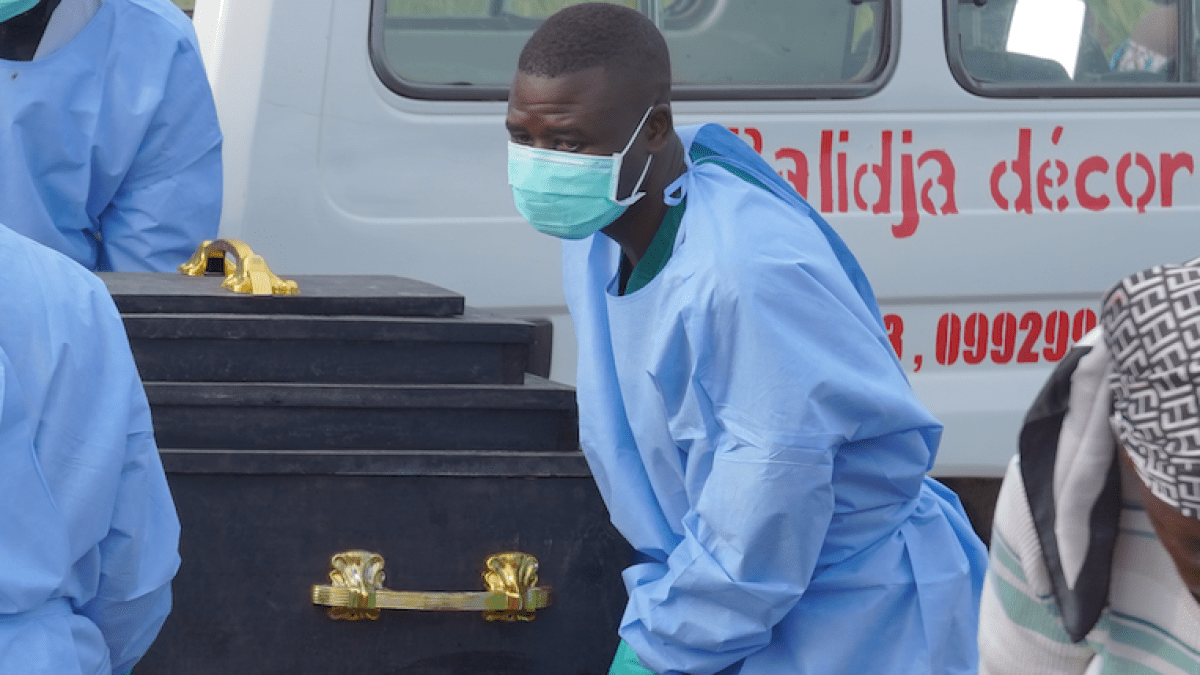
Confirmed Ebola deaths in the Democratic Republic of the Congo have surpassed 2,000, driven by the fast-spreading Bundibugyo strain. International health organizations report over 4,300 confirmed cases across five provinces, making this the fastest-growing outbreak in the history of the virus.
The Democratic Republic of the Congo reported on Tuesday that its confirmed Ebola death toll has reached 2,011, marking a devastating milestone in what public health officials characterize as the fastest-spreading outbreak on record. Data from the country’s public health institute shows 4,381 confirmed cases across five provinces.
The outbreak is driven by the Bundibugyo species of Ebola, for which there are no approved vaccines or treatments. Delayed detection, conflict, and severe strain on local health services have accelerated transmission far beyond previous levels. The World Health Organization has classified the emergency as a public health emergency of international concern, with secondary cases crossing into neighboring Uganda.
Genomic Tracking Reveals the Virus Circulated Months Before Detection
Genomic sequencing of the Bundibugyo strain indicates that the virus began circulating as early as mid-February, months before authorities formally suspected an outbreak in Bunia according to regional reporting. Initial testing failed to identify the specific strain, and early cases were frequently misdiagnosed as malaria or typhoid fever.
“So we are chasing the virus, the virus is ahead of us.”
Mohamed Yakub Janabi, WHO Regional Director for Africa
The WHO did not officially declare the outbreak until May 17, 2026. In the three months following the declaration, the current event has escalated into the fastest-growing Ebola outbreak in history, outpacing the pace of the 2014–2016 epidemic in West Africa. While that epidemic recorded 28,616 cases and 11,310 deaths across Guinea, Liberia, and Sierra Leone according to World Health Organization figures, Congo’s current crisis crossed the 2,000-death threshold in less than three months.
Epicentre Strain and Treatment Centre Overload in Ituri Province
A high percentage of fatalities—estimated between 60 and 70 percent—are occurring within local communities rather than inside secure medical facilities, heightening exposure risks for family members and neighbors caring for the sick as highlighted by United Nations updates.

Patients who do make it to Bunia often arrive too late for effective medical intervention.
“In some areas of eastern DRC, the Ebola outbreak is outpacing our response, making it imperative that we rapidly scale up every aspect of our efforts to contain it.”
Dr. Tedros Adhanom Ghebreyesus, WHO Director-General
Global humanitarian organizations warn that containment measures face severe operational barriers. Salomé Ntububa, head of global humanitarian response for Christian Aid based in Goma, noted that this Ebola outbreak is at real risk of spiralling out of control
irishtimes.com. She emphasized that without approved vaccines for this specific strain, stopping transmission depends entirely on community-level education, early symptom recognition, and safe burial practices.
Task Forces and Local Militia Deployed in North Kivu
To combat community resistance, mistrust, and threats against medical personnel during burial disputes, local officials in North Kivu took decisive security action on Monday in Butembo. Authorities launched a government-backed task force uniting pro-government militia fighters and civil society groups to protect health workers, secure treatment facilities, and enforce quarantine regulations.

Meanwhile, international coordination efforts continue. Following a joint high-level mission to Uganda—where authorities successfully contained a localized outbreak resulting in 20 confirmed cases and two deaths before declaring an end to transmission on July 28, 2026—Africa CDC and the WHO have urged accelerated resource delivery per agency briefings. However, contact follow-up in the DRC remains at 75 percent, falling well short of the 95 percent operational threshold required to successfully suppress active transmission chains.
Related reading
- Pre-Surgical Complications Part 2: Aortic Stenosis, TAVR Dilemmas, and the Chaos of US Healthcare
- West Nile Virus Surge in Greece: Athens Medical Association Demands Urgent Mosquito Control
- WHO Warns: Ebola Outbreak in DR Congo Started Earlier Than Reported (archyworldys.com)
- Real Madrid’s Confusing Transfer Strategy Despite Record Wealth (newsdirectory3.com)