
LISBON, Portugal — The wait for Congolese football fans is finally nearing its end. As the countdown to the 2026 FIFA World Cup intensifies, the Fédération Congolaise de Football Association (FECOFA) has officially pulled back the curtain on the national team squad, marking a historic milestone for the Democratic Republic of the Congo.
For the “Leopards,” this is more than just a tournament entry; This proves a resurgence. After a prolonged period of rebuilding and navigating the rigorous CAF qualification pathways, the DR Congo is set to reclaim its place among the global elite. The squad announcement has sent waves of excitement through Kinshasa and the wider Congolese diaspora, signaling the end of a multi-decade drought on the world’s biggest footballing stage.
The roster revealed by FECOFA is a calculated blend of seasoned international experience and explosive, modern talent. From the tactical intelligence of veteran playmakers to the defensive steel of Premier League-hardened stalwarts, the Leopards appear prepared to challenge the established hierarchies of international football.
The Veteran and the Talisman: Kakuta and Wissa Lead the Charge
Perhaps the most discussed aspect of the squad selection is the inclusion of veteran presence to guide a generation of hungry talent. The return of Gael Kakuta to the international spotlight provides the Leopards with a level of composure that is often the difference between a group-stage exit and a deep tournament run. Known for his technical elegance and ability to dictate the tempo of a match, Kakuta’s role will likely extend beyond just on-field play, acting as a mentor to the younger contingent of the squad.
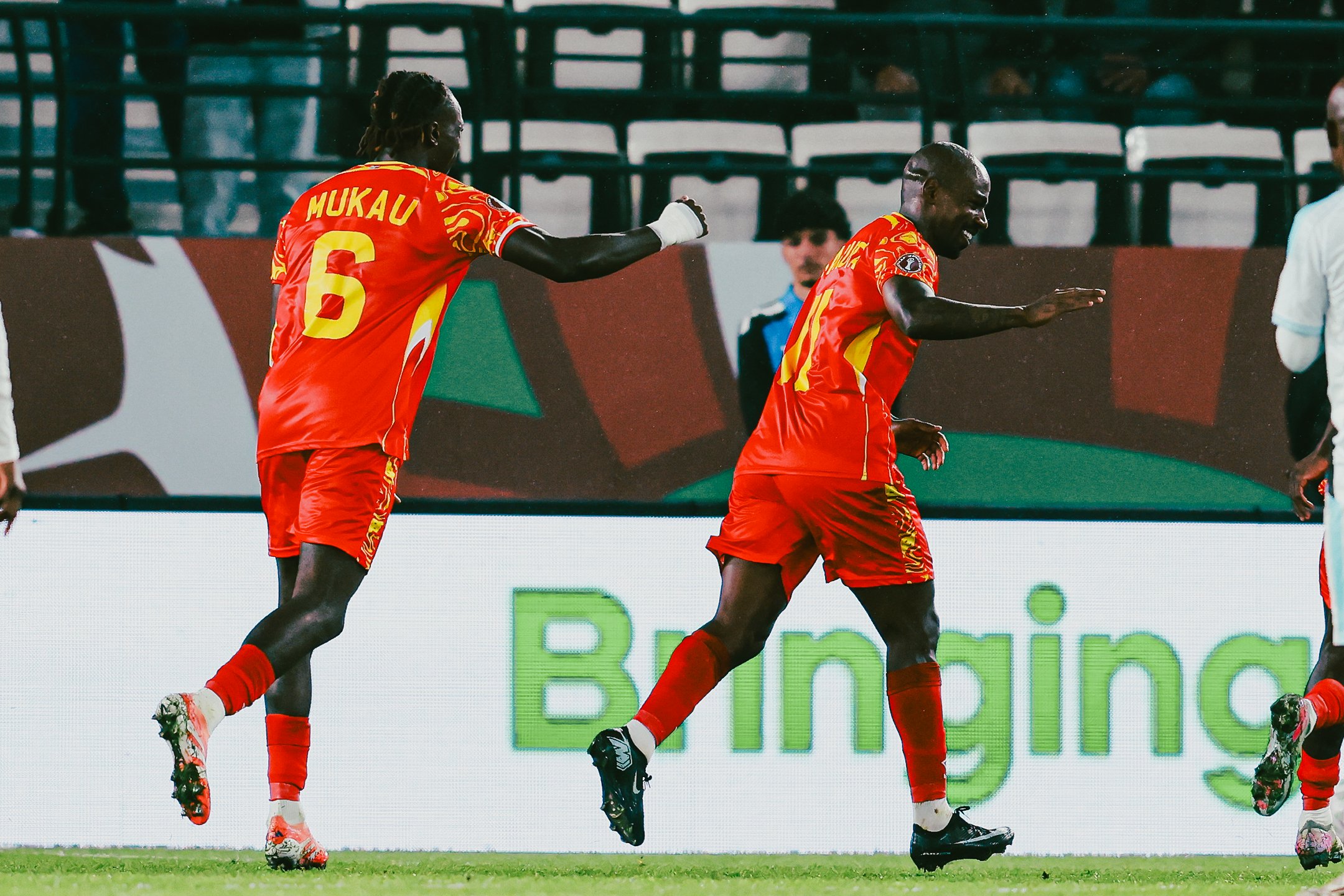
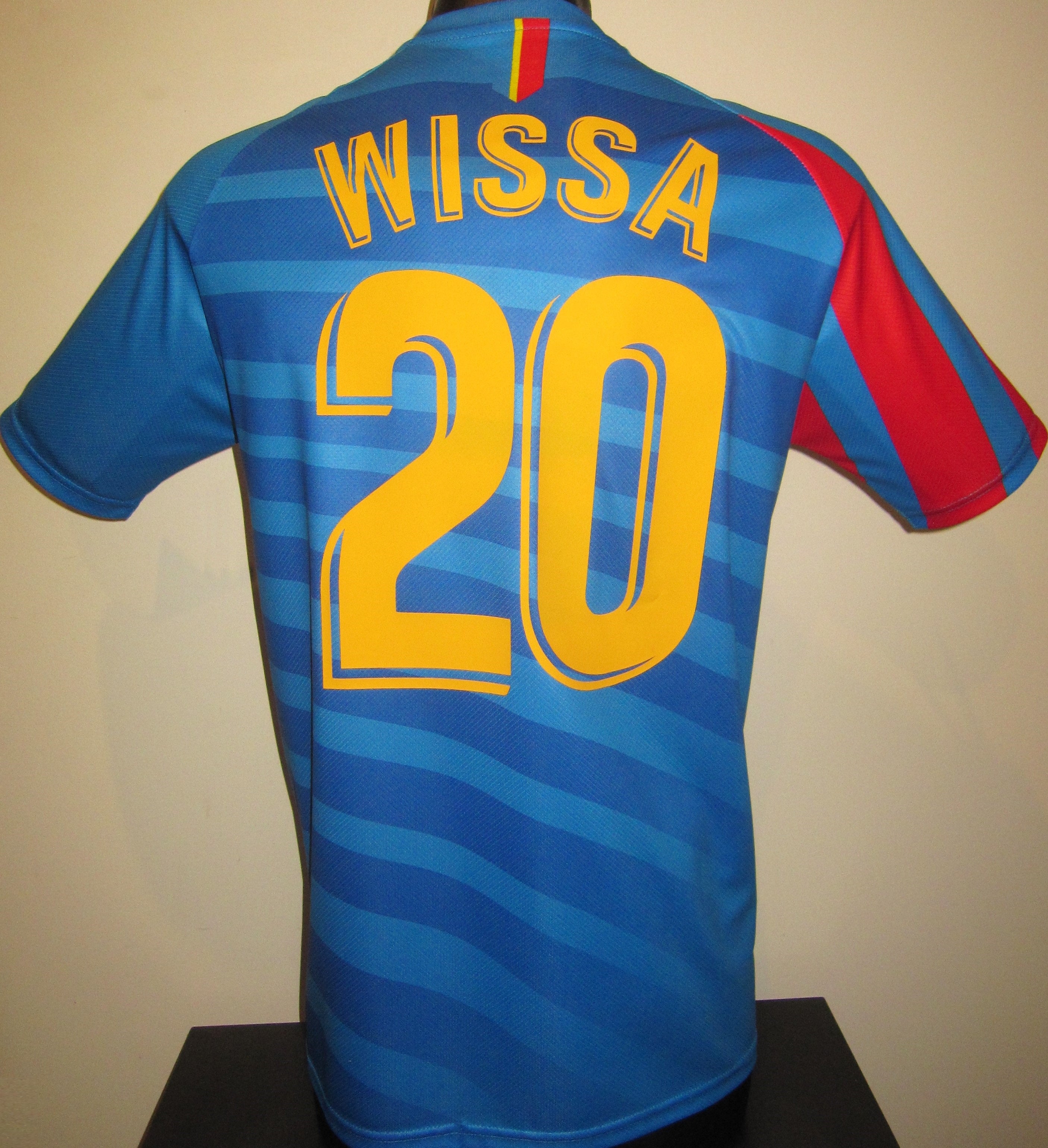
If Kakuta is the brain of the operation, Yoane Wissa is undoubtedly the heartbeat of the attack. The Premier League standout has transitioned from a promising prospect to a bona fide talisman for the national side. Wissa’s clinical finishing and ability to operate in high-pressure environments make him the primary focal point of the Congolese offensive strategy. His experience competing at the highest level of English football will be vital as the Leopards face off against some of the world’s most disciplined defensive units.
The synergy between Kakuta’s vision and Wissa’s movement is expected to be the cornerstone of the team’s tactical setup. Analysts suggest that FECOFA has designed a system that maximizes Wissa’s verticality while utilizing Kakuta’s ability to find pockets of space in congested midfields.
Defensive Solidity: The Wan-Bissaka Factor
A World Cup campaign is rarely won on attack alone, and the DR Congo has addressed this by securing elite defensive talent. The inclusion of Aaron Wan-Bissaka provides the Leopards with a world-class option in the backline. Renowned for his exceptional one-on-one defending and recovery speed, Wan-Bissaka offers a level of security that allows the team’s full-backs to push higher up the pitch without fear of being caught on the counter-attack.
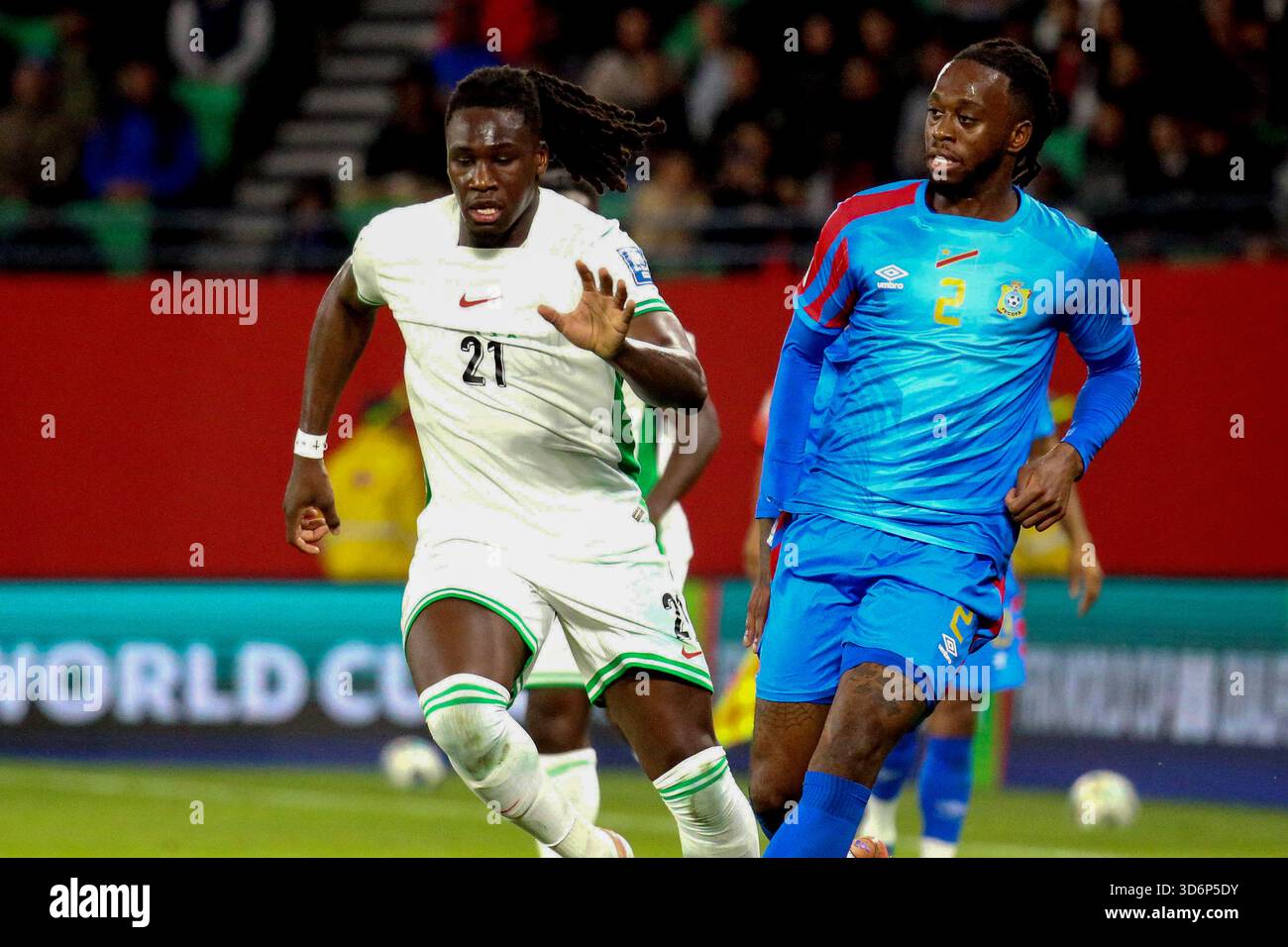
His presence in the squad is a testament to the growing influence of Congolese players in Europe’s top leagues. For a team looking to transition from a defensive posture to an attacking one, having a defender capable of winning individual duels is an indispensable asset.
Beyond the Pitch: Government Support and the ‘Lumumba’ Supporters
The excitement surrounding the 2026 World Cup has transcended the boundaries of the football pitch, evolving into a significant national movement. In a move that underscores the importance of football to the national identity, the Congolese government has signaled unprecedented support for the nation’s most iconic supporters.
The “Lumumba” supporters, a group synonymous with the passionate and rhythmic atmosphere of Congolese football, are expected to travel in significant numbers to host venues. Reports indicate that the government has moved to facilitate the logistical and financial hurdles for these dedicated fans, ensuring that the Leopards are accompanied by the “twelfth man” that has historically fueled their most iconic victories.
This institutional backing is viewed by many as a strategic effort to foster national unity through sport. By investing in the fan experience, the state is acknowledging that the success of the national team is a shared cultural triumph.
Key Takeaways: The Leopards’ 2026 Outlook
- Experienced Leadership: The inclusion of Gael Kakuta provides vital veteran leadership and tactical maturity.
- Attacking Firepower: Yoane Wissa remains the central figure in the Congolese attack, bringing top-tier European experience.
- Defensive Anchor: Aaron Wan-Bissaka offers elite-level defensive capabilities to stabilize the backline.
- National Unity: Government-backed support for the ‘Lumumba’ supporters aims to maximize the team’s home-field advantage abroad.
- Historic Significance: This tournament marks a major return to the global stage after years of rebuilding.
As the squad begins its intensive preparations, the focus shifts from selection to cohesion. The upcoming training camps will be critical in integrating the diverse talents of the squad into a unified tactical machine capable of navigating the complexities of the 2026 FIFA World Cup.
The world will be watching to see if this talented group of Leopards can turn their historic qualification into a legendary tournament run.
For further updates on the DR Congo squad training schedules and official matchday announcements, stay tuned to World Today Journal.
What are your predictions for the Leopards in 2026? Can Kakuta and Wissa lead them to the knockout stages? Let us know your thoughts in the comments below and share this story with your fellow football fans!
Keep reading