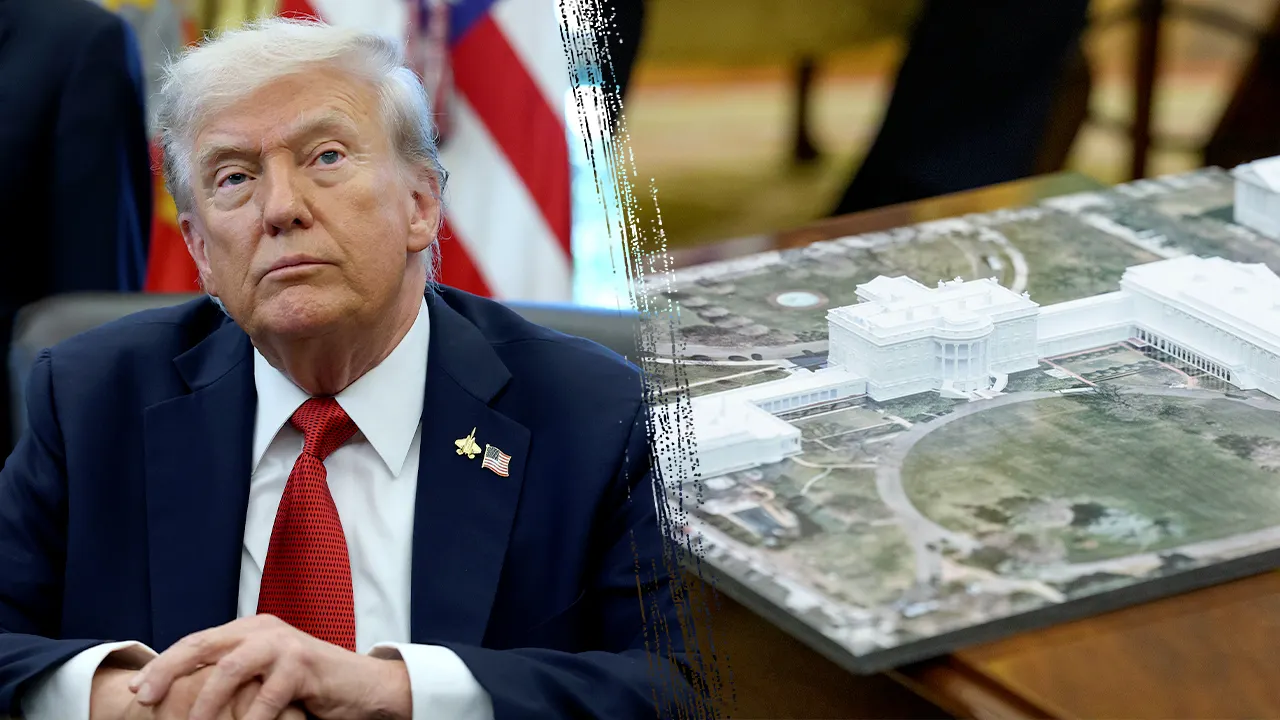
Trump White House Ballroom Funding Faces Major Senate Setback
The Trump administration’s ambitious plans to overhaul the East Wing of the White House, centered on a proposed $400 million ballroom, have encountered a significant legislative hurdle. A ruling from the Senate parliamentarian has effectively blocked the use of taxpayer funds for the project, marking a notable defeat for Senate Republicans who sought to include the project within a broader security spending package.
The decision, delivered by Senate Parliamentarian Elizabeth MacDonough, centers on the technicalities of Senate budget rules and the limitations of the budget reconciliation process. While the administration has framed the ballroom and accompanying East Wing upgrades as essential security enhancements, the parliamentarian’s ruling suggests the provision exceeds the procedural boundaries allowed under current Senate standing orders.
This setback comes at a time of heightened political friction in Washington, as the administration continues to push for significant structural and security changes to the White House. For the Republican majority, the ruling represents a tactical blow to their efforts to utilize the budget reconciliation process to advance the President’s agenda without Democratic support.
The Parliamentarian’s Ruling and the Byrd Rule
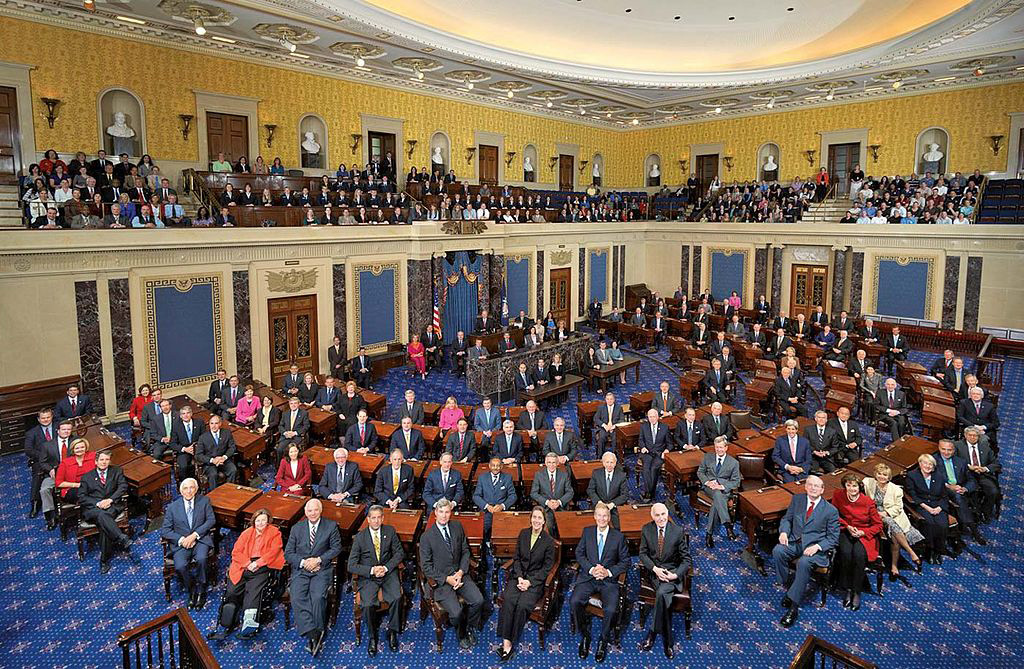
At the heart of the controversy is the “Byrd rule,” a critical Senate procedure designed to prevent the inclusion of “extraneous” non-budgetary provisions in reconciliation bills. The budget reconciliation process is a powerful tool that allows the Senate to pass certain legislation with a simple majority rather than the 60-vote threshold required to overcome a filibuster. However, this power is strictly circumscribed to ensure that the bills remain focused on matters that primarily affect federal spending, revenue, or the debt limit.
Senate Parliamentarian Elizabeth MacDonough, who has served as the upper chamber’s procedural referee since 2012, determined that the provision for the White House ballroom and East Wing overhaul was out of order. According to reports on the ruling, MacDonough concluded that the provision funds activities that fall beyond the jurisdiction of the Senate Judiciary Committee. By designating the funding as extraneous, the parliamentarian has effectively stripped the ballroom project from the current spending package.
The ruling underscores the delicate balance the parliamentarian must maintain between the legislative intent of the majority and the procedural safeguards that protect the Senate’s traditional functions. For proponents of the project, the ruling is a technicality; for critics, It’s a necessary defense against the use of budget rules to fund policy-driven projects under the guise of fiscal necessity.
Political Friction: Reconciliation and the Budget Battle
The clash over the ballroom funding has intensified the divide between Senate Republicans and Democrats. The Republican majority has increasingly relied on the budget reconciliation process to bypass Democratic opposition, a strategy that has become a cornerstone of their legislative approach. The latest attempt involved a sprawling spending package aimed at funding immigration agencies under the Department of Homeland Security, which also included a $1 billion provision dedicated to security upgrades for the White House East Wing.
Senate minority leader Chuck Schumer has been a vocal critic of the administration’s attempt to include the ballroom project in the package. On social media, Schumer characterized the move as an attempt to make taxpayers “foot the bill” for the President’s personal project. The Democratic leadership argued that security-related funding should be clearly delineated and that the ballroom project, while part of the East Wing overhaul, did not meet the strict budgetary criteria required for reconciliation.
In response to the ruling, Senate Republicans have indicated they are not abandoning the project but are instead “going back to the drawing board.” The challenge for the GOP will be to restructure the funding request in a way that complies with the Byrd rule, potentially by decoupling the ballroom construction from the broader security upgrades or by finding a different legislative vehicle to advance the project.
Security Concerns and the $400 Million Project
The administration has defended the need for the East Wing overhaul by citing recent security incidents. Specifically, officials have pointed to a shooting that occurred at a gala the President attended in April at a hotel, an event that prompted the administration to attempt to fast-track the White House renovations. The administration asserts that the $1 billion security package, which includes the $400 million ballroom project, is vital to bolstering presidential safety and modernizing the White House’s defensive capabilities.

The proposed ballroom is intended to be a centerpiece of the renovated East Wing, serving both ceremonial and social functions. However, the high cost of the project has drawn scrutiny from both sides of the aisle. While the administration maintains that the upgrades are a matter of national security, the debate has shifted toward whether such large-scale construction projects can be justified through security-focused budget provisions.
President Trump has countered the criticism by stating that private donors will ultimately fund the $400 million ballroom, suggesting that the administration’s primary goal in the Senate was to secure the broader security infrastructure rather than the ballroom itself. Nonetheless, the attempt to include the ballroom in the federal spending package remains a central point of contention in the ongoing budget negotiations.
Key Takeaways: The White House Ballroom Funding Dispute
- The Ruling: Senate Parliamentarian Elizabeth MacDonough struck down taxpayer-funded security provisions for the White House ballroom, citing the Byrd rule.
- The Reason: The provision was deemed “extraneous” and outside the jurisdiction of the Senate Judiciary Committee.
- The Cost: The ballroom project is estimated at $400 million, part of a larger $1 billion East Wing security overhaul.
- The Political Stance: Republicans sought to use budget reconciliation to pass the funding; Democrats argued the project was a misuse of taxpayer money.
- The Defense: The administration cites a shooting at an April gala as a catalyst for urgent security upgrades.
The Broader Legal and Administrative Landscape
The battle over the White House ballroom occurs against a backdrop of significant legal and administrative shifts within the current administration. This period of intense legislative activity follows several major legal developments, including a massive settlement involving the Internal Revenue Service (IRS) and the Treasury Department.
In a landmark resolution, the Justice Department recently reached a $1.776 billion settlement in a lawsuit filed by President Trump regarding the alleged unlawful leak of his tax returns. While the settlement did not include direct monetary damages for the plaintiffs, it led to the creation of an “Anti-Weaponization Fund.” This fund, directed by Acting Attorney General Todd Blanche, is intended to provide a systematic process for individuals to seek redress for claims of “lawfare” and government weaponization. The creation of this fund reflects the administration’s broader focus on addressing what it describes as the misuse of government machinery against political figures.
The intersection of these events—the fight for White House physical security and the legal battles over administrative “weaponization”—illustrates the complex and highly charged political environment currently defining Washington. As the administration moves to secure both its physical premises and its legal standing, the Senate’s procedural rules remain a formidable obstacle to rapid executive action.
Frequently Asked Questions
What is the Byrd rule?
The Byrd rule is a Senate procedure that prevents the inclusion of non-budgetary provisions in a reconciliation bill. To comply, every provision in a reconciliation bill must have a direct and significant impact on the federal budget.
Why was the ballroom funding rejected?
The Senate Parliamentarian ruled that the funding for the ballroom was “extraneous” and fell outside the jurisdiction of the Senate Judiciary Committee, meaning it did not meet the strict requirements for a budget reconciliation bill.
How much will the ballroom cost?
The proposed ballroom project is estimated to cost approximately $400 million, as part of a larger $1 billion package for East Wing security upgrades.
What happens next for the ballroom project?
Senate Republicans have indicated they are looking for an “off-ramp” or a new way to present the funding request that complies with Senate rules, effectively going “back to the drawing board.”
The next significant checkpoint in this developing story will be the Senate’s next scheduled vote on the Department of Homeland Security spending package and any subsequent attempts by the Republican majority to reintegrate the East Wing security provisions.
Do you have thoughts on the use of budget reconciliation for security upgrades? Let us know in the comments below and share this article with your network.
- Shukur Aikebaer Chino Hills Kidnapping and Murder: New Details and Court Updates
- Team England 3×3 Basketball Gold Medallists Return to Paternoster Square for London Sports Festival
- Trump Slams Iran’s Duplicity and Warns Blockade Will Remain Amid Stalled Talks (world-today-news.com)
- US Senate Pursues Bipartisan Bill to Avoid Shutdown Through Dec. 11 (time.news)