
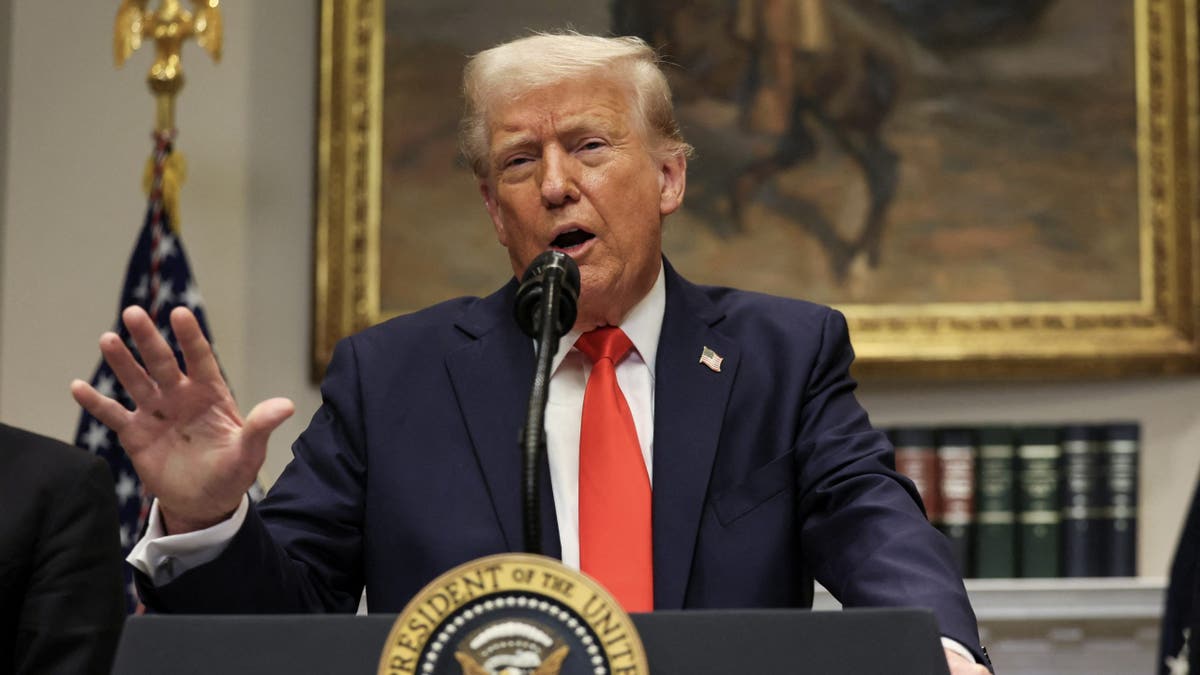
As the international community monitors the evolving security landscape in the Middle East, President Donald Trump has issued a stark warning regarding Iran’s nuclear ambitions. The administration’s recent rhetoric highlights a hardening stance on Tehran, emphasizing that the window for diplomatic resolution is narrowing significantly. This development marks a critical juncture in U.S. Foreign policy as the White House navigates heightened tensions in the Strait of Hormuz and broader regional instability.
The President’s recent remarks underscore a shift in the administration’s strategic posture, suggesting that the United States is prepared to take decisive action if current parameters are not met. For global observers and regional stakeholders, the core question remains: what specific thresholds define this limited period of time, and how will the U.S. Respond if those boundaries are crossed? This situation remains fluid, with military and diplomatic channels currently engaged in a high-stakes standoff.
Strategic Tensions and the Strait of Hormuz
The current friction between Washington and Tehran is not occurring in a vacuum. Recent reports from the Associated Press indicate that the administration’s foreign policy approach is facing significant challenges as Iran increases its influence and activity within the Strait of Hormuz. This critical maritime chokepoint, essential for global energy supplies, has become a focal point for the ongoing geopolitical competition between the two nations.
The administration’s focus on the Strait of Hormuz is part of a broader strategy that includes a robust defense of ongoing military actions in the region. According to official briefings, the U.S. Maintains that its current posture is necessary to ensure regional stability and protect international shipping lanes. However, these actions have drawn sharp criticism from Tehran, further complicating the potential for a diplomatic breakthrough.
Evaluating the Diplomatic Landscape
The concept of a “limited period of time” serves as a rhetorical and strategic deadline, intended to pressure the Iranian leadership into changing its nuclear posture. Historically, the U.S. Approach to Iran has transitioned through various stages of sanctions, direct negotiation, and military posturing. In the context of the current administration, the policy appears to prioritize direct pressure, with officials indicating that the consequences for inaction or continued development of nuclear capabilities will be severe.
Analysts note that this approach carries significant risks. The possibility of miscalculation in a volatile region is a primary concern for international observers. As the administration continues to articulate its position, the lack of a formal agreement or a clear framework for dialogue remains a significant hurdle. Whether this “limited period” will lead to a new round of negotiations or a further escalation in military activity remains the subject of intense debate among international relations experts.
Key Factors in the Current Standoff
- Geopolitical Volatility: The presence of U.S. Forces in the region and the strategic importance of the Strait of Hormuz elevate the potential for conflict.
- Nuclear Transparency: The administration continues to demand greater international oversight regarding Iran’s nuclear program.
- Sanctions and Economic Pressure: The U.S. Maintains a comprehensive sanctions regime intended to limit Iran’s ability to fund regional activities.
- Regional Alliances: The administration’s policies are closely watched by regional partners who are directly impacted by the shifting security dynamics.
What Happens Next?
As we look toward the coming weeks, the international community will be watching for any signs of movement from Tehran in response to the President’s warning. The U.S. Administration has not provided a specific calendar date for the expiration of this “limited period,” leaving the timeline open to interpretation based on ongoing intelligence and regional developments.
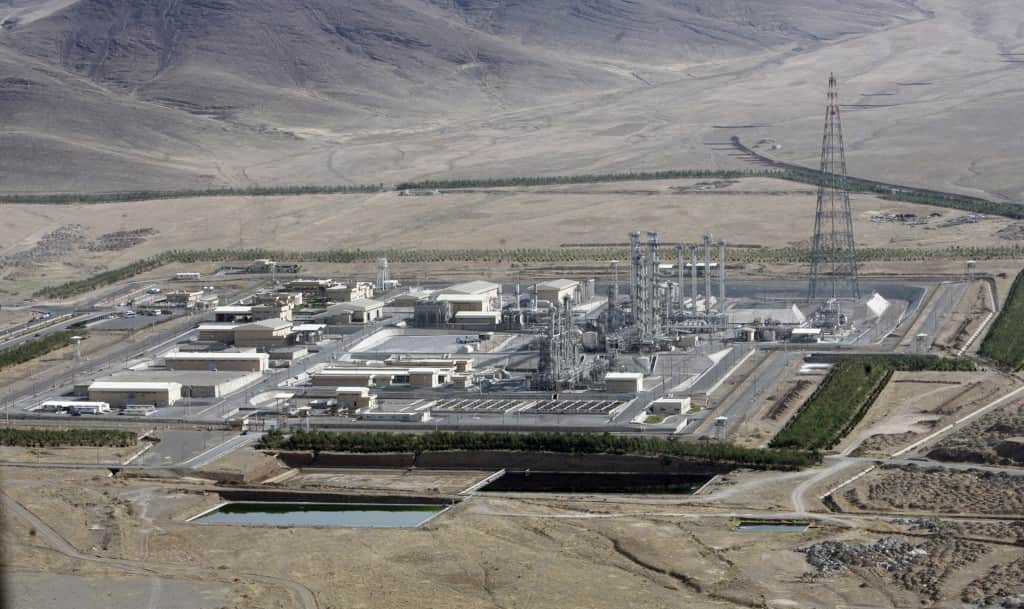
The next confirmed checkpoint for these developments will likely emerge through official statements from the White House or the Department of State, particularly as they relate to upcoming reports from international nuclear monitoring agencies. We encourage our readers to stay informed through verified updates from government portals and to share their perspectives on these critical geopolitical developments in the comments section below.