Severe drought and extreme heat have forced nuclear power plants to shut down or slash output across Romania and Hungary as water levels on the Danube River drop to historic lows, triggering emergency energy conservation measures and industrial shutdowns throughout the region in August 2026.
Romania Detonates Danube Rocks to Rescue Cernavodǎ Reactor
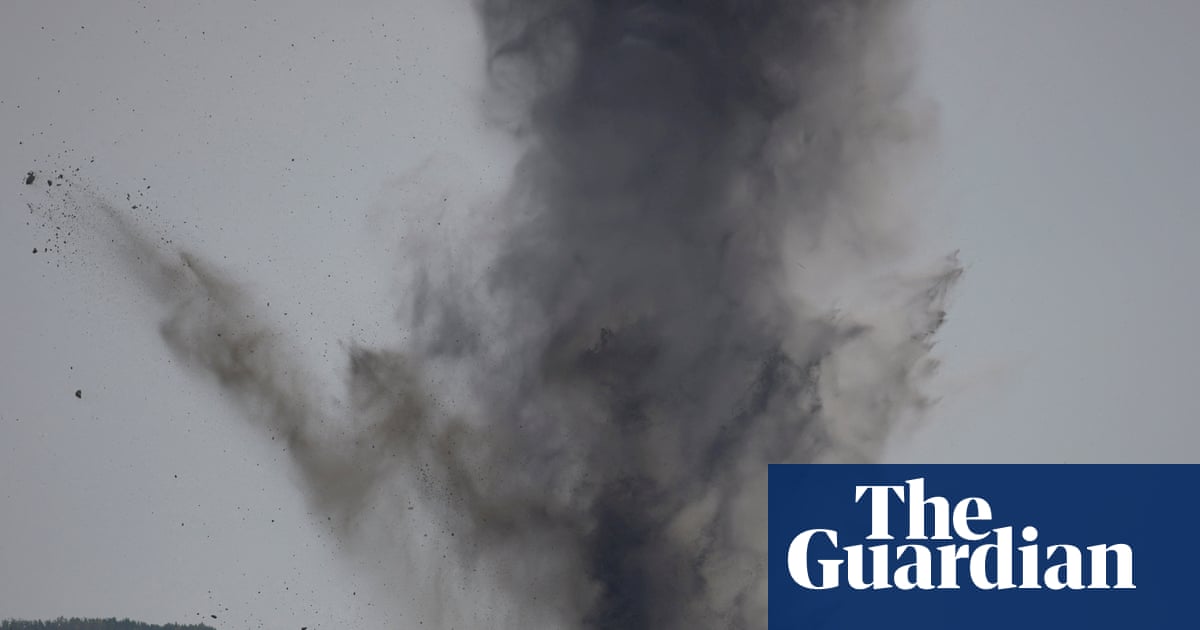
Romanian naval forces used 180 kilograms of explosives in a controlled blast near the Bala Canal on August 3, 2026, to clear a rock outcrop that was blocking vital cooling water from reaching the country’s sole operational nuclear facility.
The Cernavodǎ nuclear power plant normally generates about 20 per cent of Romania’s electricity demand. However, falling river levels forced operators to take one of its two reactors offline early last week.
“Any day past Wednesday or Thursday that the nuclear power plant functions is a gain,” Romania’s defence minister, Radu Miruțǎ, said on Monday. “A day of it functioning is three times more efficient than the costs of this operation.”
Radu Miruțǎ, Romania’s defence minister
Defence Minister Radu Miruta noted that the military had attempted to remove the stubborn rock unsuccessfully for 30 years. Engineers hope the blasted fragments, which are being barged away and sunk to build a temporary dam, will successfully channel sufficient water toward the remaining reactor by Wednesday.
Hungary Secures Brief Reprieve at Paks Nuclear Station
Further upstream in AP News, the Soviet-built Paks nuclear plant has been pushed to the brink of a complete shutdown for the first time in its 44-year history. The Danube water level in Budapest fell to roughly 10 centimeters on Monday, diving well beneath the previous record low of 33 centimeters set in 2018.

The 2-gigawatt Paks facility, which normally accounts for nearly half of Hungary’s electricity production, was operating at just over 10 per cent of its capacity on Monday, producing only 240 megawatts. Hungarian Prime Minister Péter Magyar announced that engineers temporarily maintained the final operating turbine, avoiding a weekend blackout.
“Today and maybe tomorrow the last turbine producing 240 megawatts can keep working. This is very good news, as the complete shutdown of the plant can be avoided on one of the days with the highest consumption.”
Péter Magyar, Hungary’s prime minister
While authorities initially warned that Paks might shut down entirely by Sunday, updated water-level forecasts became slightly more optimistic, pushing the expected total shutdown timeline to Tuesday or Wednesday.
Industrial Power Restrictions and Voluntary Savings Across Eastern Europe
Both nations have instituted national conservation measures to stave off grid failure as extreme heat waves push daytime temperatures past 38 degrees Celsius. Acting Prime Minister Ilie Bolojan declared a nationwide state of alert in Romania’s energy sector on Friday, noting that drought hardships are compounded by limited trans-border import capacity with central and western Europe.
- Renault-owned Dacia and Ford car-making plants in Romania agreed to halt vehicle production until August 19, trimming peak electricity demand by approximately 200 megawatts (Reuters).
Bleak Meteorological Outlook and Relics on Exposed Riverbeds
With no meaningful rainfall forecast along the 10-country course of the Danube in the coming days, water levels show no immediate sign of recovery.