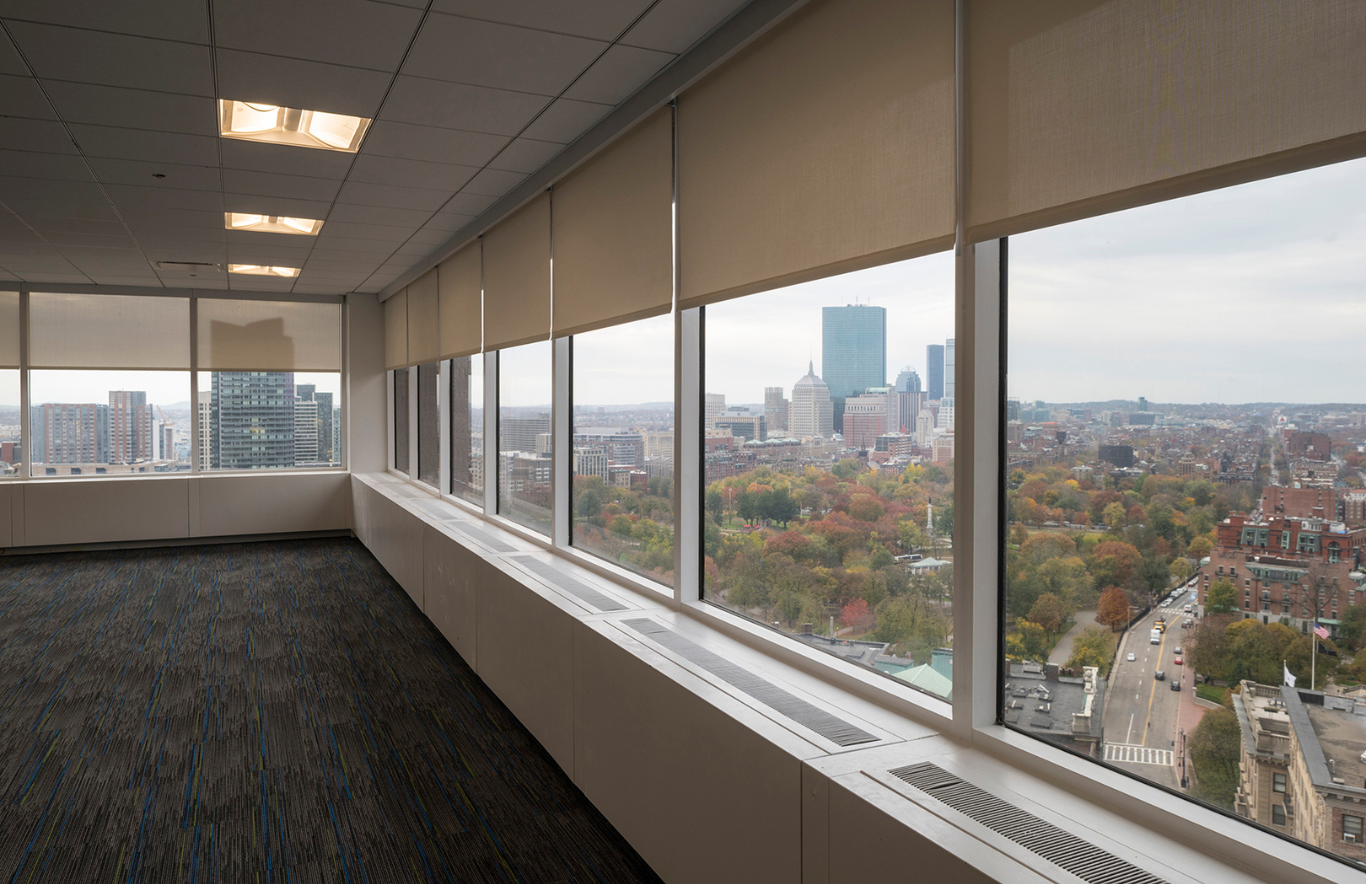
In the realm of public health and facility management, the smallest design details often carry the most significant implications for safety. For years, traditional window treatments have relied on cords and chains—elements that, while functional, present inherent risks in high-occupancy environments. The transition toward the cordless window shade represents a critical shift in how we approach interior safety, blending minimalist aesthetics with a necessary commitment to harm reduction.
Addressing this need, Draper Inc. Has introduced Elevate™, a manual shade system specifically engineered to remove the hazards associated with exposed cords. By eliminating these components entirely, the system provides a tamper-resistant solution that aligns with emerging safety guidelines, making it a viable option for spaces where occupant safety is paramount according to industry reports.
As a physician and health journalist, I have observed how the environment of a room can either hinder or support the wellbeing of its occupants. Whether in a sterile patient room or a bustling classroom, the removal of potential entanglement hazards and the introduction of intuitive, effortless controls contribute to a more secure and less stressful atmosphere.
Engineering Precision: The Role of BalanceFit Technology
The effectiveness of a cordless system depends heavily on its ability to remain stable without the mechanical leverage of a cord. To solve this, the Elevate system utilizes exclusive patented BalanceFit™ Technology via Draper, Inc.. This engineering allows for precision manual control, ensuring that the shade operates smoothly and quietly while maintaining precise alignment across the window.

One of the primary challenges with cordless manual shades is “drift,” where the shade may slide down or fail to stay in a fixed position. The integration of BalanceFit Technology is designed to provide drift-free operation and lasting reliability via Draper at Home. This ensures that the system maintains a balanced operation over time, regardless of how frequently it is adjusted.
From a user-experience perspective, the system is designed for intuitive operation. Occupants can raise or lower the shade using a single, natural motion. This simplicity is not merely a convenience; it is a functional requirement in environments where users may have limited mobility or where rapid adjustments are necessary to manage light and privacy.
Optimizing High-Traffic and Sensitive Environments
The design of the Elevate system is specifically targeted toward architects, commercial dealers, and specifiers who are tasked with outfitting professional spaces. Due to the fact that it eliminates exposed chains, it is particularly well-suited for environments where safety and tamper-resistance are essential requirements via HCO News.
Key environments that benefit from this cordless approach include:
- Patient Rooms: Reducing physical hazards for patients with limited mobility or cognitive impairments.
- Classrooms: Providing a safe, tamper-resistant shading solution for children and students.
- Professional Offices: Maintaining a clean, minimalist appearance that reduces visual clutter and enhances the modern aesthetic.
By supporting compliance with emerging safety guidelines, these shading solutions allow facility managers to proactively address risk before accidents occur. The shift toward minimalist, cordless designs reflects a broader trend in healthcare and educational architecture: the prioritization of “invisible safety,” where the environment is engineered to be safe by default without compromising on form or function.
Key Technical Takeaways
| Feature | Benefit |
|---|---|
| BalanceFit™ Technology | Precision control and drift-free operation |
| Cordless Design | Eliminates entanglement hazards and supports safety compliance |
| Manual Motion | Intuitive, single-motion control for ease of use |
| Tamper-Resistant | Ideal for classrooms and patient care settings |
As we continue to refine the standards for safe interior environments, the adoption of cordless technology in commercial and medical spaces marks a significant step forward. By removing the risks associated with traditional cords, we create spaces that are not only more contemporary in appearance but fundamentally safer for everyone who occupies them.
For those involved in commercial specification or healthcare facility design, updates regarding safety guidelines and new shading technologies can be found through official manufacturer documentation and architectural safety standards.
Do you believe cordless solutions should be mandated in all educational and healthcare settings? Share your thoughts in the comments below.
Related reading