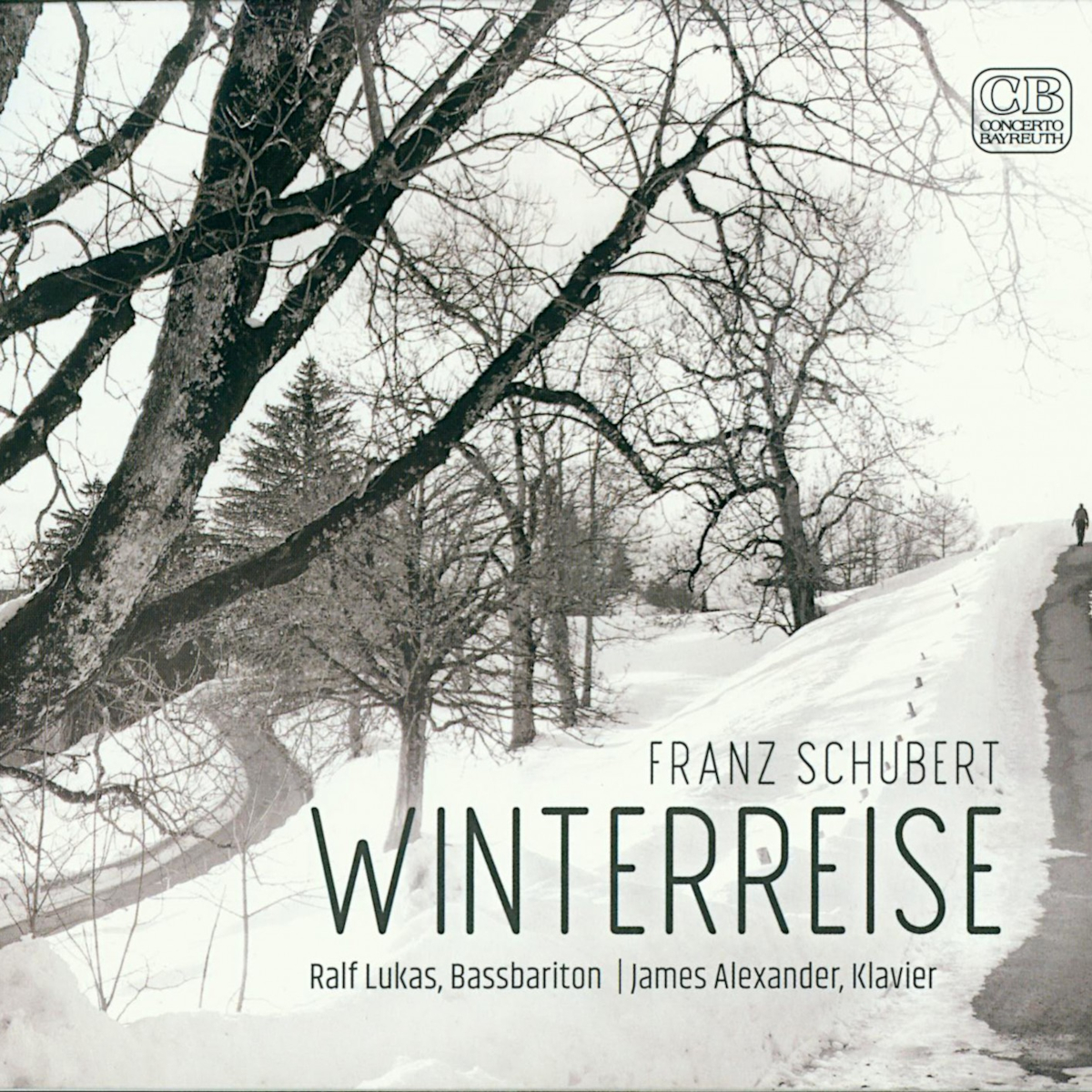
The haunting depths of Franz Schubert’s Winterreise (Winter Journey) continue to resonate with audiences worldwide, offering a stark exploration of isolation, heartbreak and the human psyche. In a new recording featuring Ralf Lukas, presented through “Der Opernfreund,” this seminal song cycle is brought back to the forefront, inviting listeners to experience the desolate journey of a weary wanderer.
Composed in 1827, Winterreise stands as one of the most significant achievements of the early Romantic era. Setting the poetry of Wilhelm Müller to music, Schubert created a narrative arc that transcends simple melody, transforming the Lieder format into a profound psychological study. The cycle follows a protagonist who, driven by loss, wanders through a frozen landscape, mirroring his own internal emotional devastation.
For the global listener, the appeal of Winterreise lies in its universal themes of alienation. Whether experienced through a modern recording or a live performance, the interaction between the piano and the vocalist captures a specific kind of existential dread that remains relevant in the 21st century. The recording by Ralf Lukas focuses on these nuances, navigating the thin line between quiet resignation and explosive grief.
The Poetic Desolation of Wilhelm Müller
The foundation of the cycle is the lyric poetry of Wilhelm Müller, a German poet whose “Wanderlieder” provided the raw material for Schubert’s composition. Müller’s work is characterized by its stark imagery and a sense of inevitable decline, which Schubert amplified through daring harmonic shifts and repetitive rhythmic patterns that evoke the mechanical, trudging step of a traveler in the snow.

The narrative is not a linear story but a series of emotional snapshots. The wanderer does not reach a destination; instead, he descends deeper into his own sorrow. This structure allows the performer to highlight different facets of grief—from the initial shock of betrayal to the final, numb acceptance of fate.
Analyzing “Gefrorne Tränen”: The Paradox of Ice and Fire
One of the most poignant moments in the cycle is the song “Gefrorne Tränen” (Frozen Tears), cataloged as D 911. This piece serves as a critical emotional pivot, where the wanderer confronts the physical manifestation of his sorrow. The lyrics describe a state of such profound cold that the act of weeping itself becomes frozen.
As detailed in the Schubert Song Texts archive, the poem opens with the observation: “Gefrorne Tropfen fallen / Von meinen Wangen ab” (Frozen drops fall from my cheeks). The wanderer is so detached from his own existence that he asks if it had escaped his notice that he had been weeping at all.
The emotional core of “Gefrorne Tränen” lies in the contrast between the external environment and the internal state. The lyrics pose a question to the tears, asking if they are so “tepid” that they turn to ice, comparing them to “kühler Morgentau” (cold morning dew). However, this external freezing is contrasted with a scalding internal heat. The tears are described as welling up “so glühend heiß” (so glowing hot) from the source within the breast, as if they possessed the power to “zerschmelzen / Des ganzen Winters Eis” (melt all the ice of winter).
This paradox—tears that are hot at their source but freeze the moment they touch the air—symbolizes the wanderer’s isolation. His passion and pain are intense, yet they are rendered useless and frozen by the oppressive cold of his reality. In the context of the Ralf Lukas recording, this tension provides a rich opportunity for vocal expression, moving from the muted tones of the frozen exterior to the intensity of the internal fire.
Key Elements of “Gefrorne Tränen” (D 911)
| Element | Detail |
|---|---|
| Composer | Franz Schubert |
| Poet | Wilhelm Müller |
| Composition Date | February 1827 |
| Central Theme | The paradox of internal passion vs. External freezing |
| Catalog Number | D 911 / Opus 89-3 |
The Legacy of Schubert’s Lieder
Franz Schubert’s contribution to the art song, or Lied, cannot be overstated. He moved the genre beyond simple accompaniment, treating the piano as a secondary narrator that provides atmospheric context. In Winterreise, the piano often represents the wind, the crunching of snow, or the rhythmic persistence of the wanderer’s journey.
According to records from schubertlied.de, the cycle was part of a broader movement in the 19th century to merge high poetry with complex musical structures. Schubert’s ability to capture the “stimmung” (mood) of Müller’s poetry ensured that Winterreise would remain a benchmark for every vocalist attempting the cycle.
For a contemporary artist like Ralf Lukas, interpreting these works requires more than technical precision; it requires an understanding of the “todmüden” (death-weary) nature of the protagonist. The journey begins in silence and breaks only sporadically, mirroring the fragmentation of a mind pushed to its limits.
The recording provided via “Der Opernfreund” allows listeners to engage with these works in a curated environment, emphasizing the intimacy of the Lieder format. By stripping away the grandeur of a full opera house, the focus remains on the raw emotional exchange between the voice and the keyboard.
As the wanderer continues his path through the frozen landscape, “Gefrorne Tränen” remains a haunting reminder of the pain that persists even when the world around us has turned to ice. The enduring power of Schubert’s music lies in its refusal to offer straightforward comfort, instead choosing to dwell in the honest, cold reality of the human heart.
Further updates regarding the release and availability of the “Schubert: Winterreise” recording by Ralf Lukas are expected to be shared through official “Der Opernfreund” channels.
Do you have a favorite movement from Winterreise? Share your thoughts on Schubert’s enduring influence in the comments below.
Related reading