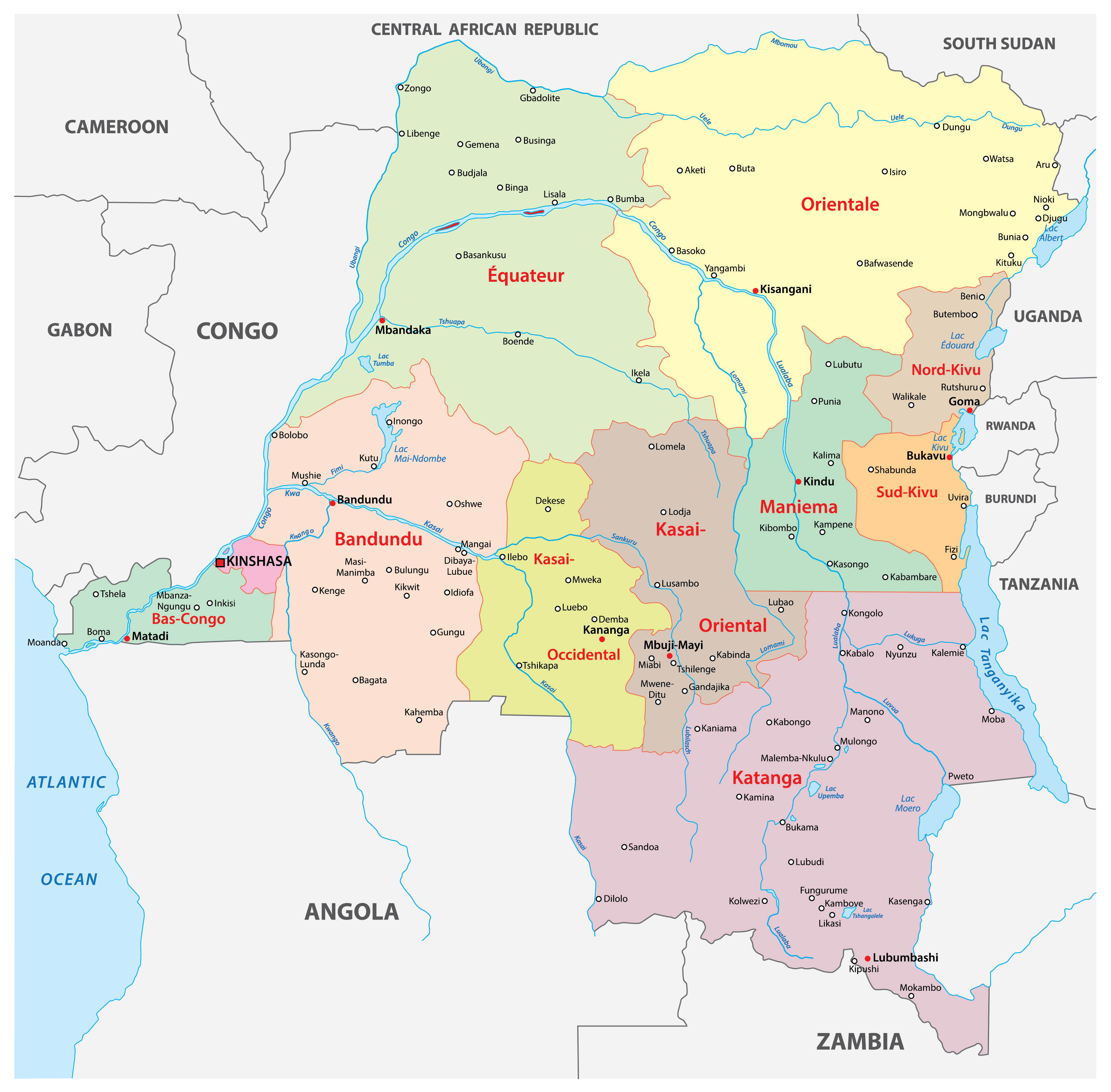
International health agencies and foreign medical missions are reinforcing public health operations in the Democratic Republic of the Congo as response teams battle a complex viral outbreak. A specialized team of medical experts deployed from China has arrived in the country to support local health authorities, marking a continued international commitment to containment efforts led by the Ministry of Health and global partners.
The latest arrivals join ongoing medical operations directed at curbing transmission chains, treating patients, and bolstering infection prevention and control protocols across affected health zones. Public health officials emphasize that community engagement, rapid diagnostic testing, and coordinated logistical support remain vital to blunting the trajectory of the outbreak.
With thousands of recorded cases reported across multiple provinces over the course of the multi-year epidemic, health organizations continue to navigate severe operational hurdles. Remote terrain, security challenges, and community apprehension have historically complicated epidemiological interventions, requiring sustained collaboration between domestic responders and international aid organizations.
International Collaboration and Medical Reinforcements
The deployment of foreign medical specialists forms part of a broader bilateral and multilateral effort to share clinical expertise, laboratory resources, and epidemiological tracking tools. According to reports from the World Health Organization, international support is channeled directly through established national response coordination frameworks to ensure medical interventions align with local protocols and clinical guidelines.
Previous delegations from partner nations have assisted with training local healthcare workers, establishing treatment centers, and managing cold-chain logistics for experimental therapeutics and preventive supplies. Medical personnel arriving in the region typically work alongside Congolese physicians and epidemiologists to monitor contact tracing networks and evaluate treatment efficacy in high-risk zones.
Epidemiological surveillance units rely heavily on real-time data collection to map transmission pathways and allocate scarce medical supplies where they are most urgently needed. Health authorities maintain that strengthening local laboratory capacity has significantly reduced turnaround times for diagnostic confirmation, allowing treatment teams to isolate positive cases more efficiently.
Ongoing Challenges in Disease Control
Managing large-scale infectious disease events in densely populated or politically volatile regions presents severe logistical tests for humanitarian agencies. Supply lines for personal protective equipment, rehydration fluids, and specialized medical waste management require continuous air and road transport coordination.
Public health experts have repeatedly noted that community trust is the cornerstone of any successful containment strategy. Outreach teams comprising local communicators, traditional leaders, and health workers routinely conduct door-to-door education campaigns to address safety misconceptions and encourage early reporting of symptoms.
Delays in seeking medical care remain a primary driver of mortality, as patients frequently arrive at treatment centers only after advanced symptoms have manifested. Clinical specialists stress that early administration of supportive care and approved therapeutics dramatically improves survival outcomes for infected individuals.
Next Steps and Official Guidance
Response coordinators will continue evaluating deployment strategies as epidemiological data shifts across active zones. National health authorities and international partners hold regular coordination briefings to assess resource allocation and review field data from treatment units.
Residents in affected regions are advised to consult updates issued by the Ministry of Public Health and the World Health Organization for verified guidance on infection control measures and health advisories. Stakeholders are encouraged to share this report and follow official channels for ongoing updates regarding public health deployments in the region.
Related reading
- Actor Shin Hyun-joon’s Family Chosen as Seoul’s 4th ‘Seoul I Ambassador’ for Pregnancy and Childcare Policies
- Industrial Container Recycling and Waste Management Services: A Practical Guide for Businesses
- Roberville-les-Bains Sees Record Tourism Surge Due to Extreme Heatwaves (world-today-news.com)
- Major Bank Household Loans Surge in July Despite Strict Regulations (archyde.com)