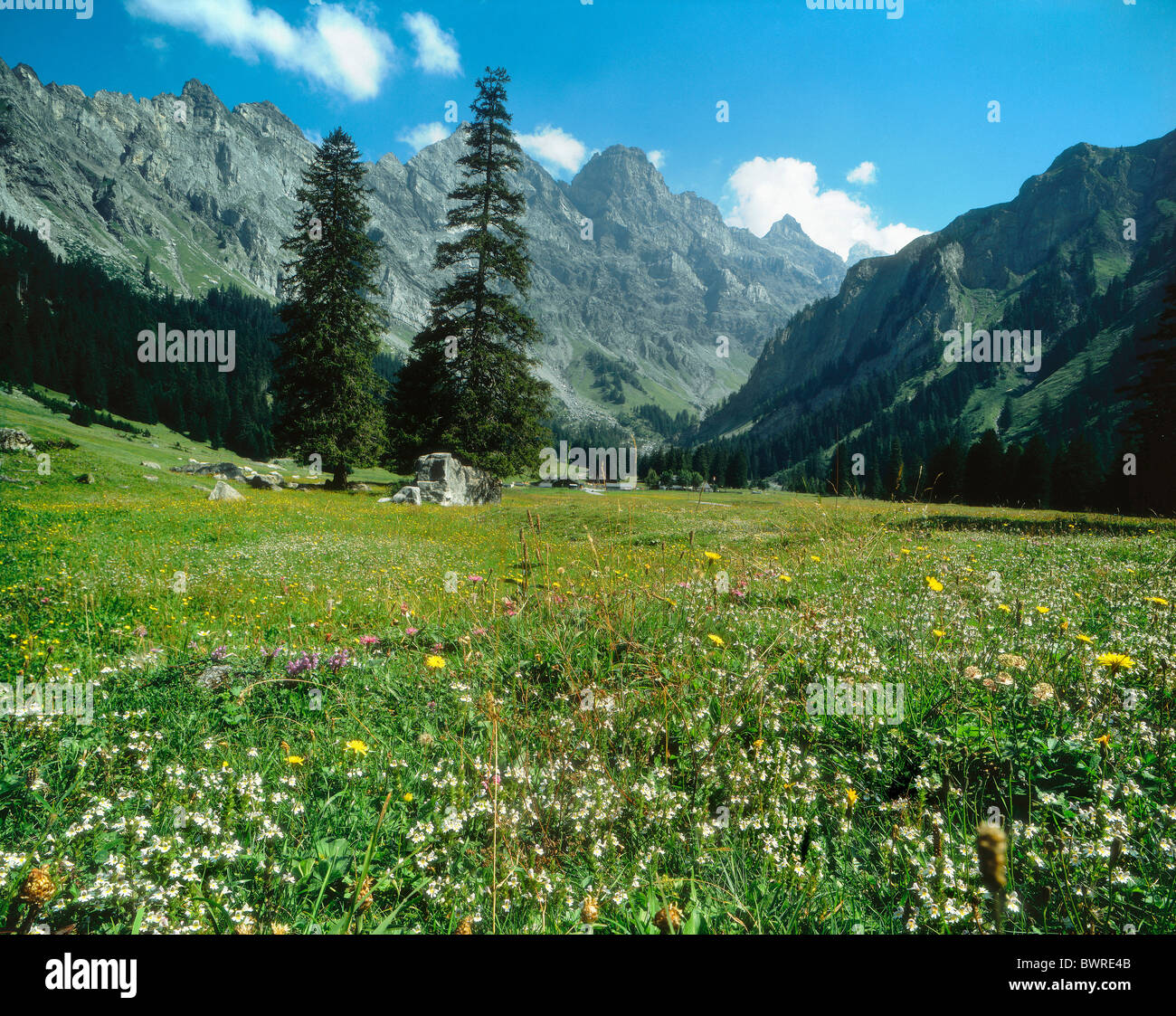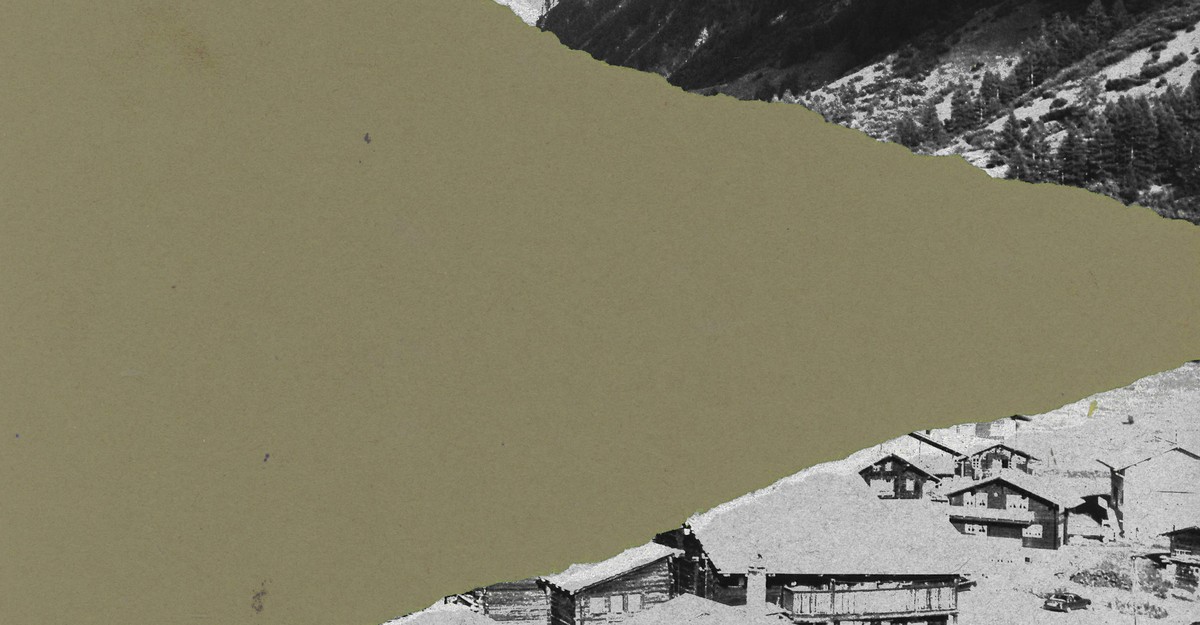
The July 2026 print edition features a new literary work titled “The Road Wound Upward,” a poem that chronicles a reflective journey through the Swiss Alps. The text captures a sensory-rich passage through the villages of Huémoz, Chésières, and Barboleusaz, framing the landscape not merely as a physical destination, but as a meditation on the human experience, the passage of time, and the quiet interactions that define a life.
For readers familiar with the geography of the Vaud Alps, the poem serves as a cartography of memory. The narrative describes a traveler moving through dark woods and agricultural settings—specifically noting the presence of silage and cow manure—before arriving at the elevated chalets that characterize the region. This juxtaposition of the mundane with the sublime, such as the vibration of geraniums against historic architecture, grounds the poem in a tangible, recognizable reality. According to historical records of the region, these villages are situated in the Ollon municipality, a gateway to the Villars-sur-Ollon resort area, which has long been a site for alpine transit and reflection for travelers and residents alike. The Municipality of Ollon official website provides further context regarding the preservation of these traditional mountain settlements and their ongoing role in regional heritage.
The Geography of Memory
The poem’s focus on the names “Huémoz,” “Chésières,” and “Barboleusaz” serves as a linguistic anchor. By highlighting these specific locations, the work emphasizes the importance of place-naming in the construction of personal history. The traveler’s journey is marked by the transition from the sensory density of the lower villages to the expansive, snow-dusted vistas of the higher altitudes. The “high snowfields” mentioned in the text are a defining feature of the Diablerets massif, which dominates the horizon in this part of the Vaud Alps. The Villars-Les Diablerets tourism authority notes that these high-altitude environments remain critical to the region’s environmental and recreational identity, serving as a primary point of interest for those traversing the mountain passes.
The narrative arc concludes with a quiet, human encounter: a man and a boy sitting beside the road who raise their hands in greeting. This moment of connection, set against the backdrop of a path leading to a cemetery, introduces themes of mortality and the continuity of generations. It suggests that the “road” is both a literal alpine route and a metaphor for the stages of life, where the traveler observes the world with a mixture of reverence and acceptance.
Literary Significance and Context
In literary analysis, the use of alpine landscapes to represent psychological states is a well-established tradition. “The Road Wound Upward” contributes to this tradition by focusing on the “needs of the body” and the “rising joy” found in movement. The poem avoids the grandiosity often associated with mountain literature, favoring instead the “clattering of water in log troughs” and the simple, silent poetry of the trees. This approach mirrors the broader, ongoing dialogue in contemporary nature poetry regarding the necessity of slow, intentional observation in an era of perceived urgency.
The publication of this work in the July 2026 edition highlights a continued interest in how regional landscapes shape global perspectives. As noted by the Literary Arts organization, the intersection of geography and personal narrative remains a vital component of contemporary creative output, providing readers with a sense of place that transcends borders. The poem’s inclusion in a mid-summer print issue aligns with the peak season for alpine travel in Switzerland, allowing readers to engage with the text while the landscape it describes is at its most accessible.
What Happens Next
The July 2026 edition is currently available through major literary distributors and regional bookstores. Readers interested in the specific locations mentioned—Huémoz, Chésières, and Barboleusaz—can consult regional planning documents or tourism archives for more information on the history of these alpine settlements. The next scheduled update regarding regional cultural programming in the Vaud Alps is expected to be released by the local cultural office in late August 2026. We encourage our readers to share their own experiences of the Vaud Alps in the comments section below or via our social media channels.