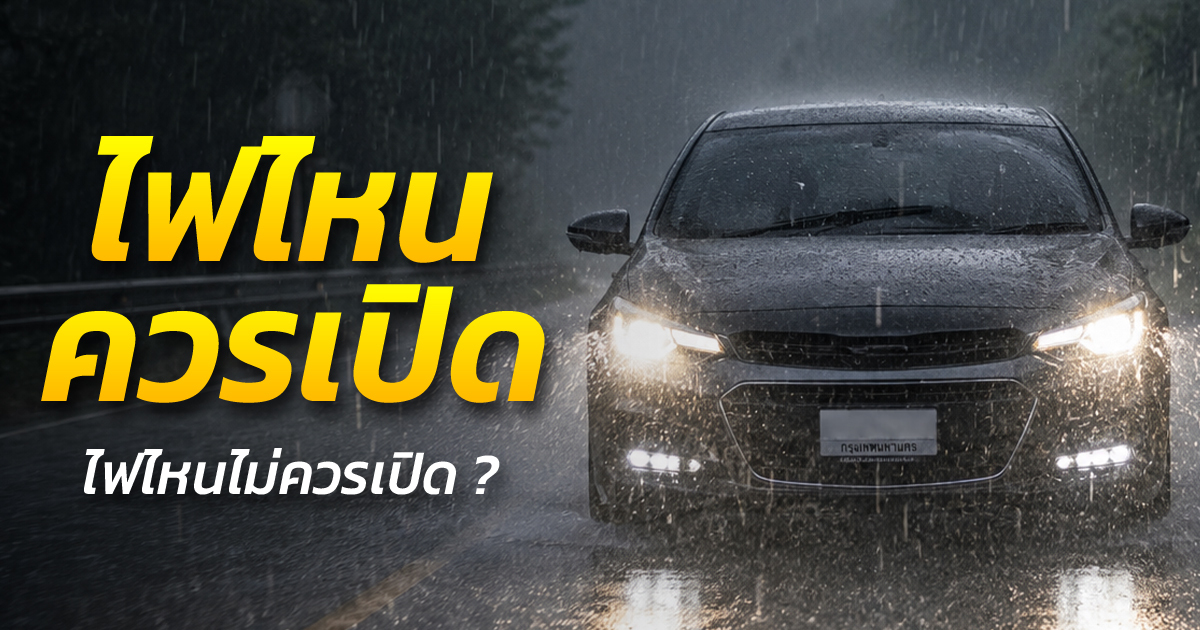
As a technology editor who spends as much time analyzing automotive safety systems as I do reviewing the latest consumer electronics, I have noticed a recurring issue on the roads: the widespread confusion surrounding vehicle lighting protocols during inclement weather. Driving in heavy rain is one of the most challenging scenarios for both human drivers and advanced driver-assistance systems (ADAS). While modern vehicles are increasingly equipped with sophisticated sensors, the fundamental responsibility for signaling intent and visibility remains with the driver. Understanding how to use car lights in the rain is not just a matter of convenience. It’s a critical component of road safety that many motorists still navigate incorrectly.
The core of the problem lies in the misconception that hazard lights—or “emergency flashers”—should be activated simply because visibility has decreased due to precipitation. In reality, traffic safety authorities across the globe, including the National Highway Traffic Safety Administration (NHTSA), consistently advise against the use of hazard lights while a vehicle is in motion. When you are moving, your primary goal is to signal your direction and presence to other drivers. Using hazards while driving can confuse other motorists, potentially masking your turn signals and creating a dangerous ambiguity in high-speed traffic.
In this guide, we will break down the correct lighting procedures to ensure you remain visible and predictable, whether you are navigating a light drizzle or a torrential downpour. By adhering to standardized protocols, you contribute to a safer driving environment for everyone on the road.
The Golden Rule: Low-Beam Headlights are Essential
When the rain starts to fall, the first and most important action is to switch on your low-beam headlights. Many drivers mistakenly believe that if it is still daylight, their headlights are unnecessary. However, in rainy conditions, your vehicle’s visibility to others is significantly reduced. Low-beam headlights do more than just help you see the road; they ensure that your taillights are illuminated, which is vital for the driver behind you.
According to the American Automobile Association (AAA), using low-beam headlights increases your vehicle’s profile, making it easier for oncoming traffic to gauge your distance and speed. High beams, conversely, should be strictly avoided. In rain, the light from your high beams reflects off the water droplets in the air, creating a “glare effect” that can severely impair your own vision and blind oncoming drivers. Always stick to low beams to maintain optimal clarity.
Why Hazard Lights Should Stay Off While Moving
The use of hazard lights while driving is a common but often misguided practice. Many drivers turn them on during heavy rain, thinking it makes them more “visible” to others. However, traffic safety experts warn that this practice is counterproductive. When your hazard lights are flashing, your vehicle’s turn signals are usually disabled. If you need to change lanes or make a turn, other drivers will have no way of knowing your intent.
hazard lights are legally restricted in many jurisdictions to vehicles that are stopped or disabled. Using them while moving can lead to confusion, as other drivers may assume you have broken down or are preparing to stop abruptly. If the rain is so heavy that you feel you absolutely must use your hazard lights to be seen, the safest course of action is to pull over to a safe location—off the roadway—and then activate your hazards. This distinguishes your vehicle as a stationary object that requires caution, rather than a moving vehicle that is signaling incorrectly.
Understanding Daytime Running Lights (DRLs)
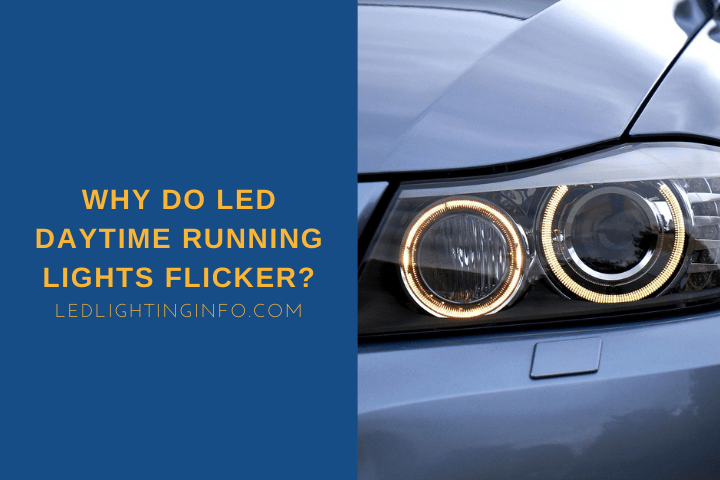
A common point of confusion for owners of modern vehicles is the role of Daytime Running Lights (DRLs). While DRLs are designed to make your car more conspicuous during the day, they are not a substitute for proper headlights in the rain. In many vehicles, DRLs do not activate the taillights. This means that while you might be able to see ahead, the driver following you may not see your car clearly because your rear lights remain dark.
Always verify your vehicle’s lighting settings. If your car has an “Auto” light setting, it may trigger the full headlight system when it detects low light conditions, but it is not always sensitive enough to account for heavy rain during daylight hours. As a driver, you must take manual control if the conditions warrant it. If you can see the need for extra visibility, do not wait for the car’s sensors to make the decision for you.
Key Takeaways for Rainy Weather Driving
- Use Low-Beams: Always turn on your low-beam headlights. This activates your taillights and helps other drivers see you.
- Avoid High-Beams: High-beams create glare by reflecting off raindrops, which reduces your visibility and annoys other drivers.
- Hazard Lights are for Emergencies: Only use hazard lights if you are stopped or moving extremely slowly due to a vehicle malfunction. Never use them while driving at normal speeds.
- Check Your Tail Lights: Ensure your rear lights are functional, as these are your primary communication with the driver behind you.
- Increase Following Distance: Along with proper lighting, increasing your following distance provides more time to react to the vehicle ahead of you.
Safety Beyond Lighting: A Holistic Approach
While mastering vehicle lighting is a significant step toward safety, it is part of a larger defensive driving strategy. Rainy weather often leads to slick road surfaces, which can trigger hydroplaning. According to data from the Federal Highway Administration, weather-related crashes account for a significant percentage of total vehicle accidents annually, with a large portion occurring on wet pavement. Ensuring your tires have adequate tread depth and are properly inflated is just as important as ensuring your lights are set correctly.

If you find yourself in a situation where the rain is coming down so hard that you cannot see the road markings or the vehicle in front of you, the most responsible decision is to find a safe place to pull over. Wait for the intensity of the storm to subside before continuing your journey. Your safety, and the safety of those around you, should always take precedence over your arrival time.
As we head into the next season of unpredictable weather, I encourage all drivers to perform a quick “safety check” of their vehicle’s exterior lighting. Take a moment to walk around your car while the lights are on to confirm that all bulbs are operational. If you notice a dim light or a burnt-out bulb, address it immediately. For further information on regional traffic laws, consult your local department of transportation website for the latest safety advisories. Stay safe on the roads, and feel free to share your own experiences or questions in the comments below.
Worth a look