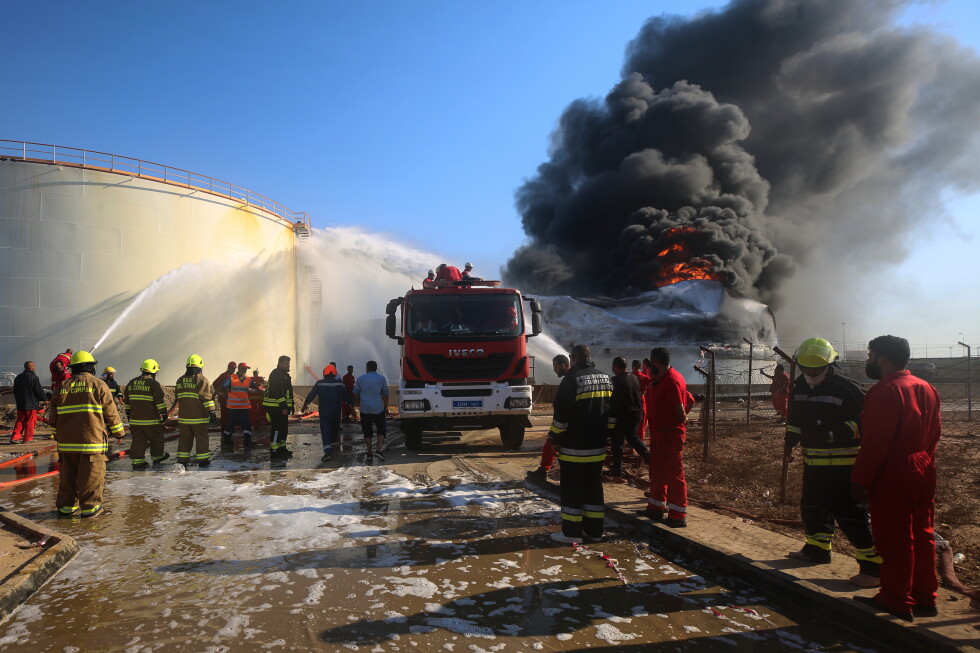
Emergency teams in western Libya extinguished massive fuel storage fires on Tuesday following a wave of explosive-laden drone strikes targeting the strategic coastal town of Zawiya. Meanwhile, a car bomb in Benghazi killed a senior military intelligence officer, compounding security anxieties across the divided North African nation.
Zawiya Oil Complex Hit by Drone Strikes and Fuel Tank Collapse
Firefighters in western Libya spent more than a day battling a ferocious blaze sparked when an explosive-laden drone struck a gasoline-storage tank at the Zawiya oil refinery on Monday. The facility, located about 47 kilometers west of the capital city of Tripoli, houses the country’s largest operating refinery alongside an export terminal and a power plant.
The initial Monday strike ignited a heavy fire that burned through the night and into Tuesday afternoon, according to the Civil Defense first responders agency. Local media broadcasts captured towering flames and dark plumes of smoke billowing from the site. Brega Petroleum Marketing, the fuel supplies company that owns the burning tank, noted that the structure held roughly 4.5 million liters of gasoline when it was hit and subsequently collapsed.
The state-run National Oil Corporation declared a state of maximum emergency at the facility as emergency teams worked through successive strikes. As firefighters tried to contain the initial blaze, a second drone hit near an adjacent key oil tank without causing casualties. Health authorities confirmed that no casualties resulted from the refinery fire.
Power Plant Targeted and Wider Industrial Fallout
The assault extended beyond the petroleum depot early on Tuesday morning when two additional drones targeted the town’s power plant. According to officials from the electricity company cited by Reuters, one drone damaged the facility’s firefighting system, while a second landed near the main fuel storage area and sparked a secondary fire. National oil officials confirmed that emergency crews quickly brought that blaze under control.

While engineers reported that the intense fires caused no structural damage to the refinery itself, the attacks triggered a temporary partial shutdown of operations at the depot. This disruption briefly affected fuel supplies to several western region distribution stations before normal distribution resumed. By late Tuesday evening, the National Oil Corporation announced that all fires across the Zawiya complex had been successfully extinguished.
The strikes mark an escalation in a region dominated by local militias loosely allied with the government of Prime Minister Abdul-Hamid Dbeibah in Tripoli. Tensions have mounted between the western administration and local warlord Mohamed Bahroun, who exerts control over Zawiya.
Jalel Harchaoui, an analyst affiliated with the Royal United Services Institute in London, observed that warlord Mohamed Bahroun has been cornered by government pressure, making his forces prone to desperate measures.
Car Bomb Kills Military Intelligence Director in Benghazi
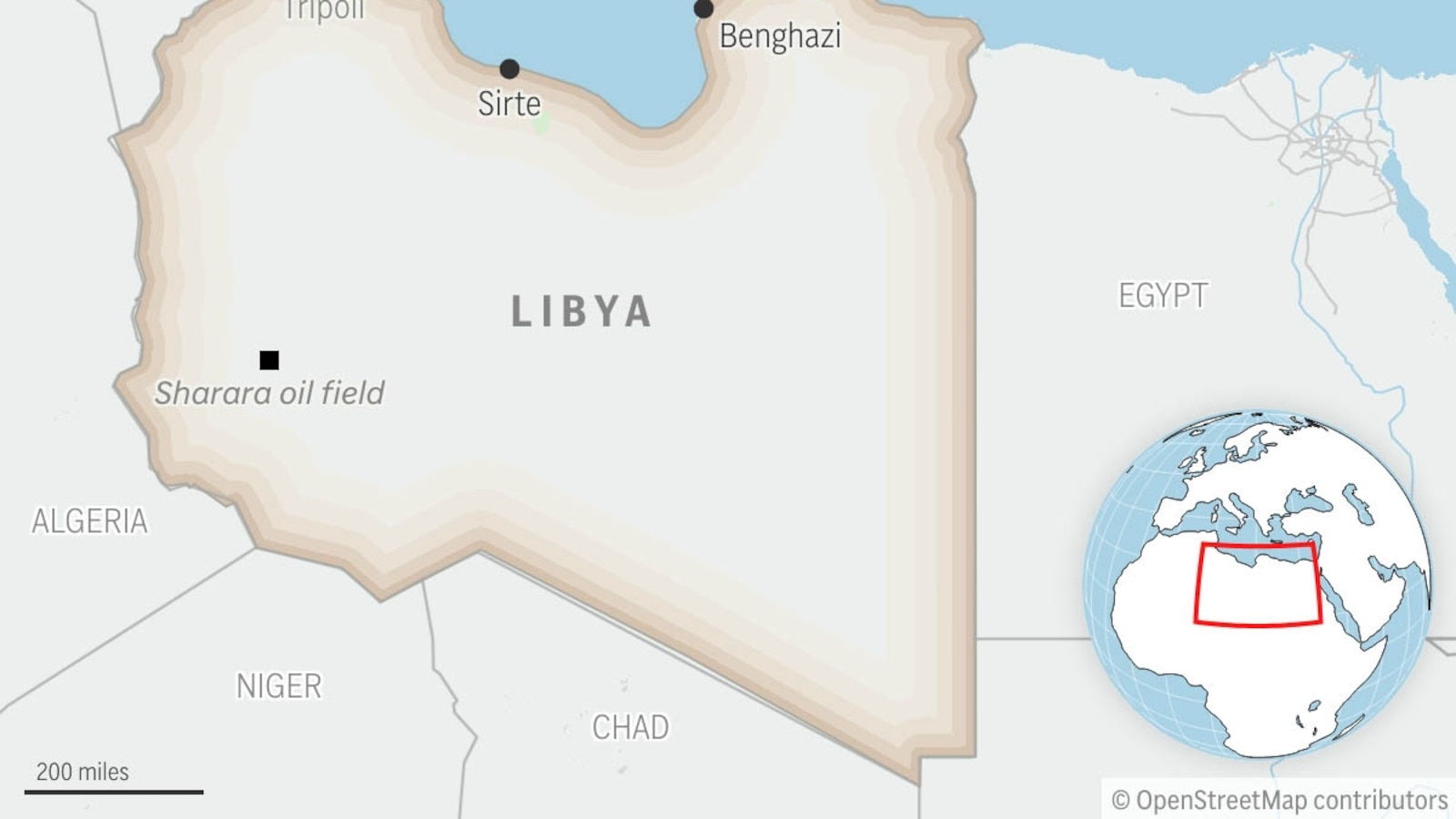
While western authorities managed the petroleum depot fires, violence struck Libya’s eastern territory on Monday evening. A car bomb detonated near a vehicle in the Sayyida Aisha neighborhood of Benghazi, killing a senior military officer aligned with the self-styled Libyan National Army.
The blast killed Maj.
No individual or faction claimed responsibility for either the Zawiya drone attacks or the Benghazi car bombing. The security breaches arrive as Turkish Foreign Minister Hakan Fidan prepares to visit Libya, with diplomatic stops scheduled in both Tripoli and Benghazi.
Implications for Libya’s Energy Sector Ambitions
However, state oil leadership cautioned that continued attacks could force the company to declare force majeure on Zawiya operations.
Worth a look