The government of Iran has conditioned any future reopening of the Strait of Hormuz on a comprehensive regional package, demanding that the United States end its military campaign, lift naval blockades, release frozen financial assets, and secure a ceasefire covering both Lebanon and the Gaza Strip. According to statements published by Iranian officials and reported by international news outlets, Tehran’s posture ties the vital maritime energy corridor directly to broader Middle Eastern conflicts.
The announcement from Tehran comes amid escalating hostilities in the vital waterway, through which roughly a fifth of the world’s traded petroleum and natural gas typically moves. The Strait of Hormuz has served as a primary theatre of economic and military pressure since mid-July, following the collapse of prior diplomatic arrangements and the resumption of direct enforcement actions by Washington in the Persian Gulf and the Gulf of Oman.
Mohsen Rezai, secretary of Iran’s Supreme National Security Council, outlined the administration’s hardline stipulations on social media. “The message of Iran is clear: el estrecho de Ormuz no se reabrirá hasta que Estados Unidos ponga fin a la guerra y al bloqueo, libere los activos iraníes congelados y acepte un alto el fuego en toda la región, incluyendo Líbano y Gaza,” Rezai wrote, according to coverage by Europa Press.
Rezai, a former head of the Iranian Revolutionary Guard, assumed his current security post after being designated by Supreme Leader Mojtaba Khamenei. The wider conflict itself traces its origins to February 28, opening with initial military exchanges that resulted in the death of Ali Khamenei.
Naval Clashes and Maritime Security in the Gulf of Oman
The hardening diplomatic stance follows a series of kinetic naval incidents across the region’s shipping lanes. According to a statement issued by the United States Central Command (CENTCOM), a U.S. Navy MH-60 helicopter fired two Hellfire missiles at the engine room of the Panama-flagged cargo vessel Vela Nova after its 17-member crew allegedly ignored prior warnings while attempting to navigate toward an Iranian port.
Maritime security assessments from the firm Vanguard noted that the ship’s crew remained uninjured during the engagement and successfully extinguished subsequent engine room fires. CENTCOM records indicate that the incident marked the third vessel immobilized since Washington reinstated its naval blockade against Iranian ports on July 14. U.S. military authorities reported diverting 55 vessels and boarding two since that date.
Energy markets have felt the immediate impact of the maritime standoff. United States Secretary of Energy Chris Wright stated on social media that petroleum flows leaving the strait have averaged approximately nine million barrels per day, down significantly from the nearly twenty million barrels that routinely transited the route prior to the closure. Wright credited ongoing naval escorts provided by American forces and regional partners with maintaining that baseline flow.
Broader Regional Strategies and Stalled Diplomatic Channels
Tehran’s insistence on linking the maritime transit route to the conflicts in Lebanon and Gaza represents a distinct strategic shift, moving beyond bilateral disputes with Washington to incorporate multi-front geopolitical leverage. Parallel diplomatic efforts aimed at resolving the core conflict have remained deadlocked for weeks, with talks between Israel and the Lebanese government proceeding without the direct participation or backing of Hezbollah.
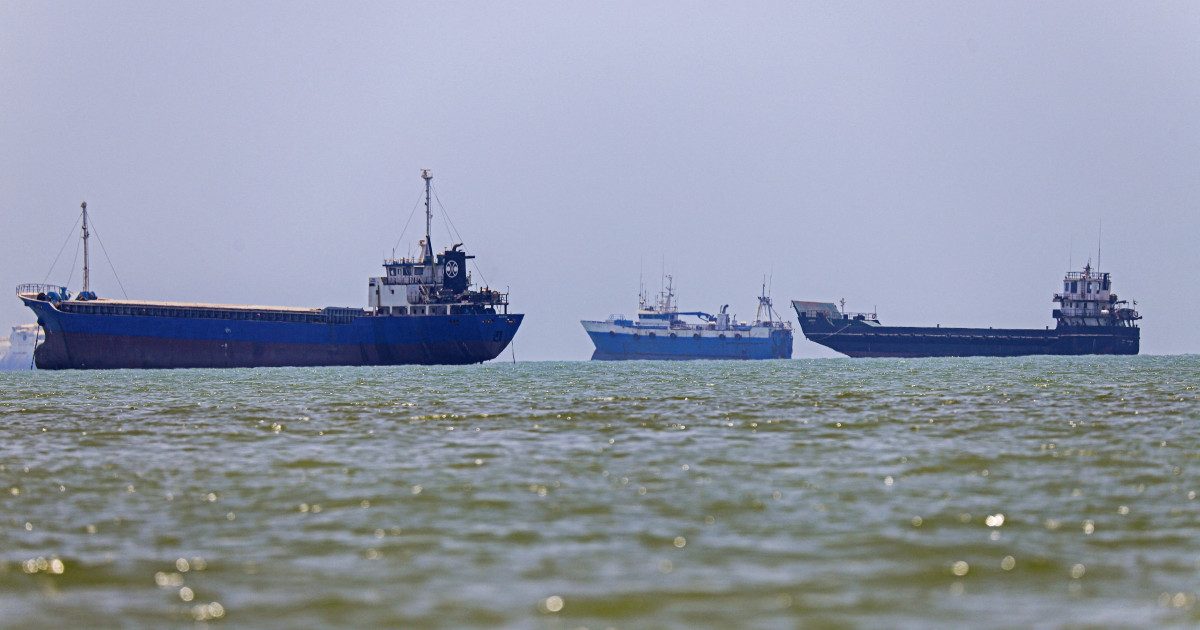
In mid-July reporting detailed by El Debate, the Islamic Revolutionary Guard Corps emphasized that the waterway’s closure serves as a direct response to American military actions and naval restrictions. Concurrently, reports from Radio France Internationale (RFI) noted that Iranian military spokespersons have characterized the strategic strait as an active theater of operations rather than a routine commercial transit corridor.
The integration of Palestinian and Lebanese fronts into Tehran’s bargaining framework adds significant complexity to international mediation efforts. With diplomatic channels stalled and military enforcement operations continuing across the Persian Gulf, the timeline for any comprehensive resolution to the closure of the Strait of Hormuz remains uncertain.
- 22 Korean Content Startups Secure 10 MOUs and 515 Consultations at US Expansion Events
- Drone Strikes Hit Zawiya Oil Refinery and Car Bomb Kills Officer in Benghazi
- US and Iran Nearing Hormuz Understandings Amid Regional Tensions (newsdirectory3.com)
- How Oman Became the Broker Behind the Latest Hormuz Deal (daybreakwire.com)