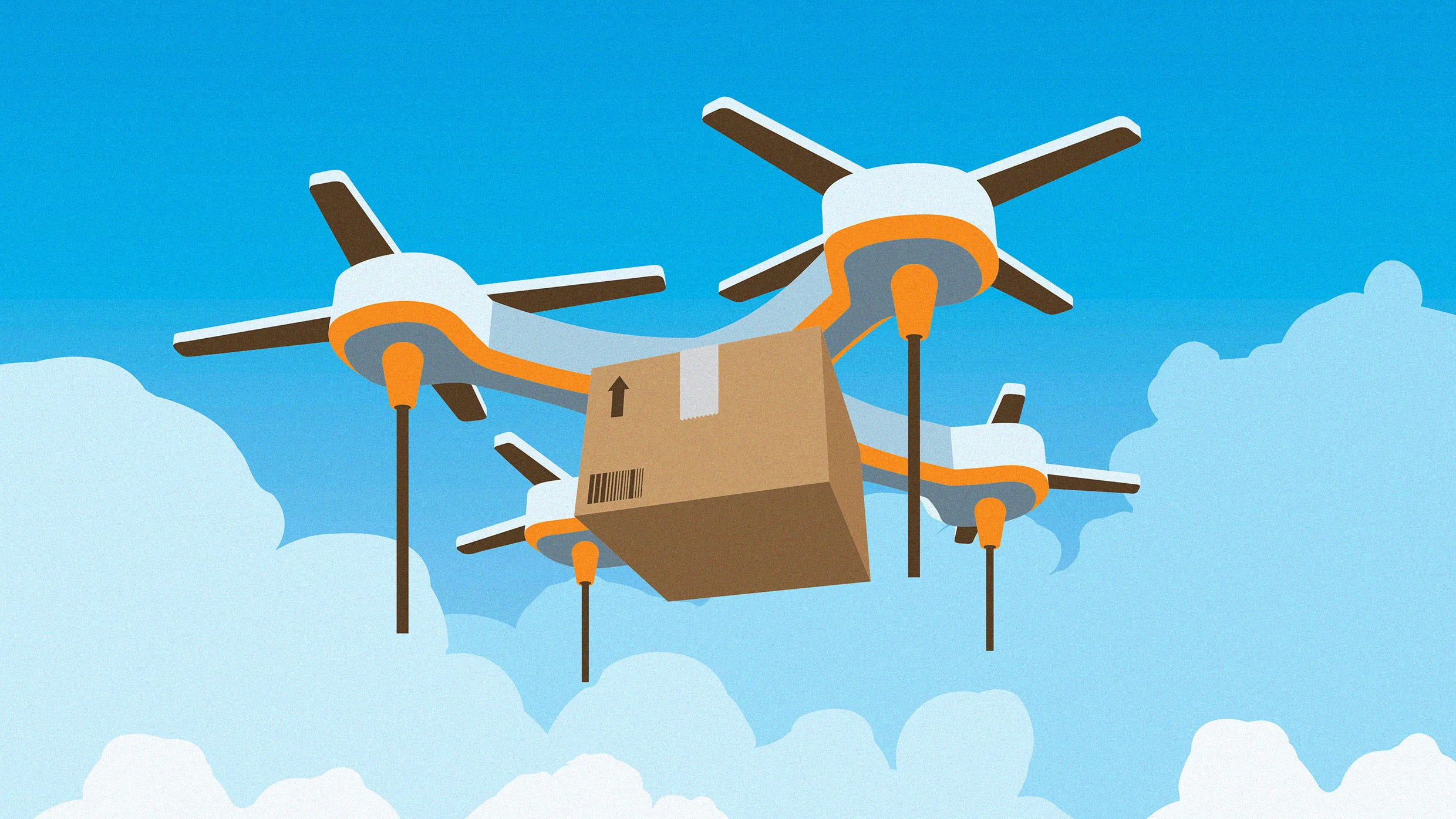
The Federal Aviation Administration (FAA) is currently finalizing new regulations that would permit drones to operate beyond the visual line of sight (BVLOS) of their pilots, a move expected to significantly expand the commercial utility of unmanned aircraft systems (UAS). By moving toward a standardized framework, often referred to as Part 108, the agency aims to facilitate autonomous operations for larger drones, which are currently restricted by visual line-of-sight requirements under existing Part 107 rules.
According to the Federal Aviation Administration, the integration of these systems into the National Airspace System is a priority for enabling routine, complex operations such as long-range infrastructure inspection and automated package delivery. While current regulations generally limit drone operations to daylight hours and within a pilot’s direct view, the proposed regulatory shifts reflect a global trend toward normalizing autonomous flight. As of early 2026, there were over 800,000 registered drones in the United States, most of which operate in uncontrolled airspace under strict altitude and weight limitations, as noted by the FAA’s drone registration data.
Expanding the Scope of Autonomous Drone Operations
Beyond visual line of sight operations would fundamentally alter how industries utilize unmanned aircraft. Currently, commercial drone operators must maintain a direct view of their craft, which limits their reach to a few miles. Removing this constraint allows for persistent, long-distance monitoring tasks that were previously manual or expensive to perform via crewed aircraft. Applications include monitoring power lines, surveying railroad tracks, and managing precision agriculture across large-scale farm operations.
For these operations to be viable, drones must move toward fully autonomous navigation. This involves more than just software; it requires a sophisticated integration of command-and-control technologies. Projects such as the NASA UAS Integration in the National Airspace System are currently investigating how autonomous drones can safely navigate the same air corridors used by commercial and private crewed aircraft. The goal is to ensure that drones can detect and avoid other aircraft, a capability that is currently mandated for all pilots under existing flight safety protocols.
Regulatory Frameworks and the Path to Part 108
The transition from the current Part 107 rules to a more flexible framework is a complex regulatory challenge. Part 107, which governs the operation of drones weighing less than 55 pounds, has served as the baseline for commercial drone activity. However, it does not adequately address the safety requirements for larger, heavier, or fully autonomous craft. The FAA is currently working to finalize Part 108, which is specifically designed to establish airworthiness standards and operational procedures for these advanced drone missions.

While the FAA has historically granted individual waivers and exemptions for specific companies to fly beyond their line of sight, these are temporary and limited in scope. A formal, standardized rule would provide the legal certainty businesses need to invest in long-term infrastructure. According to the Department of Transportation, the agency is focusing on creating a scalable approval process that balances industry innovation with the safety of the national airspace. This includes addressing concerns regarding privacy, nuisance, and the potential for malicious use of autonomous systems.
Integrating Drones into Controlled Airspace
Integrating autonomous drones into the National Airspace System requires overcoming significant technical and security hurdles. In controlled airspace—the areas surrounding airports and major urban centers—air traffic controllers already manage complex traffic patterns. Drones must be able to communicate with these systems and respond to air traffic control instructions in real time. This is a significant jump from current operations, where most recreational and small commercial drones operate in uncontrolled, rural airspace.
Security remains a primary concern for regulators. The ability of drones to carry payloads or operate autonomously raises risks regarding the protection of critical infrastructure, such as power grids and nuclear facilities. The Cybersecurity and Infrastructure Security Agency emphasizes that as drone usage increases, so does the need for robust detection and mitigation strategies, including the ability to disable or capture rogue drones that threaten public safety or sensitive sites. These security protocols will likely be a core component of any final Part 108 implementation.
Global Regulatory Trends
The United States is not alone in its efforts to integrate drones into routine airspace. Other nations and regions have already moved forward with expanded autonomous drone rules. The European Union, for instance, has implemented a tiered regulatory system that allows for more complex operations based on the level of risk associated with the flight. Similarly, Japan and China have established frameworks to encourage the use of drones in logistics and agricultural monitoring.

These international developments have put pressure on U.S. regulators to modernize. The economic potential of the drone industry—ranging from organ transport to emergency search and rescue—is a significant driver for these legislative updates. As the FAA moves toward finalizing its new rules, stakeholders in the aviation and technology sectors are preparing for a shift that could see a substantial increase in the density of unmanned traffic in the coming years. The agency is expected to continue its stakeholder engagement process, with further updates likely to be posted on the Federal Register as new policies are drafted and finalized.
Readers interested in the latest developments regarding drone policy can monitor the FAA’s official Unmanned Aircraft Systems portal for upcoming public comment periods and regulatory filings. We welcome your thoughts on the future of autonomous transit in the comments section below.