
Artis Royal Zoo in Amsterdam offers a unique perspective for visitors who take the time to observe its intricate details, a philosophy championed by Dutch entrepreneur and “pickle king” Oos Kesbeke. Known for his craftsmanship in the food industry, Kesbeke highlights that the park’s appeal lies in its layers, where patience reveals a complex ecosystem of history, architecture, and biodiversity that often goes unnoticed by the casual observer.
As an observer of both fine food production and urban heritage, Kesbeke emphasizes that appreciation for a space like Artis requires a shift in focus. By moving beyond the primary exhibits, visitors can discover the historical significance of the oldest zoo in the Netherlands, which was founded in 1838. According to the official history provided by Natura Artis Magistra, the institution was established with the goal of promoting nature and culture, a mission that remains central to its operations today.
The Art of Observation in a Living Museum
For Oos Kesbeke, the experience of walking through Artis is analogous to the patience required in his own professional life. The Kesbeke family business, which has been operational for over 75 years, relies on traditional methods and a keen eye for quality, a trait he applies when navigating the zoo’s grounds. He notes that the park functions as a “living museum,” where the architecture—ranging from 19th-century buildings to modern, sustainable enclosures—tells a story of changing attitudes toward animal welfare and environmental conservation.
The zoo covers approximately 14 hectares in the heart of Amsterdam and houses over 700 species of animals, according to city records and official tourism data. Kesbeke’s perspective suggests that the “more you look, the more you discover” approach allows visitors to appreciate the integration of botanical gardens, an aquarium, and a planetarium within a single site. This density of information serves as a reminder of the historical importance of the site, which has been a fixture of the Plantage neighborhood for nearly two centuries.
Why Detail Matters in Urban Conservation
The significance of Artis extends beyond its role as a recreational space; it serves as a critical site for scientific research and education. The institution is a member of the European Association of Zoos and Aquaria (EAZA), which mandates rigorous standards for animal care and breeding programs. By looking closely at the efforts of the staff, as Kesbeke suggests, visitors can gain insight into the complex logistics required to maintain a facility that balances public engagement with the needs of endangered species.
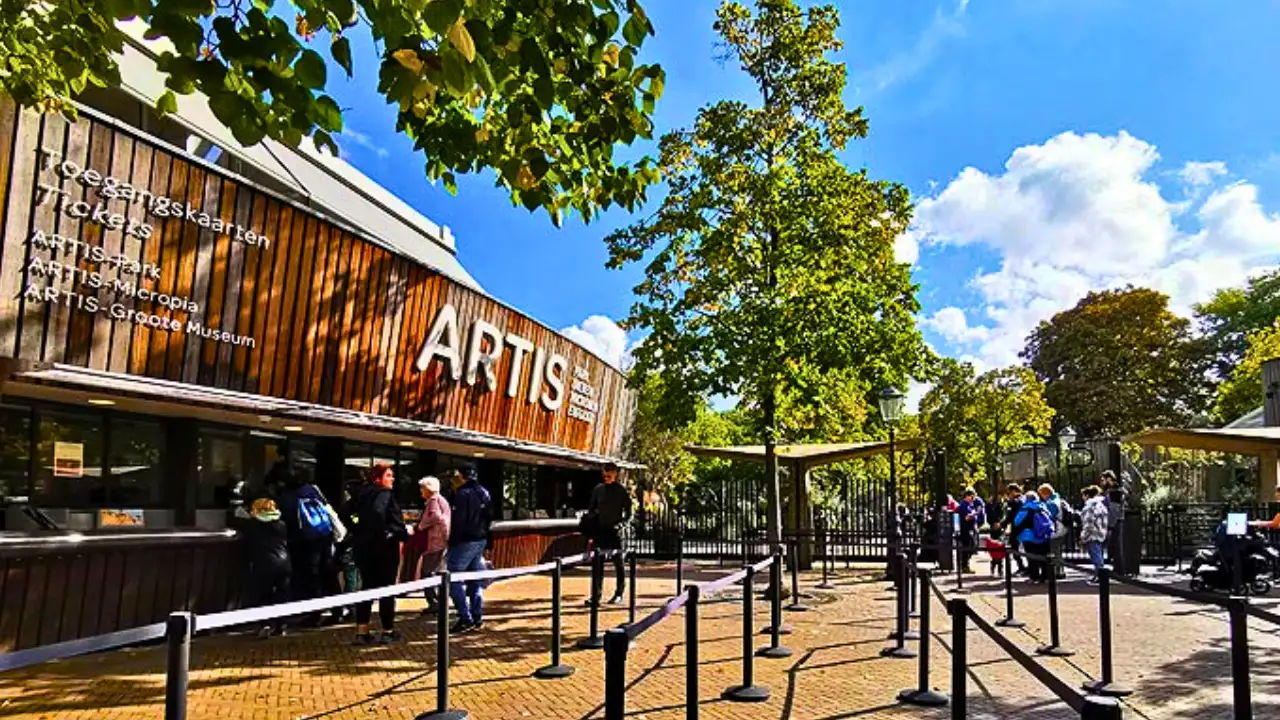
In recent years, the zoo has faced the challenge of modernizing its facilities while preserving its heritage. The management of the park has focused on “Artis-Micropia,” the world’s first museum dedicated to microbes, to broaden the public’s understanding of life on a microscopic scale. This addition aligns with the idea that there is always more to discover if one is willing to look past the obvious, a sentiment that resonates with those who advocate for a deeper connection between humans and the natural world.
Connecting Through Shared Heritage
The connection between a local business figure like Kesbeke and a public institution like Artis highlights the role of heritage in Amsterdam’s cultural identity. As a family-run enterprise, Kesbeke’s firm represents the continuity of craftsmanship, much like the park represents the continuity of natural history in an urban environment. Both entities rely on the support of the community to survive and thrive in an increasingly digital and fast-paced world.
Visitors seeking to experience Artis through a more observant lens are encouraged to consult the official visitor guidelines, which provide information on current exhibitions, conservation initiatives, and educational programming. Understanding the history of the site—including its transformation from a private society to a public-facing institution—adds a layer of depth to every visit.
Looking Ahead
Artis continues to evolve, with ongoing projects aimed at improving animal habitats and expanding its botanical collections. The institution regularly updates its schedule, and those interested in supporting its mission can find information regarding memberships and upcoming events on its official portal. The next major update regarding the park’s expansion plans is expected during the upcoming annual general meeting of the Natura Artis Magistra foundation, which traditionally reports on both financial health and conservation milestones.

What has been your most surprising discovery when visiting a heritage site or zoo? Share your thoughts and observations in the comments section below to join the ongoing conversation about preserving our shared history.
Keep reading