
Diplomatic efforts to resolve the long-standing tensions between the United States and Iran remain in a state of flux as both nations maintain diverging positions on a potential agreement. While reports of a memorandum regarding the cessation of hostilities have circulated, official confirmation of a final, signed accord remains elusive, with Iranian state media indicating that a definitive decision has not yet been reached. The situation is characterized by a significant gap in expectations between Washington’s public optimism and Tehran’s internal political and diplomatic caution.
The core of the current diplomatic friction centers on the status of a proposed framework intended to de-escalate military tensions. According to reports from the Reuters news agency, discussions have frequently focused on the security of international shipping lanes and the broader regional military posture. However, the lack of a unified public statement from both capitals underscores the fragile nature of these negotiations, which are complicated by domestic pressure within Iran and the complex geopolitical landscape of the Middle East.
Status of Negotiations and Diplomatic Hurdles
The ambiguity surrounding the potential agreement is highlighted by the conflicting narratives emanating from U.S. and Iranian officials. While there have been reports suggesting that a memorandum of understanding could be finalized, the process is far from linear. Iranian diplomatic sources have suggested that any final resolution is contingent upon specific concessions that have yet to be fully codified in a binding document. This lack of a finalized text has led to widespread speculation regarding the actual progress of the talks.
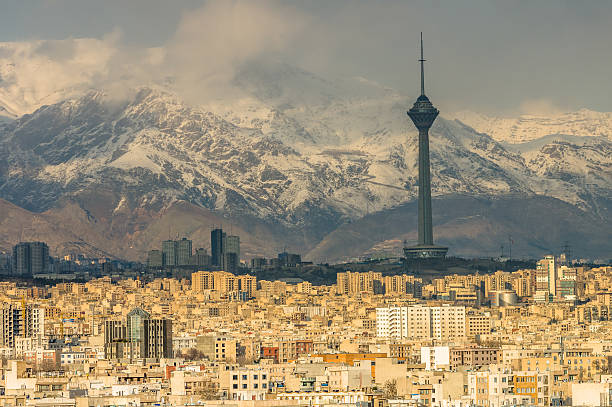
The complexity of the negotiations is further compounded by the internal political climate in Tehran. Recent reports indicate that the government in Iran faces mounting pressure from domestic factions skeptical of any deal with the United States. According to Associated Press coverage of regional instability, protests have occurred in various parts of Iran, with some demonstrators calling for the resignation of key diplomatic figures involved in the talks. These domestic challenges limit the maneuvering room for Iranian negotiators, who must balance international demands with the requirements of their internal political base.
Geopolitical Implications for Regional Security
A primary point of contention in these discussions involves the security of the Strait of Hormuz and the broader Persian Gulf. The United States has consistently prioritized the freedom of navigation and the immediate cessation of what it characterizes as destabilizing activities in the region. Diplomatic sources have suggested that a potential agreement would include provisions for the immediate opening of maritime routes, yet the mechanisms for enforcement and verification remain under debate.

The U.S. Department of State has historically emphasized that any agreement must be comprehensive and verifiable to be considered effective. The reliance on digital or “online” documentation—a method that has been discussed as a possible path forward for formalizing agreements in a high-tension environment—reflects an attempt to bypass traditional diplomatic obstacles. However, such methods are often met with skepticism by international observers who question whether digital signatures can substitute for the robust, long-term commitments required in traditional international treaties.
Understanding the Communication Gap
The discrepancy in how these negotiations are perceived is a defining feature of the current U.S.-Iran dynamic. For the United States, the focus remains on achieving a clear, time-bound exit from active military posturing. For Iran, the focus is increasingly on the economic and political sustainability of any deal. This fundamental difference in objectives means that even if a “memorandum” is produced, the interpretation of its terms will likely continue to differ between the two parties.
As of the most recent updates, no official signing ceremony or joint press conference has been scheduled to confirm a comprehensive resolution. Observers are now looking toward the next round of ministerial-level discussions to see if the current gaps in understanding can be bridged. Until a formal, public-facing document is verified by both the U.S. State Department and the Iranian Ministry of Foreign Affairs, the status of these negotiations remains speculative.
We will continue to monitor official statements from both the White House and the Iranian government regarding these ongoing developments. Readers are encouraged to share their insights in the comments section below or join the discussion on our social media channels as we track the next steps in this evolving geopolitical situation.
Related reading